

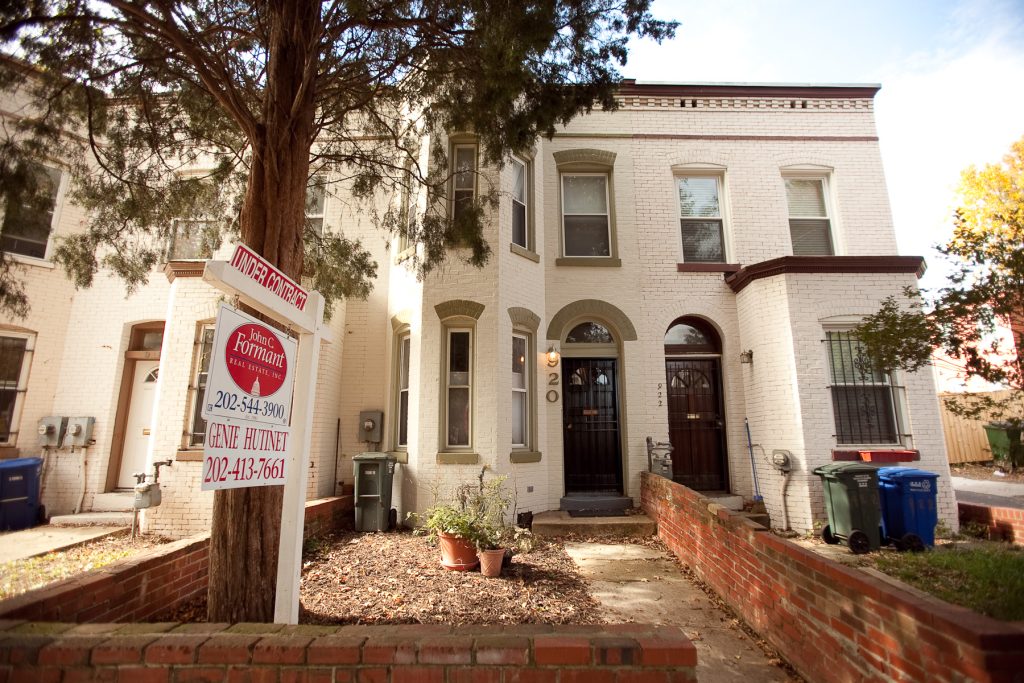
The District of Columbia needs more housing. Since 2000, 338,000 people have left the District because of high housing costs, outbid in the pursuit of scarce apartments and houses by incoming residents. Problem is, the congestion already clogging regional roads makes permitting new car-dependent infill development politically and logistically challenging. The only feasible major growth in the city can occur near new Metro lines or existing ones with spare peak capacity. The best way for the city to accomplish this is by auctioning off development rights along existing and proposed transit corridors to pay for capital improvements to the Washington Metropolitan Area Transit Authority, thereby improving public transit and legalizing development along it.
If you take a stroll through Washington’s NoMA (North of Massachusetts Avenue) district, you’ll have a sense of the value-creating power of prudent transit investment in high-rent, congested metropolitan areas with headroom for denser development. The neighborhood has grown out of a new Metro station on the Red Line, combined with an “upzoning” allowing the creation of taller buildings.
Stay informed.Stay ahead.
Join Washington Examiner for unlimited access to the news, analysis, and commentary that matter most.
Already a member? Log in
