

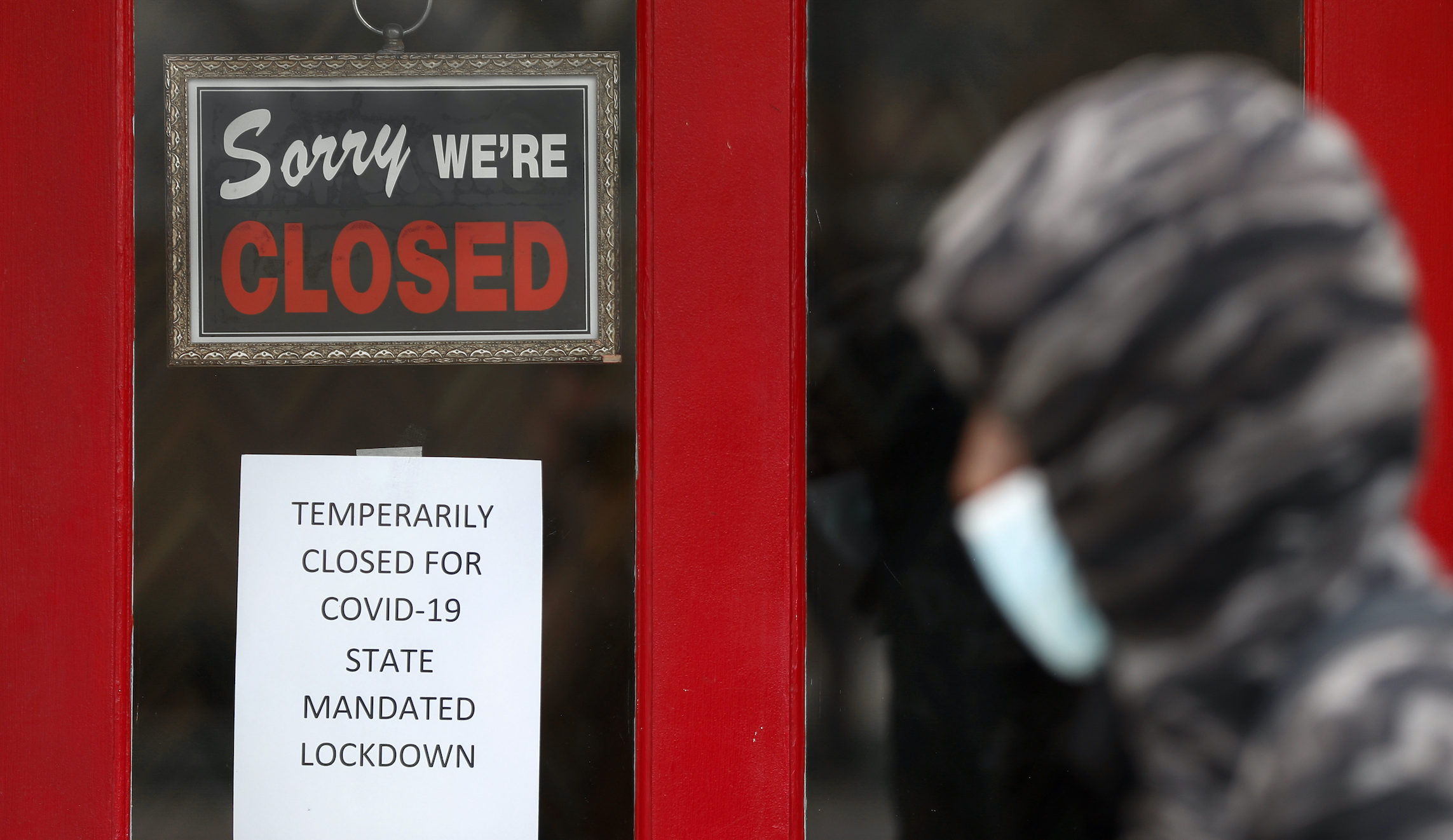
In just two months, our national shutdown to prevent the coronavirus pandemic from overwhelming our medical system has catapulted our unemployment rate from 3.5% to 14.7% — from the lowest to the highest levels ever recorded since the Bureau of Labor Statistics began surveying the figure monthly in 1948.
The BLS, which uses data from the middle of the month, conservatively counted 20.5 million jobs lost in April. By its own admission, because it did not include the unusual number of workers who were absent from work due to “other reasons” in the unemployment rate, that figure really could be some 5 percentage points higher.
Recommended Stories



Predictably, the leisure and hospitality industry lost more jobs than any other sector: The shutdown erased half of its jobs. With the coronavirus and localities necessitating that all medical resources be redirected to handling the pandemic, postponing elective medical procedures and any other routine medical visits, the healthcare industry lost more than 1 million jobs. Retail lost 2.1 million jobs, the professional class another 2.1 million, and manufacturing another 1.3 million.
In other words, this isn’t a recession. It’s a massacre of livelihoods — one designed, executed, and celebrated by every level of the government.
The coronavirus conundrum offered no easy answers. Letting the virus run its course could have led to a similar level of economic devastation through millions of deaths and a complete breakdown of our healthcare system. But the April jobs report just goes to expose the false binary choice that the commentariat presents when criticizing those who are now protesting shutdowns.
Consider that 1 in 5 people need a job to make rent and feed a family. At some point, this shutdown posits not just the problem of jobs lost permanently and people stuck on welfare indefinitely but also bloodshed of its own. When unemployment peaked to 10% during the 2008 recession, deaths from suicides and drug overdoses skyrocketed. Well Being Trust predicts that some 75,000 people are currently at risk of the same, and that’s not to mention deaths from domestic violence, cancer cases missed thanks to the medical shutdown, and every other person who survives worsening anxiety and depression.
Consumer demand will bring some jobs back into existence, and it’s possible that minor steps to reopen various local economies will save smaller businesses and those with thinner profit margins from shutting down for good. But the time to prevent that must be now, or this recession will turn into a devastating, long-lasting depression.
