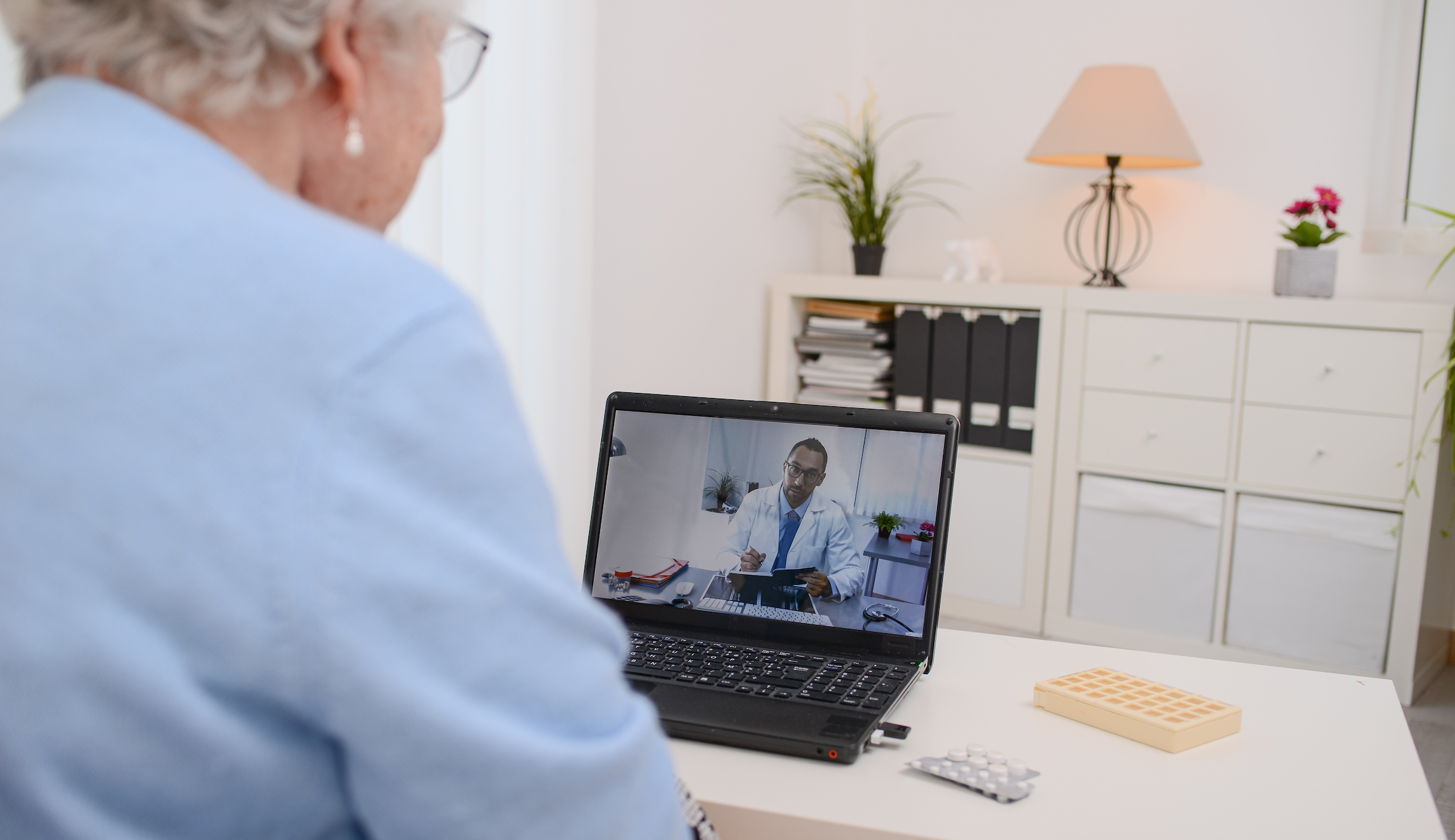
With 17 million people in the United States newly out of a job, and many of them likely uninsured as a result, now is the time to embrace telemedicine.
Not only could virtual doctor visits help save lives and reduce healthcare costs, but in the age of social distancing, no one should be forced to sit in a crowded waiting room for a medical appointment.
Recommended Stories
Amid the coronavirus pandemic, government officials, doctors, hospitals, and insurance companies have all directed patients to stay home and use technology to receive nonemergency healthcare services. Congress will even help pay for it. The recently passed $2.2 trillion stimulus bill includes a $200 million investment in telemedicine.
This investment is intended to boost Skype-style health checkups by investing in services and devices that help healthcare providers connect remotely with patients. But consumers don’t seem to be sold on it just yet: A new survey found that 65% of people don’t feel that telemedicine visits are as good as “in-person” doctor office visits. Yet, only 9% of respondents have even tried it during the coronavirus crisis. Perhaps a fear of leaving our healthcare comfort zones, and not actual experience, is coloring our opinion of telemedicine.
But as someone who has now taken the leap to telemedicine, I can attest to how simple and efficient it truly is.
With telemedicine, you meet the doctor over the phone or video chat, instead of in-person at the office. But it’s just like an in-office visit: You discuss your symptoms and medical history with the doctor, who provides you with a diagnosis and sends any prescriptions to the pharmacy of your choice.
As a mother, telemedicine has been extremely helpful for my family. When my daughter was two years old, we picked her up from daycare and saw that she clearly had pink eye. Instead of spending hours waiting at the urgent care clinic or hoping for an early appointment at the pediatrician’s office, we finally called our telemedicine provider. After speaking to the doctor over the phone, we picked up her prescription. The whole process took less than 30 minutes.
Last week, my friend’s 12-month-old son had symptoms of an ear infection. She lives in New York City, so she was particularly afraid to risk their exposure to the coronavirus by going to the doctor’s office. Instead, she stayed in the comfort and safety of her home for a telemedicine appointment. Soon after, the doctor sent the order for antibiotics to the pharmacy.
Mental health and physical therapy sessions can also take place over Skype or FaceTime. In many states, doctors can order lab work in addition to prescribing medications. Telemedicine’s capabilities are increasing rapidly, and the timing couldn’t be more perfect.
President Trump recently announced that Medicare rules would be relaxed during the coronavirus pandemic, allowing people who use Medicare to receive treatment over the phone. And the Food and Drug Administration just temporarily approved phone apps that monitor things such as blood pressure and heart rate to be used with telemedicine.
Telemedicine can also identify when it’s appropriate to go to the hospital. A gentleman recently messaged me saying that during a telemedicine appointment, his doctor asked him to put the phone up to his chest and breathe. The doctor thought he had pneumonia and advised him to go to the emergency room immediately. His doctor was right: He did have pneumonia. He was soon treated, and now he is healthy thanks to his having used telemedicine in the first place.
This efficiency of telemedicine has the added bonus of being more affordable than in-person doctor visits. If we were all to use telemedicine for routine, nonemergency health matters, we could dramatically decrease the cost of healthcare. We could also streamline the process of providing referrals to specialists or orders for labs and refilled prescriptions.
More than 50% of people were familiar with telemedicine before the coronavirus, but only roughly 1 in 4 people had actually tried it. Now, 64% of survey respondents say they intend to use telemedicine during the pandemic. Let’s hope they follow through.
Telemedicine can help us “flatten the curve” by keeping patients out of doctors’ offices, reducing exposure to others who may be infected while still maintaining routine medical needs. Keep yourself and your family safe during this crisis: Try telemedicine. You just might like it.
Jan Dubauskas is vice president and senior counsel of HealthInsurance.com.
