

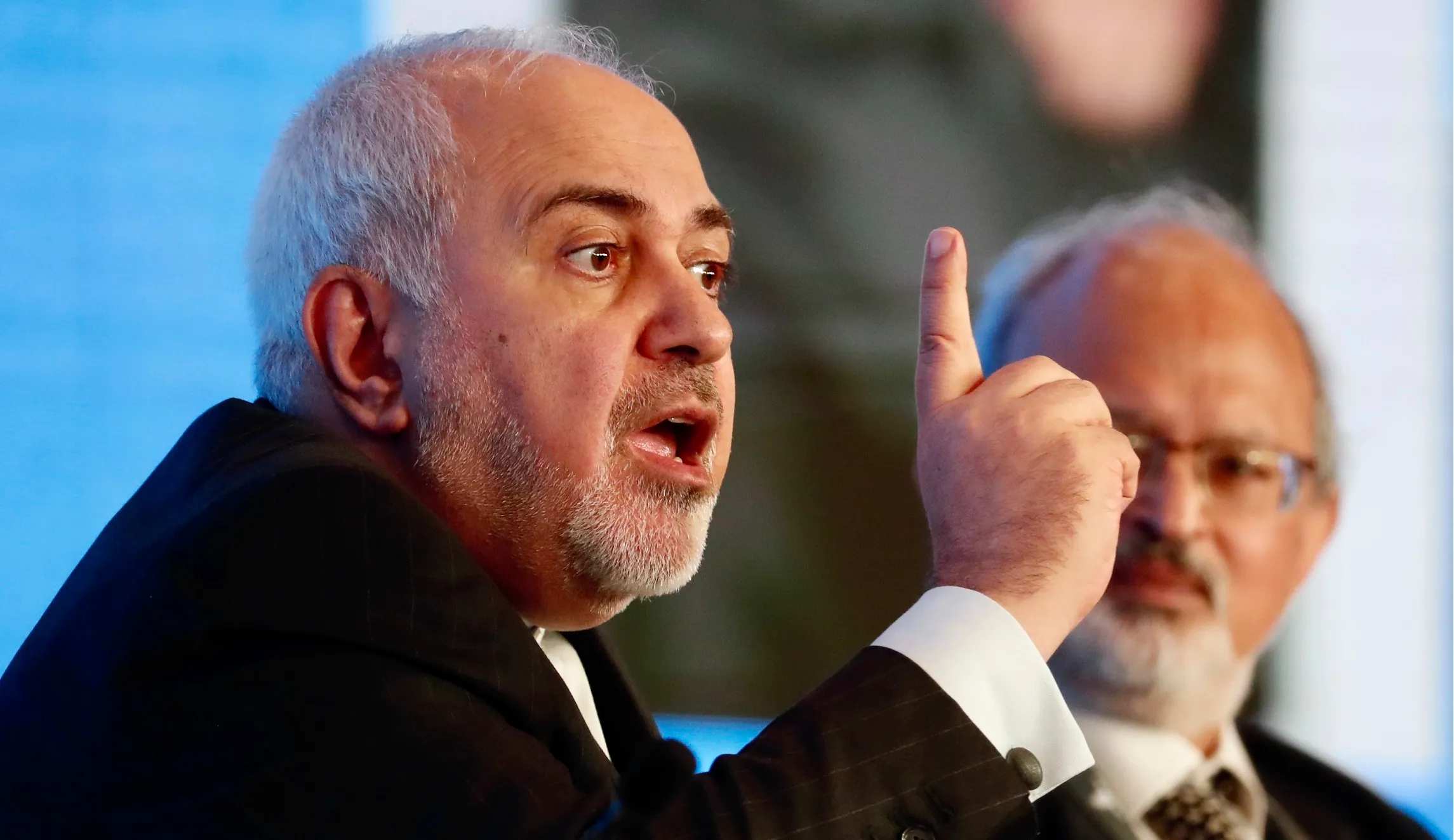
Iranian Foreign Minister Mohammad Javad Zarif has declared that any European attempt to hold Iran to account for stepping back from its nuclear commitments could lead Iran to far more broadly step back from the Nuclear Non-Proliferation Treaty. Zarif may seek to scare Europe into concessions, but his reading of precedent and Iran’s ability to simply walk away is severely flawed: While Iran can walk away from the NPT and the International Atomic Energy Agency, it cannot wipe blank the slate of outstanding concerns. It is an issue I dealt with at length in Dancing with the Devil, a history of U.S. diplomacy with rogue regimes like Iran’s and North Korea’s.
In September 2005, the IAEA referred the Islamic Republic of Iran to the United Nations for persistent violations of its NPT Safeguards Agreement. Whereas the flawed intelligence prior to the 2003 Iraq War was based on secret sources and was in error essentially because Saddam Hussein bluffed with the result that signal intercepts and defector debriefings both affirmed the other, the intelligence the IAEA used to find Iran in violation was unclassified, the result of transparent inspections. The 2011 IAEA report annex outlining the “Possible Military Dimensions” of Iran’s nuclear program—activities with no civilian purpose left unexplained by Iran—was particularly damning.
Stay informed.Stay ahead.
Join Washington Examiner for unlimited access to the news, analysis, and commentary that matter most.
Already a member? Log in
