

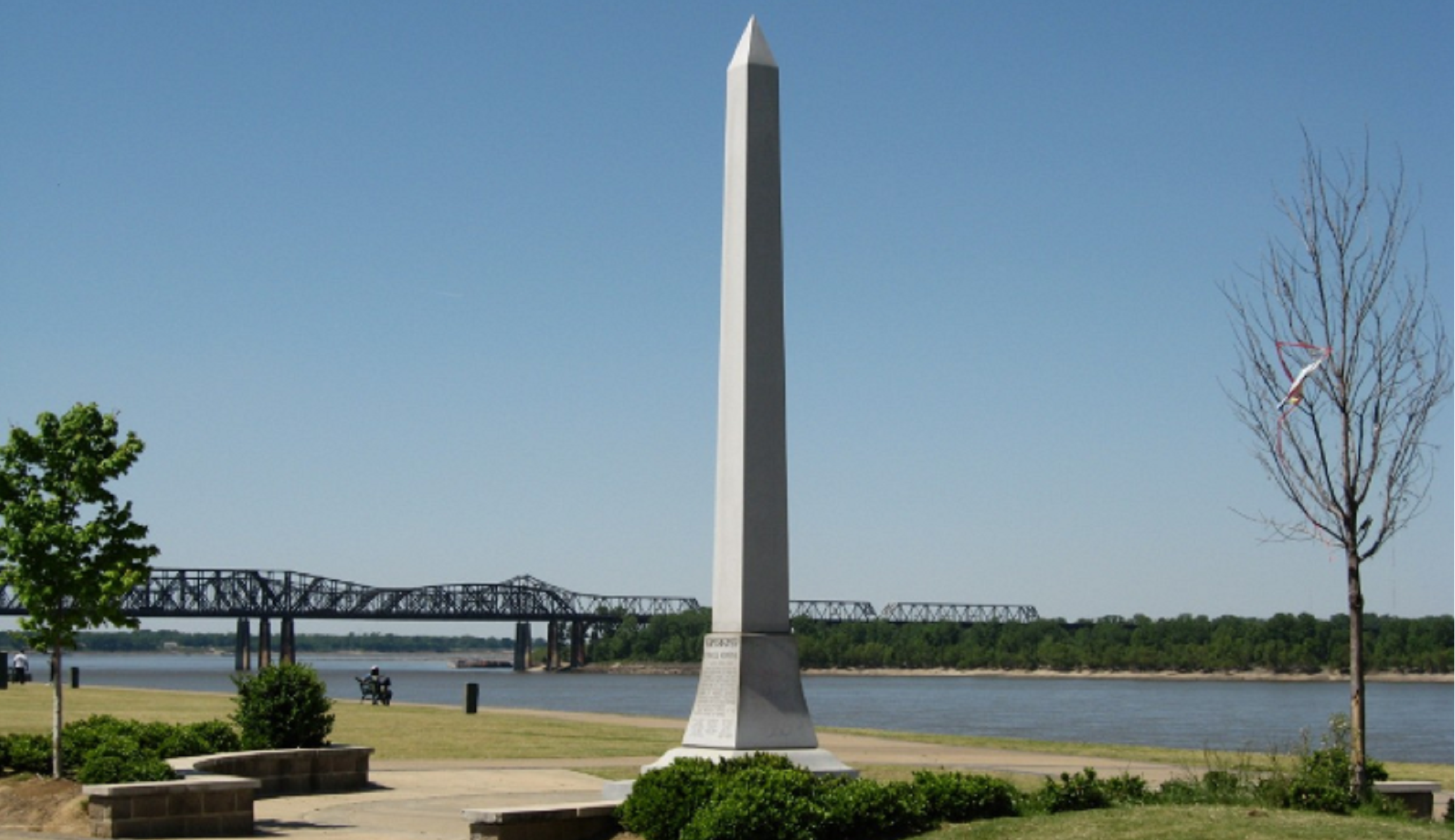
This is a story of two monuments — one of a sort you’d expect to see toppled today, the other never built.
The first was on the banks of the Mississippi, in the Deep South. I first encountered it in 1971, when one could still see the signs of Jim Crow, extant in the public square. Waiting rooms and water fountains were still marked as “colored” in some bus stations. My future wife and I were on what V.S. Naipaul would later call a “turn in the South,” when, on a walk along the banks of the Mississippi in Memphis, we spotted the obelisk and its plaque. “To Tom Lee: A Very Worthy Negro,” it read. It was, the inscription told us, a tribute to a black Memphis levee worker who had used a wooden motorboat to save 30 people from drowning when the river steamer M.E. Norman overturned.
Stay informed.Stay ahead.
Join Washington Examiner for unlimited access to the news, analysis, and commentary that matter most.
Already a member? Log in
