

President Trump defied all expectations when he announced in March that he would meet with North Korean strongman Kim Jong Un to negotiate the denuclearization of the Korean Peninsula. For the first time ever, a U.S. president would sit with a North Korean dictator to negotiate peaceful disarmament. And the president has played his cards well, using a combination of sweeteners and threats in the lead-up to the summit to ensure he gets the best deal available.
In advance of the summit between the two leaders, Kim attempted to position himself as a cooperating negotiating partner, meeting with then-CIA chief Mike Pompeo, suspending nuclear and long-range missile tests, and ordering the release of three Americans who had been imprisoned. But despite these shows of goodwill, the North Korean regime was still holding back on the one issue that mattered most: denuclearization.
Recommended Stories


The Trump administration made clear from the very beginning that it would settle for nothing less than total disarmament of North Korea’s nuclear weapons, missiles, and nuclear test facilities. With the United States offering an easing of economic sanctions, a softening of military pressure, and a guarantee of Kim’s physical safety, Trump showed the North good faith.
But as the date for the meeting drew closer, North Korea stopped being a good faith negotiating partner. Instead, North Korean officials snubbed a White House advance team last week in Singapore, even as a senior member of the North Korea leadership labeled Vice President Mike Pence a “political dummy” and boasted of a “nuclear-to-nuclear showdown” between the two nations.
President Trump’s business background and understanding of “The Art of The Deal” prepared him to work with unreliable partners. He knows when to give and get concessions, and when to walk away. So last Thursday he sent a letter to Kim declaring the June 12 summit canceled.
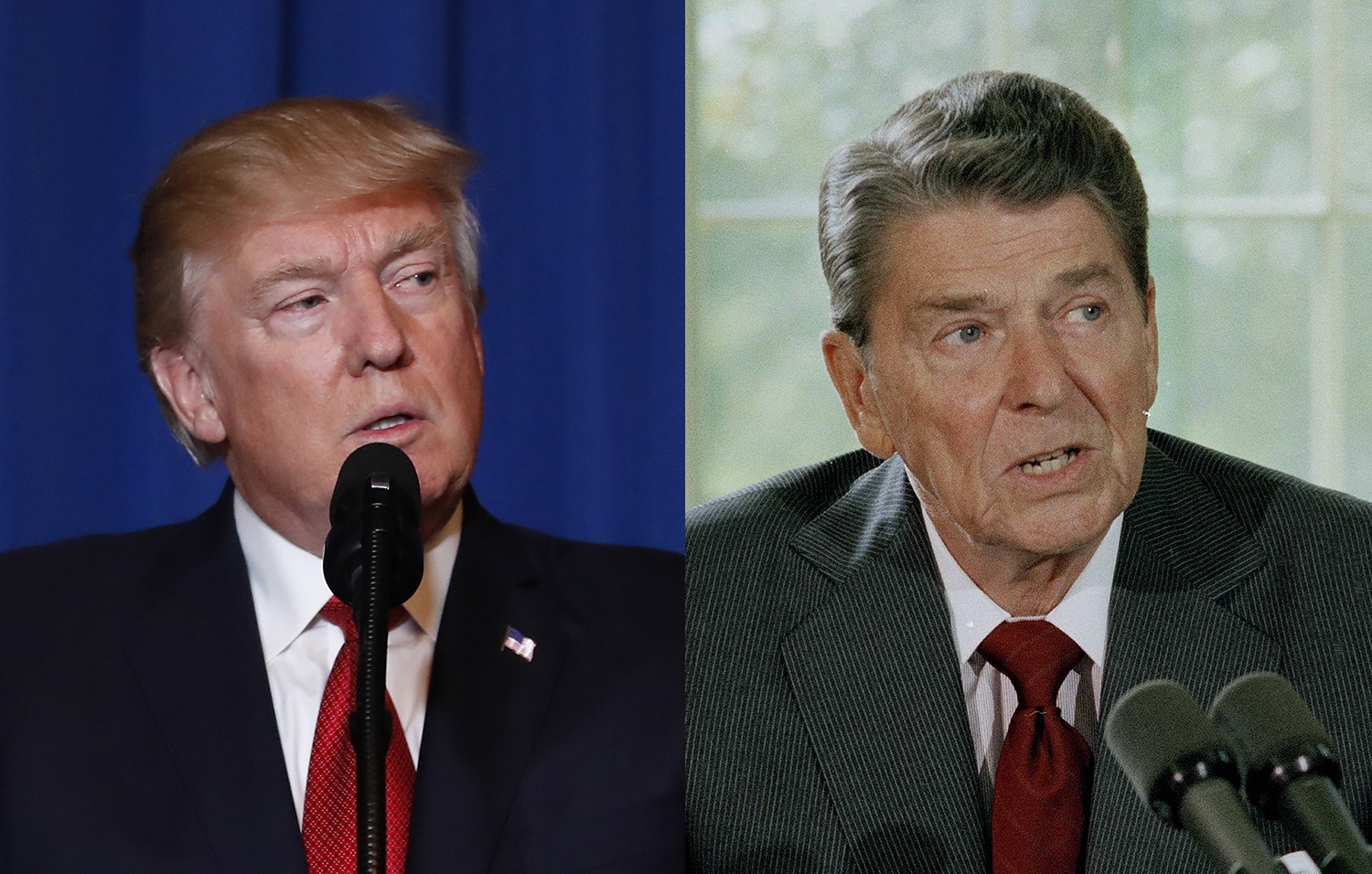
Trump is not the first president to walk away from the table when faced with a recalcitrant negotiating partner: At the October 1986 Reykjavik summit between President Ronald Reagan and Soviet leader Mikhail Gorbachev, Reagan walked away from the table over Gorbachev’s demand that the United States restrict its research into Reagan’s beloved Strategic Defense Initiative. By refusing to yield to Gorbachev’s demand, Reagan set himself up for a successful negotiation a year later, when he and Gorbachev agreed to the Intermediate Range Nuclear Forces Treaty – the first time ever that an entire class of nuclear weapons had been eliminated by treaty. And just a few years later, the Soviet Union itself dissolved, ending the Cold War just the way Reagan had envisioned – we won, they lost.
Was Trump’s Thursday letter meant to declare an end to international efforts to denuclearize the Korean Peninsula? Of course not. Since sending Thursday’s letter, Trump has remained optimistic that there will be denuclearization of the Korean Peninsula, and determined that it will be on the United States’ terms. A White House advance team works in Singapore, and U.S. and North Korean diplomats continue to meet in hopes that the June 12 summit can take place as originally scheduled – or, if not, at some point in the near future.
President Trump wants verifiable and irreversible developments, and the fulfillment of North Korea’s promises, before he sits down with Kim Jong Un. He is playing hardball with Kim. He is right to do so, and Kim would be wise to recognize that and act accordingly.
Jenny Beth Martin is chairman of Tea Party Patriots Citizens Fund.
