

It’s a generally accepted rule in journalism that personal addresses are not to be made public, especially if permission hasn’t been granted explicitly.
Though the New York Times didn’t exactly publish the personal home addresses of a group of undocumented college students featured in a recent profile, the paper did the next closest thing by disclosing some of their dorm room numbers.
Recommended Stories


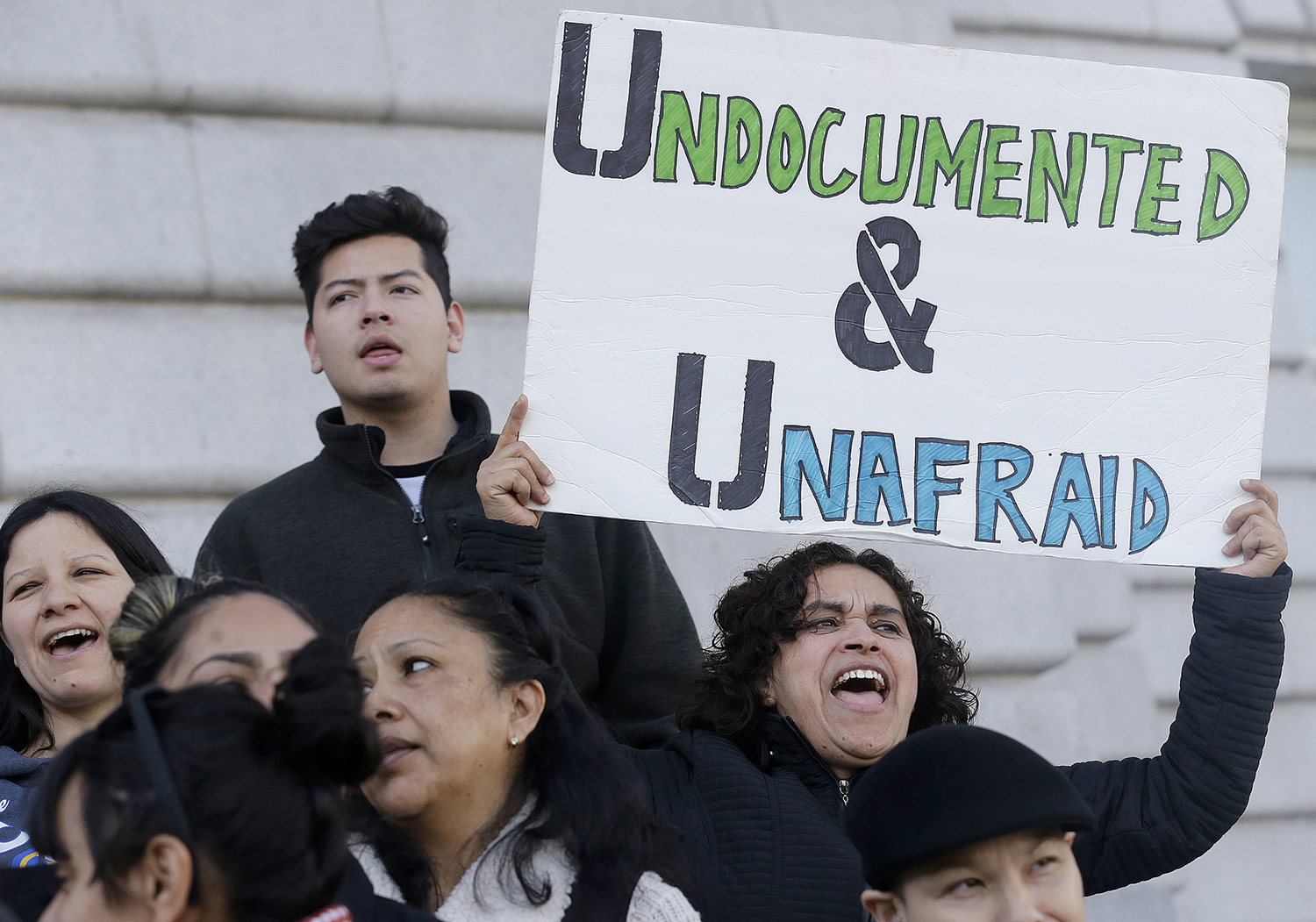
The Times report, titled “Creating a Safe Space for California Dreamers,” which was published earlier this month, details the concerns of a group of undocumented students at the University of California, Merced.
The report is well-written, and it’s a fascinating read.
But the problem for many, including the story’s subjects, is that Times reporter Patricia Leigh Brown included many of the student’s dorm room numbers, which is a step below publishing personal home addresses.
“[T]he students say they never agreed to their dorm addresses appearing in the Times, which appear casually among descriptions of the insides of their dorm rooms,” Fusion’s Jorge Rivas reported, citing UC Merced administrators.
One university administrator, Alejandro S. Delgadillo, told Fusion, “Our students are disappointed that their personal information was published in the article, but they are resilient in the belief that some good will come from this.”
Delgadillo added in separate remarks to the Times, “We didn’t think she (the reporter) would even use the name of the residence hall. To include the room numbers puts a target on these students. We engage with a great deal of media and never felt that students were at risk by the information that we were sharing. This really violated that.”
A spokesperson for the immigrant advocacy group Define American added separately, “By sharing these students’ dorm, floor and room numbers, Ms. Brown has provided their exact locations and left them vulnerable to detainment by United States Immigration and Customs Enforcement or violence by radical white nationalists set on ensuring the removal of all undocumented immigrants from the United States.”
Though a Times spokesperson did not respond to the Washington Examiner’s request for comment by the time this story was published, the paper’s public editor has already touched on the controversy surrounding their UC Merced story.
“It’s too bad that an otherwise strong piece was weakened by a decision to describe the students not just by their name, but by what is essentially their home address,” wrote the Times’ Liz Spayd.
The report’s author says she regrets sharing the students’ exact whereabouts.
“I am a mother myself and the last thing I’d want to do is jeopardize any student’s safety or give them cause for alarm,” Brown said. “In hindsight, understanding that the room numbers seem to have caused distress and concern, I, of course, would not have used them. I gave the students the option of not using their full names (none of them took it) and did ask for their room numbers, even double-checking them with some.”
Times editors, including education editor Jane Karr and associate managing editor for standard Phil Corbett, continue to defend the decision to publish the dorm numbers.
“Having a room number did not give you more access to the students,” Karr said. “It’s a secure building.”
Spayd remains unconvinced that they needed to include those specific details.
“[T]he dorm numbers were not make-or-break details. Since the students agreed to give their names, and signed a release for the use of their image, then I think The Times is certainly within good journalistic standards to use them,” she wrote. “But saying who lives behind which door seems like an unnecessary intrusion that didn’t help the students or the story.”
