

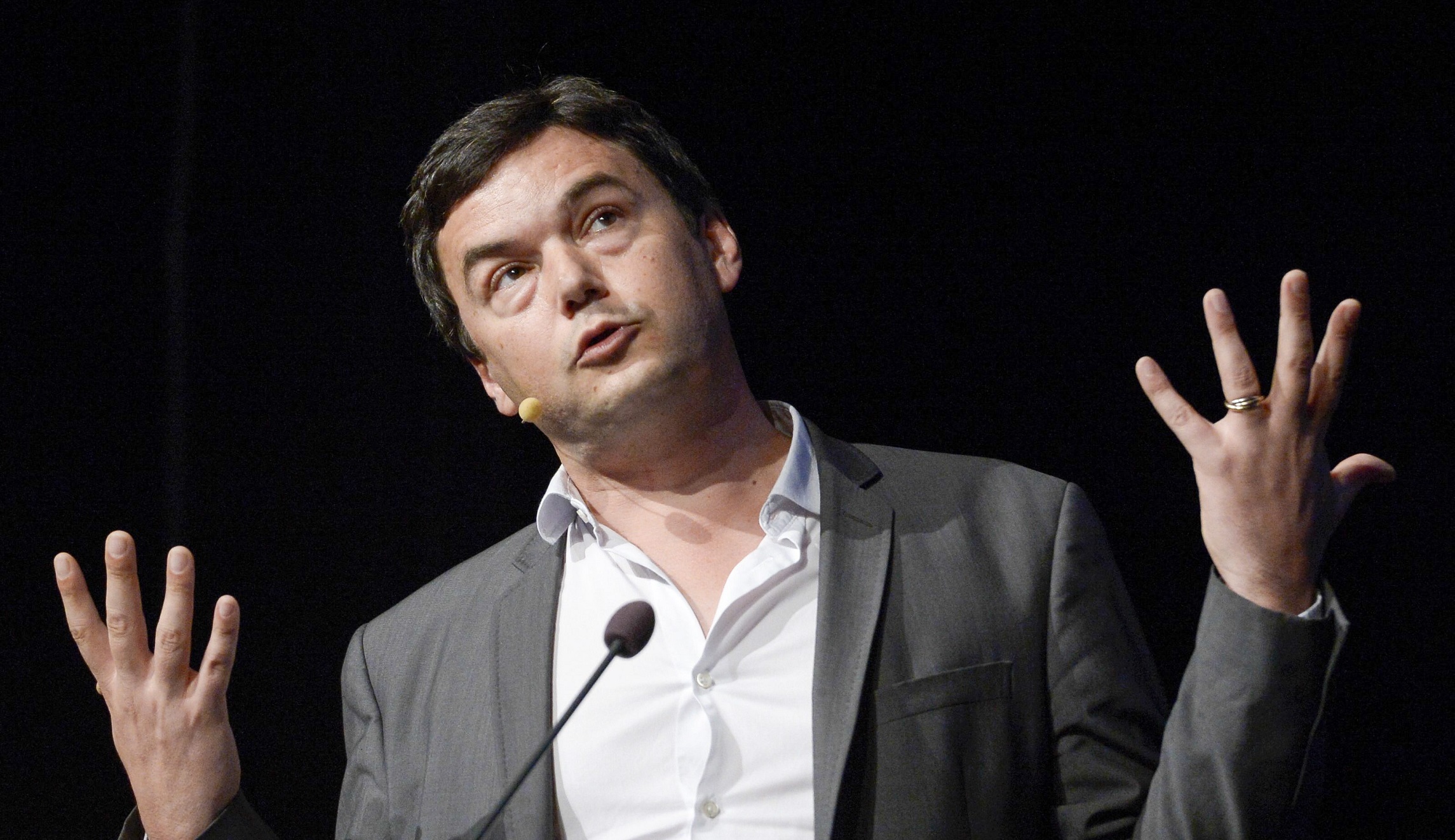
Following the collapse of socialist systems around the world at the end of the 1980s, the superiority of the market economy was clear to many. Nevertheless, latent or overt anti-capitalist animosities have persisted, and, since the outbreak of the financial crisis in 2008, have even gained considerable support. In particular among intellectuals, anti-capitalism is once again popular — as demonstrated, for example, by the widespread approval of Thomas Piketty’s Capital in the Twenty-First Century. But anti-capitalism among intellectuals has a long tradition.
Many intellectuals fail to understand the nature of capitalism as an economic order that emerges and grows spontaneously. Unlike socialism, capitalism isn’t a school of thought imposed on reality, free-market capitalism largely evolves spontaneously, growing from the bottom up rather than decreed from above. Capitalism has grown historically, in much the same way as languages have developed over time as the result of spontaneous and uncontrolled processes. Esperanto, invented in 1887 as a planned language, has now been around for over 130 years without gaining anything like the global acceptance its inventors were hoping for. Socialism shares some of the characteristics of a planned language in that it is a system devised by intellectuals.
Stay informed.Stay ahead.
Join Washington Examiner for unlimited access to the news, analysis, and commentary that matter most.
Already a member? Log in
