
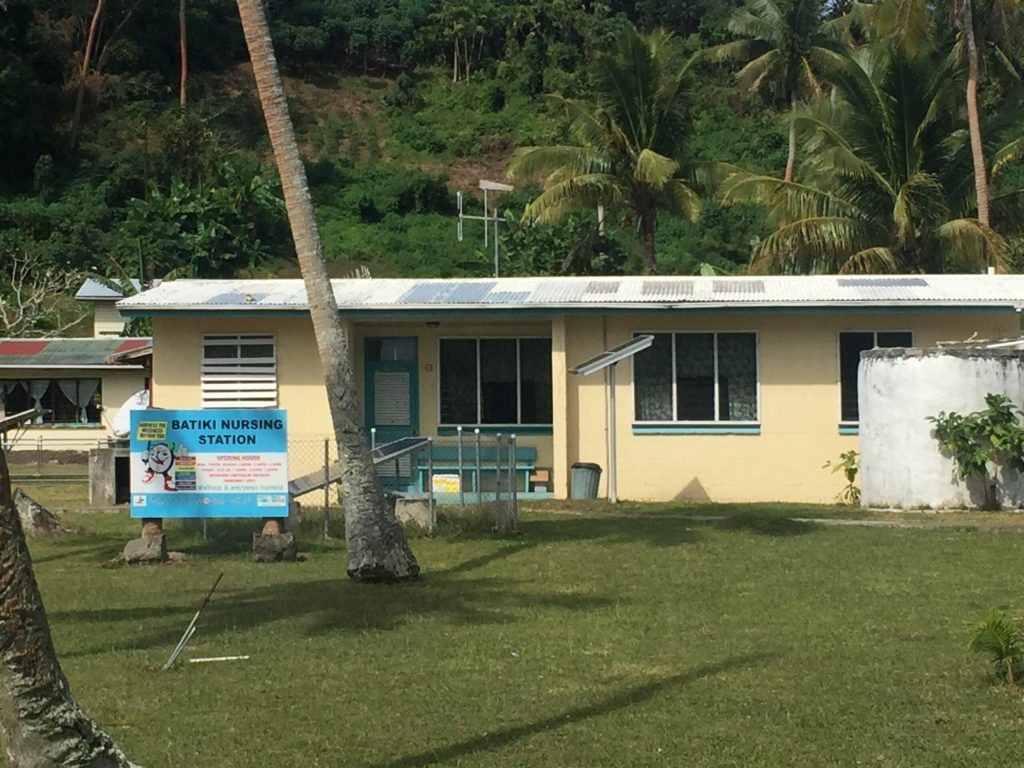
For the last several weeks, I have been working as a medical volunteer on a remote island off the coast of Fiji called Batiki. Home to 234 natives, Batiki has no running water and no electricity (other than solar-generated power). The inhabitants are subsistence fishermen and farmers and are filled with joy and a real sense of community.
While on the island, I found extremely high rates of high blood pressure and moderate rates of Type 2 Diabetes. But overall, I found a very happy and healthy indigenous population. Previous research has shown that the South Pacific islands have the second-highest rates of Type 2 Diabetes in the world — but there were fewer cases on Batiki than I expected. My time on Batiki has led me to reflect on the beauty and passion of its people and how we, as Americans, can learn so much from them when it comes to living a happy and healthy life.
Real journalism.Trusted by millions.
Unlimited access to in-depth reporting, expert analysis, and the stories that shape our country.
Already a member? Log in