
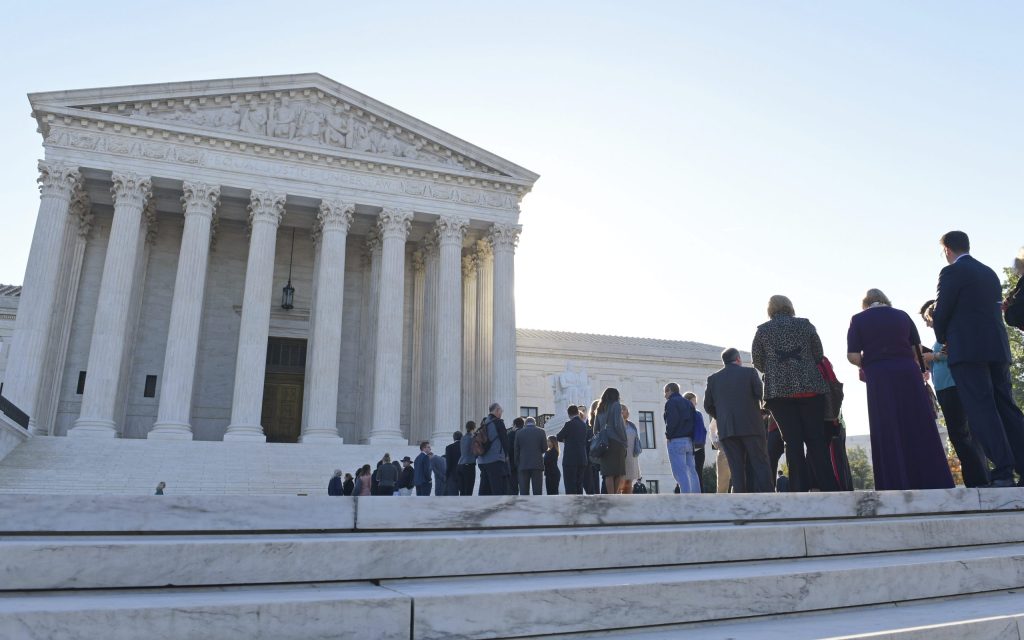
Supreme Court justices are officially nonpartisan, and they do a good job of operating outside of electoral politics. They are neutral in that sense, but they do not deliver decisions in vacuums. That partisans favor certain decisions, and fight for the appointment of judges who will hand them those favored decisions, is a longstanding political reality.
Justice Ruth Bader Ginsburg’s death and the ensuing political storm it has created, as well as the storms we are likely to see develop well beyond Nov. 3, offer an opportunity to revisit the court’s history and to note that arguments about its function are anything but new.
Recommended Stories


Print subscriber? Click here to login/register your account
Digital subscriber? Click here to login/register your account.