

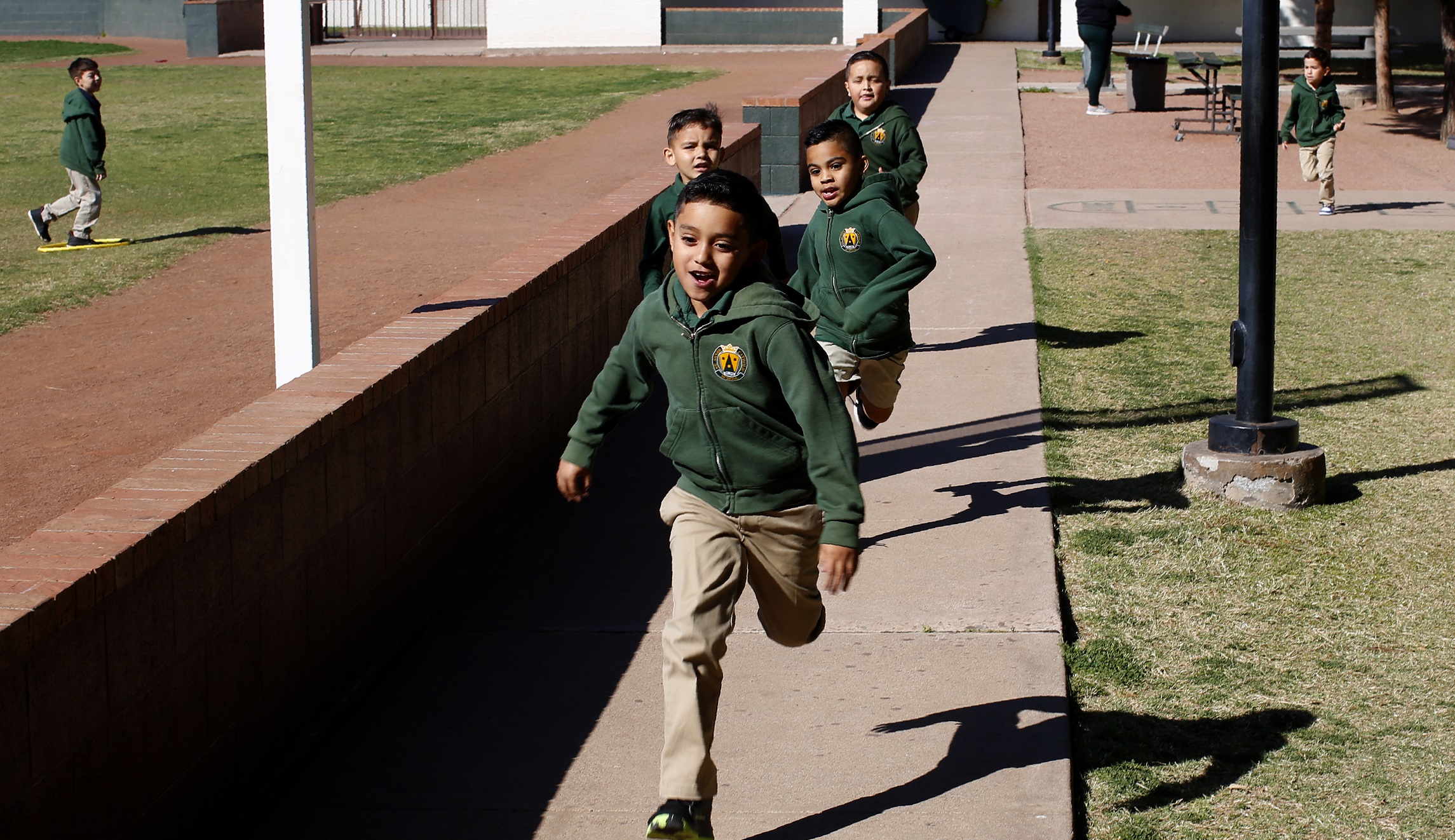
In order to slow the spread of COVID-19, schools across the nation have closed down. Without assistance, some might never reopen. As policymakers scramble to contain the damage wrought by the novel coronavirus, they should consider the effects of permanent private school closures on not only the students and families they serve but also on state coffers and the district school system.
Private schools that serve low-income communities are particularly vulnerable to economic downturns because they’re forced to compete against district and charter schools that are “free.” The Great Recession in 2008 decreased private school enrollment by about 40% in hard-hit areas. According to the Cato Institute, more than 50 private schools nationwide have already permanently shuttered as a result of the pandemic. The more than 7,000 students that these schools served were disproportionately students of color — 44% were nonwhite, including 19% black and 16% Hispanic.
Stay informed.Stay ahead.
Join Washington Examiner for unlimited access to the news, analysis, and commentary that matter most.
Already a member? Log in
