

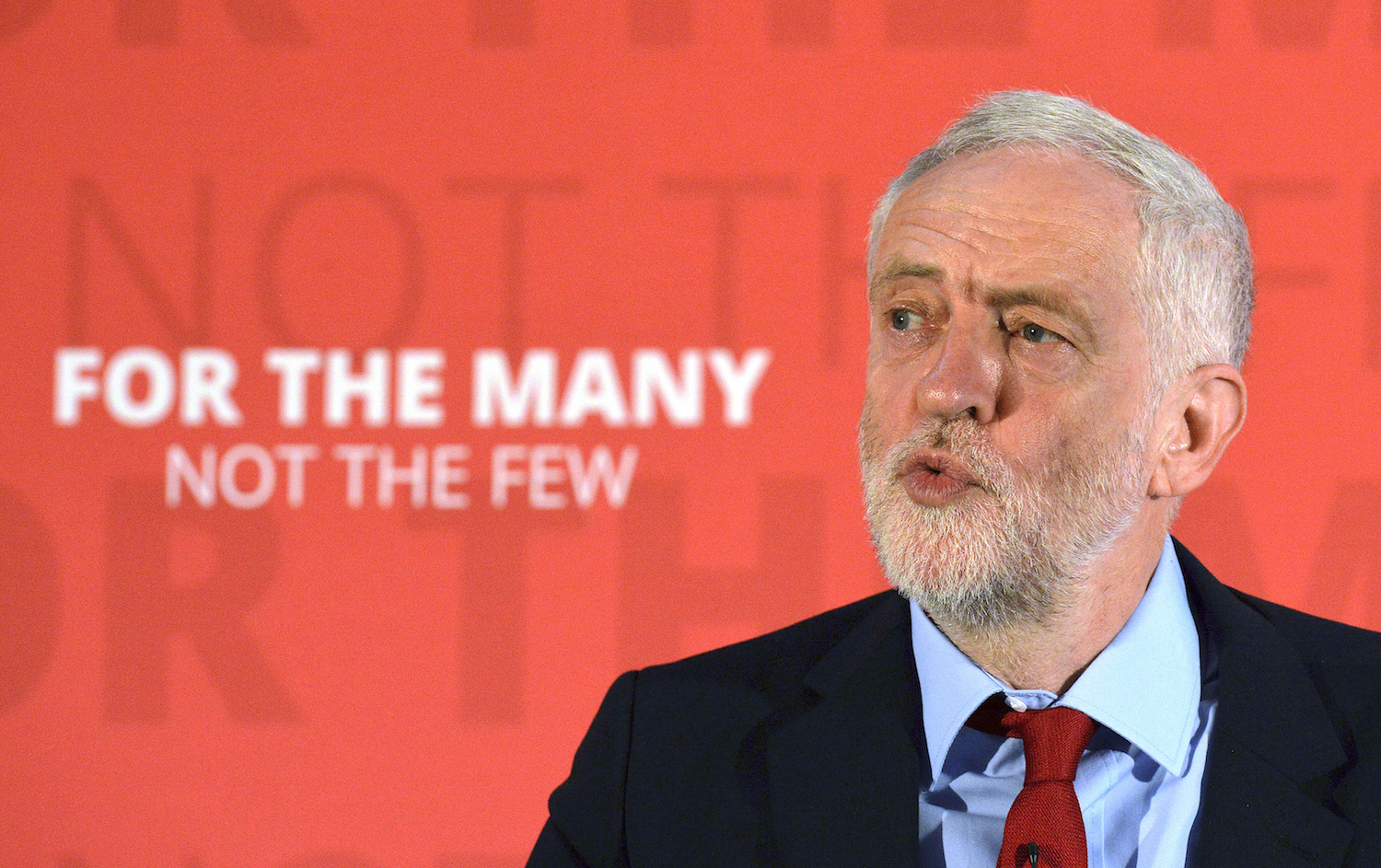
On June 8, British voters will head to the polls, three years early. When Prime Minister Theresa May called last month for a snap election, the assumption was that she would win easily and increase her parliamentary majority. Recent numbers, however, show the gap closing between May and Labour leader Jeremy Corbyn.
Corbyn — who was given 200:1 odds of when he ran for the party leadership in 2015 — is doing surprisingly well again. This is despite the fact that Labour has been under fire for anti-Semitism in its ranks, and Corbyn himself has been accused of anti-Jewish bigotry. Corbyn denies having a problem with Jews, claiming that he is merely anti-Israel. Even if it were possible to hate Israel without being anti-Semitic — and I am not sure that it is — Corbyn’s words and deeds demonstrate that he often uses virulent anti-Zionism as a cover for his soft anti-Semitism.
Stay informed.Stay ahead.
Join Washington Examiner for unlimited access to the news, analysis, and commentary that matter most.
Already a member? Log in
