The African nation of Sudan is no stranger to conflict. Since Sudan declared independence from the U.K. and Egypt in 1956, there have been too many insurgencies and civil conflicts to count. One of the deadliest ended in 2005, when Khartoum signed a deal with Sudan’s People Liberation Movement/Army to grant the South Sudanese the ability to secede and create their own state. The war in Darfur in the early 2000s claimed hundreds of thousands of lives and turned former Sudanese dictator Omar Hassan al Bashir into an international outcast.
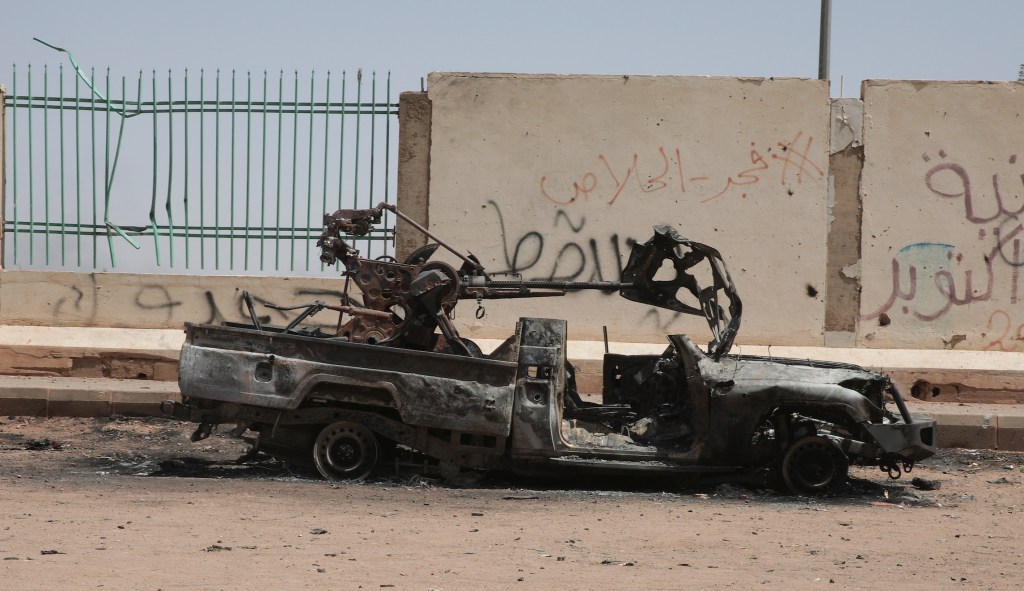
Sudan’s latest clash, however, isn’t another traditional case of the center fighting with the periphery, but rather the center fighting with itself. Sudan’s army chief and de facto leader, Gen. Abdel Fattah al Burhan, and the head of the Rapid Support Forces (RSF), Gen. Mohamed Hamdan Dagalo (known as Hemedti), two men who allied to oust the civilian prime minister in 2021, are now struggling against each other for power.