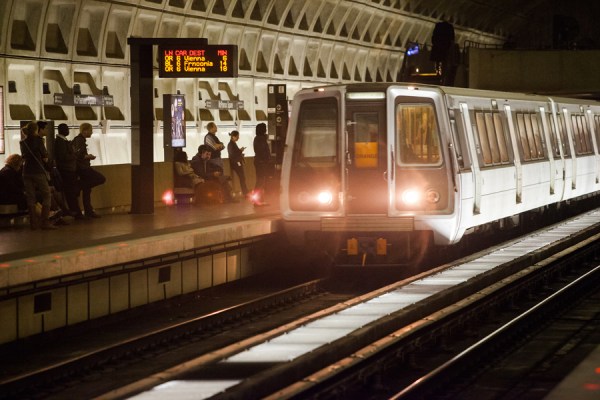
When the Washington region’s top transportation experts were asked to identify the top performance-based “game-changing” projects they thought would do the most to increase mobility over the next 20 years, a majority cited, in order: 1) constructing two new bridges over the Potomac River; 2) improving the reliability and safety of the existing Metro system; and 3) establishing a regional bus rapid transit network. However, three out of four of these experienced engineers, transportation administrators and urban planners agreed that there is currently no such list in the Washington metropolitan region, where political posturing and parochial NIMBYism have long held sway. The study — commissioned by the 2030 Group, a private-sector coalition of business and academic leaders and conducted by the Northern Virginia and Suburban Maryland Transportation Alliances — also identified other key transportation projects that would deliver the most bang for each transportation buck by focusing on reducing travel time, relieving congestion and keeping costs down.
In Northern Virginia, they recommended expanding Interstate 66 capacity inside and outside the Capital Beltway, constructing new limited-access corridors connecting Loudoun and Prince William counties, and widening I-95/395 as part of a regionwide HOV/HOT/BRT network. In Suburban Maryland, it was widening and linking I-495 and I-270 to Virginia’s improved HOV/HOT/BRT network and running the Corridor Cities Transitway from Shady Grove to Clarksburg and the Purple Line from Bethesda to New Carrollton.