

In an op-ed in the New York Times, feminist and author Jessica Valenti asserts that feminist ideas aren’t just good for women and girls, but men and boys too — after all, they’re the ones that need the most help.
“Whether it’s misogynist terrorism, the rash of young men feeling sexually entitled to women or the persistent stereotype of ‘real men’ as powerful and violent, it’s never been clearer that American boys are in desperate need of intervention,” she writes.
Recommended Stories


Her solution is that feminism was and can be helpful. “Feminist ideas can help men — be it the rejection of expectations that men be strong and stoic or ending the silence around male victims of sexual violence. But boys also need the same kind of culture we created for girls.”
Nothing could be further from the truth. First, girls and boys, men and women, are inherently different. They’re naturally wired differently, as a general rule, and they need different things from people, institutions, and culture. The way to strengthen boys is not to empower girls, just like the way to empower girls (prior to say the 1970s) wasn’t to continue with a patriarchy-soaked society.
Not to mention, the cultural feminism (“we”) created for girls isn’t always positive. Valenti says, “Feminism has long focused on issues of sexual assault, reproductive rights, harassment and more. But issues don’t hurt women, men do.”
Issues do actually hurt women (she’s right that men do, too). Much of feminism, while it has empowered women to seek equality in the workforce, now champions ideas that often hurt women. Many of the policies they encourage actually hurt women — like the so-called tampon tax and forcing employers to pay for women to have maternity leave which actually leads to subtle discrimination against hiring women. (Company-volunteered paid maternity leave, such as what 3M provides, is much better.)
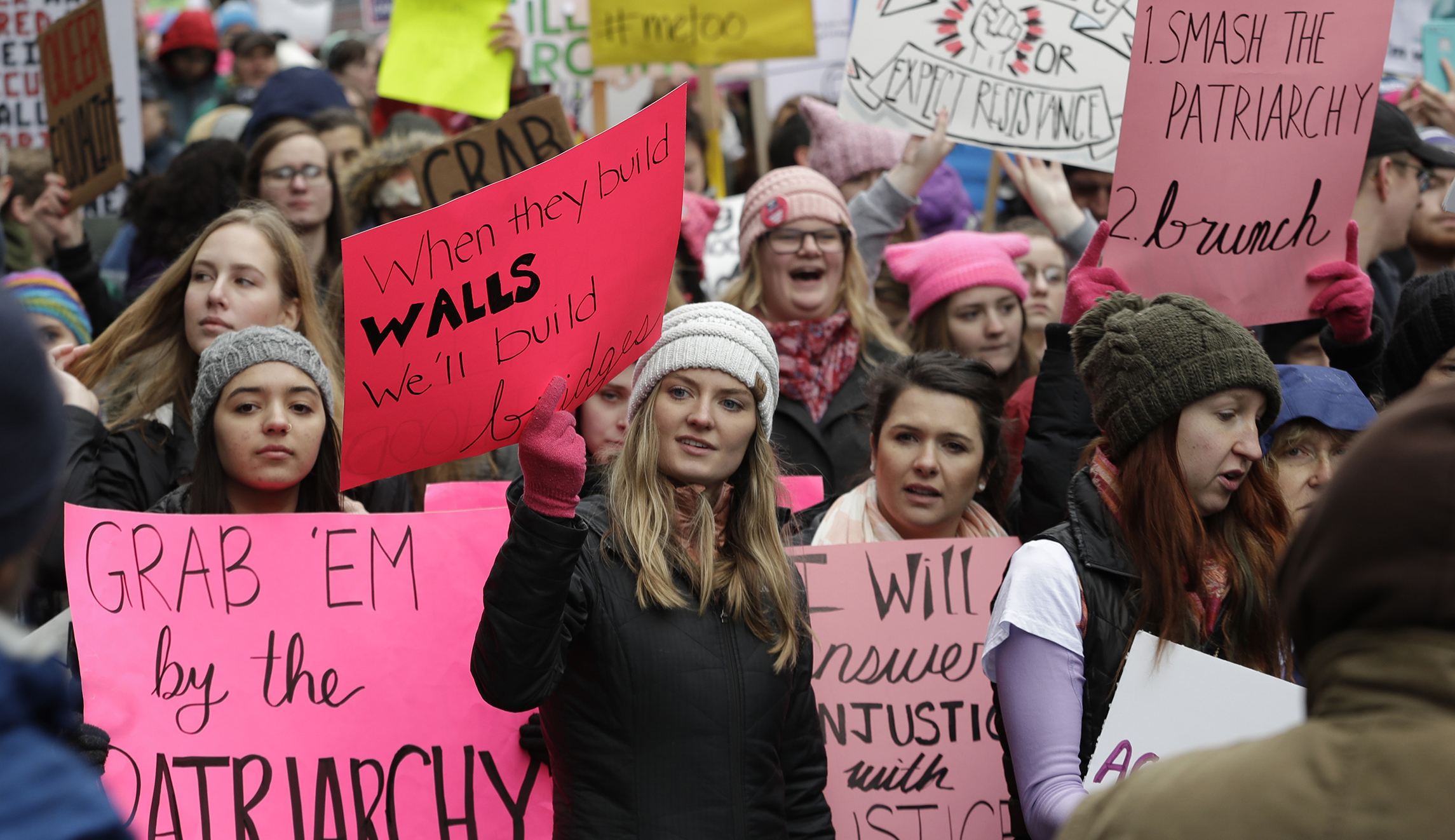
Even more harmful than the fiscal policies is the philosophy that seems to have overtaken the first and second waves of feminism (which were centered around equality) and now revolves around entitlement. There’s a concerted effort to push workplaces to embrace a 50-50 male-to-female ratio regardless of merit, and the rhetoric at the women’s marches is more anti-male and pro-choice on abortion than pro-woman. This doesn’t help women or men.
So how could the third wave of feminism, which actually does hurt women, help men? Valenti is skeptical that our current culture is failing young men, but there’s an obvious uptick in the effort to make men as irrelevant as they are unwanted. This is not to say men are victims and can’t be misogynistic jerks. But to say that the cure-all is actually feminism, when good examples of strong masculinity would be more apropos, is mistaken.
Nicole Russell (@russell_nm) is a contributor to the Washington Examiner’s Beltway Confidential blog. She is a journalist who previously worked in Republican politics in Minnesota.
