
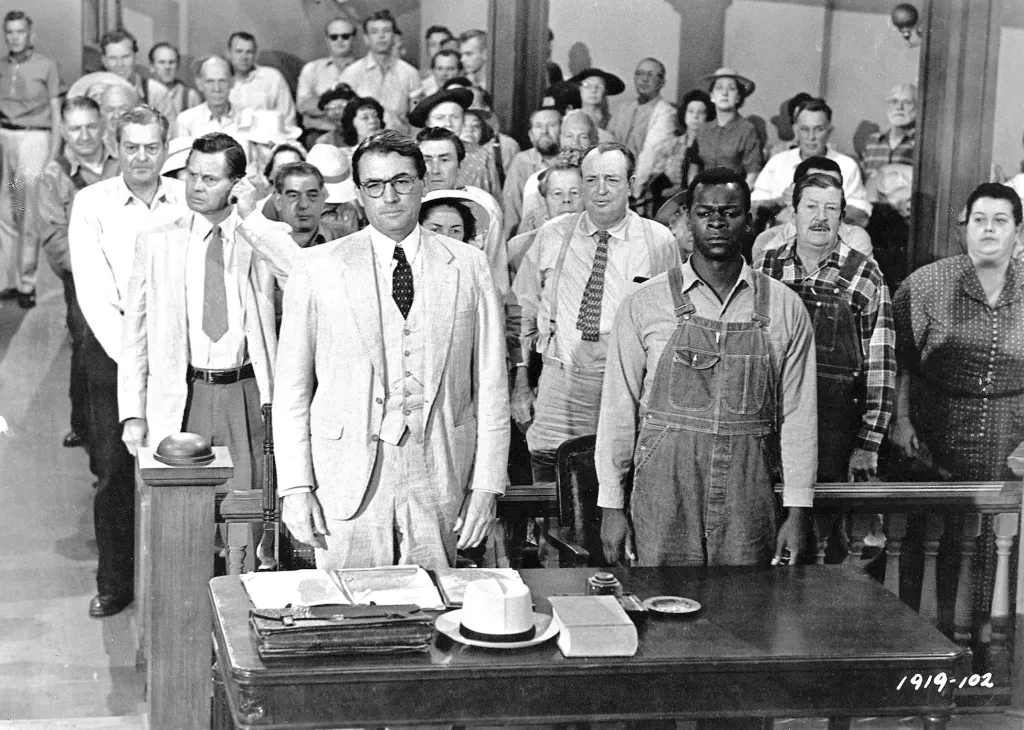
At one time in our nation’s history, blacks feeling sorry for whites was verboten. That was portrayed in Harper Lee’s Pulitzer Prize-winning novel, To Kill a Mockingbird. This is a novel published in 1960 — and later made into a movie — about Depression-era racial relations in the Deep South. The novel’s character Tom Robinson, a black man, portrayed in the movie by Brock Peters, is on trial, falsely accused of raping a white woman. The prosecuting attorney, while grilling Robinson, asks him why he spent so much time doing chores for the alleged rape victim when he had so much of his own work to do. After persistent prosecutorial haranguing, Robinson timidly admits that he felt sorry for her. That response elicits shock and dismay from the prosecutor and the courtroom: How dare a black man feel sorry for a white woman?!


Print subscriber? Click here to login/register your account
Digital subscriber? Click here to login/register your account.