

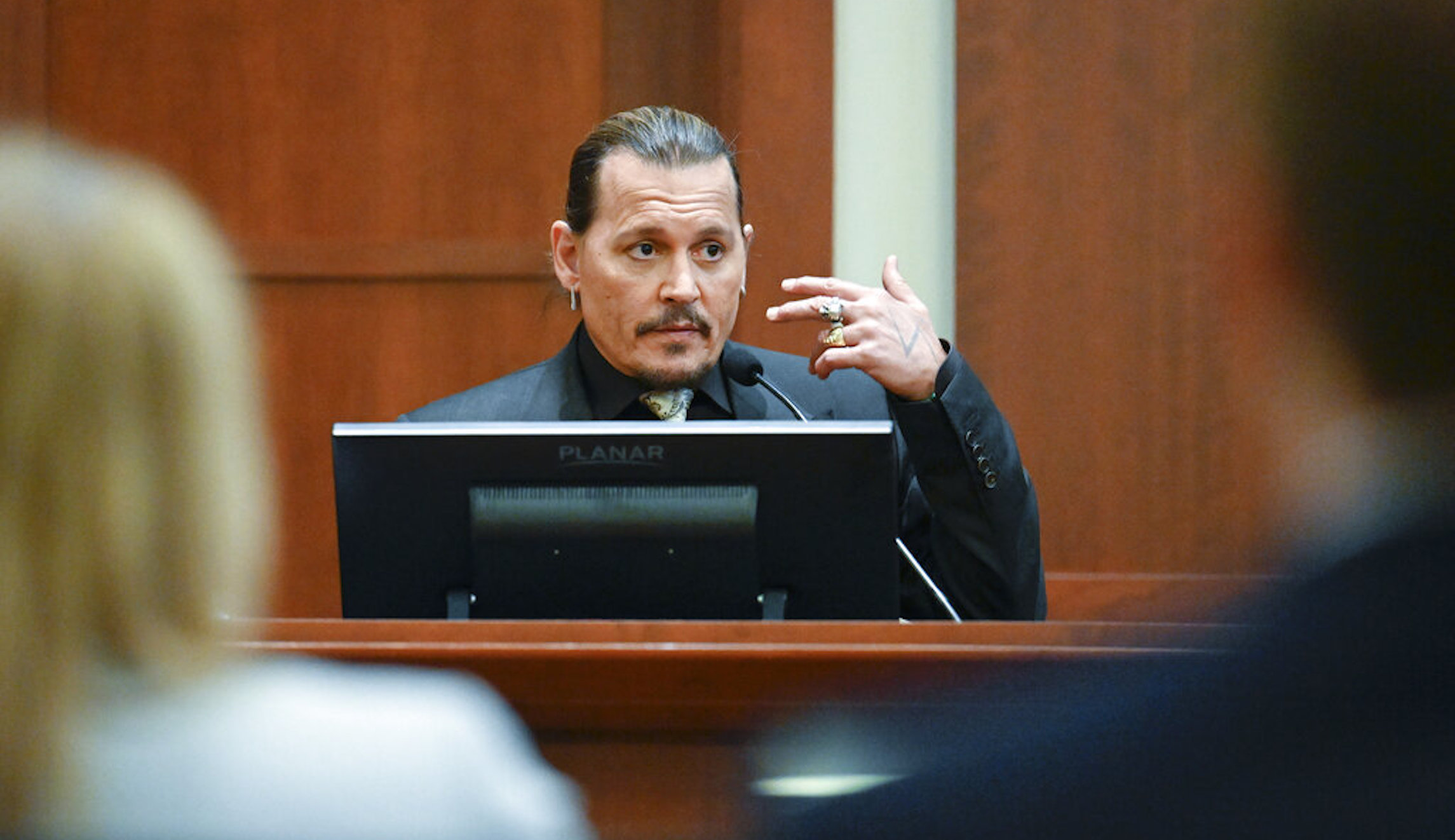
We’re in the third week of Johnny Depp’s defamation trial against ex-wife Amber Heard. The world has been granted a lurid window into the former couple’s 15-month marriage and broader relationship.
Depp is suing Heard for $50 million for allegedly defaming him in a 2018 op-ed in the Washington Post, in which she described herself as a victim of domestic abuse. Heard is countersuing Depp for $100 million. In 2020, Depp lost a libel lawsuit he brought against a U.K. newspaper for describing him as a “wife beater.”
Recommended Stories


Via the live televising of the courtroom in Fairfax, Virginia, we’ve learned about Depp’s battle with substance abuse, the gory details of how he lost a portion of his finger during a fight with Heard, and how she allegedly defecated in their marital bed after an argument on her birthday. Depp’s legal team also played an audio recording of Heard admitting to starting a physical fight with Depp.
While I can’t speak to this particular case, the trial has certainly evoked a larger conversation about domestic violence and the ways in which it, and public allegations of it, can derail relationships, careers, and mental health.
In my previous experience working with victims and perpetrators of intimate partner violence, people will gravitate toward toxic relationships because they seek to mirror the dynamic they saw between their parents when they were growing up. Those who experienced abuse in the home learn that it is acceptable to use violence during a conflict to get what they want. Others learn that being abused is normal.
Emotionally and physically abusive people are very effective in masking their pathological tendencies at the start of a relationship, particularly if they are personality disordered. Adult victims of abuse frequently ignore a partner’s early warning signs, including excessive admiration, possessiveness, and use of control.
When a partner ignores or dismisses these behaviors, an abusive person learns that mistreatment of their partner will be tolerated. It allows the abusive relationship to grow deeper and for the abuser to become more enmeshed in a person’s life.
Abuse should be taken seriously, regardless of the victim’s sex. However, men often don’t disclose or report these experiences out of fear of not being believed, being victim-blamed, or being assumed to be the instigator. One can only hope that public attention surrounding the Depp trial will impart the importance of protecting oneself and believing male victims, too.
Dr. Debra Soh is a sex neuroscientist, the host of The Dr. Debra Soh Podcast, and the author of The End of Gender: Debunking the Myths About Sex and Identity in Our Society.
