
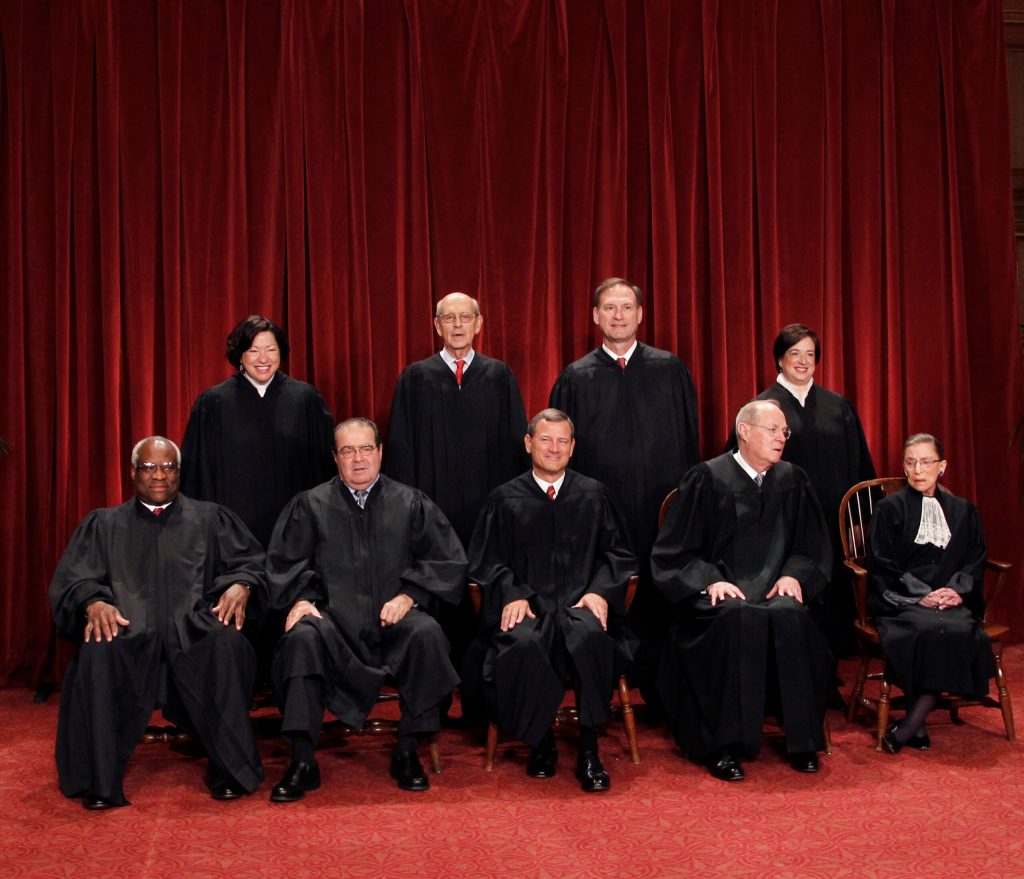
In 1954, the U.S. Supreme Court ended legal segregation in public schools with a unanimous 9-0 decision in Brown v. Board of Education. While the ruling paved the way for future integration of American society, the court itself was far from integrated. The decision was reached by nine white men.
It wasn’t until Thurgood Marshall was appointed to the Supreme Court in 1967 that the all-white barrier was broken. It took until 1981 before a woman was confirmed as a justice. Since then, Italian-American and Hispanic-American justices have been added to the mix. A more diverse court is a good thing for America.
Real journalism.Trusted by millions.
Unlimited access to in-depth reporting, expert analysis, and the stories that shape our country.
Subscribe Now
Already a member? Log in
Print subscriber? Click here to login/register your account
Digital subscriber? Click here to login/register your account.