

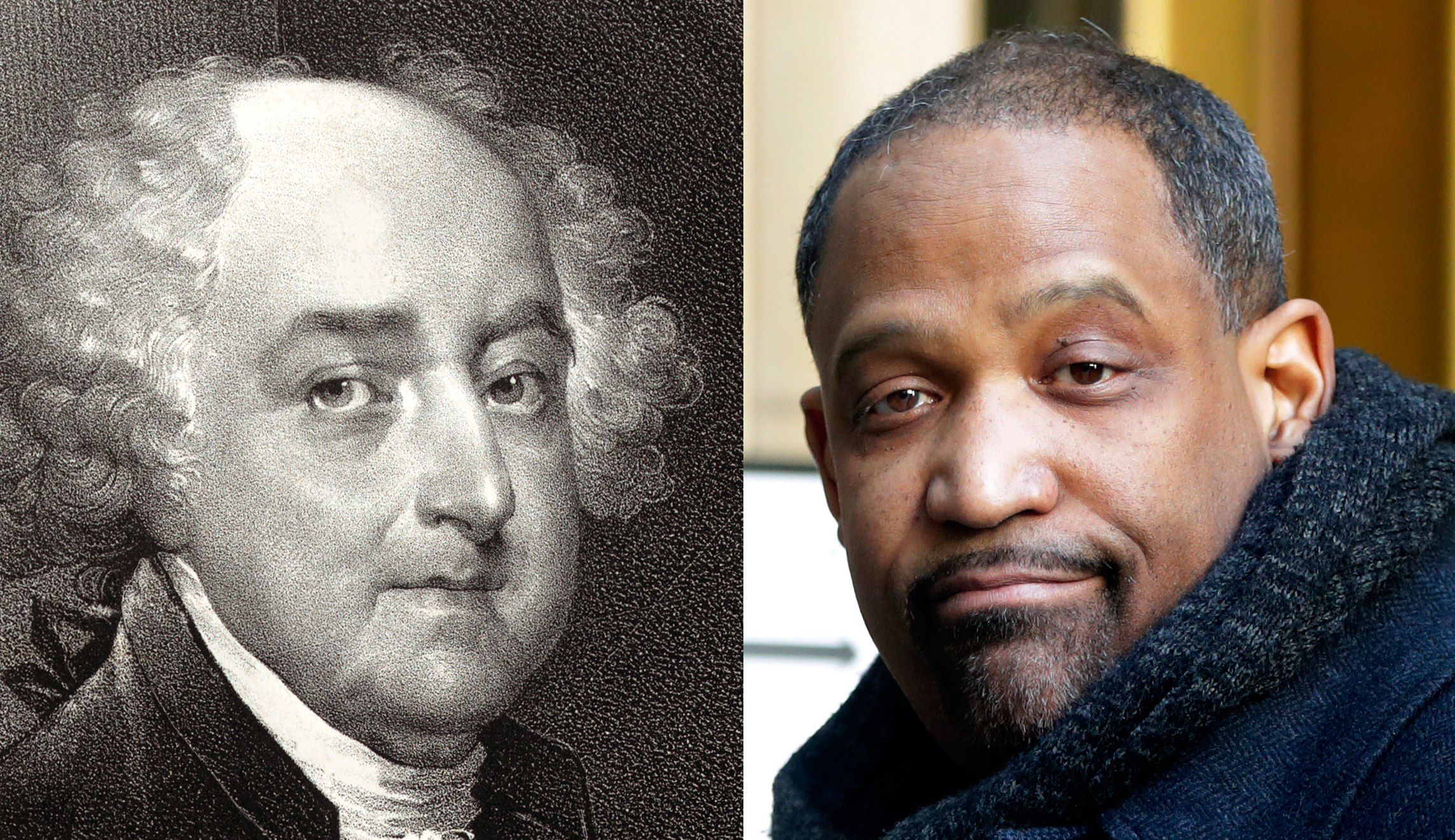
One of my favorite shows of all time was HBO’s miniseries on the life of John Adams. I remember watching it more than 10 years ago when it first came out. It took pieces of American history that may not have been among the most memorable and presented them in the context of what was happening in the colonies at the time — the human aspect. We got a glimpse into the emotional sentiments, the family dynamics, and the overwhelming frustrations of the colonists on the cusp of declaring independence.
A favorite segment of the series is in an early episode, because it highlights a vital and fundamental element of the success of the American experiment. As a young Boston attorney, and one of the earliest alumni of Harvard University, Adams defied the emotional sentiments of the entire colony and defended the eight British soldiers charged with murdering five colonists during a riot. The March 1770 event is commonly referred to as the “Boston Massacre” in history books, and prior to seeing it unfold onscreen I hadn’t recognized the degree to which a future Founding Father was vilified by many of his friends, colleagues, and contemporaries for his involvement.
Stay informed.Stay ahead.
Join Washington Examiner for unlimited access to the news, analysis, and commentary that matter most.
Already a member? Log in
