A generation ago, television consisted of a handful of national broadcast networks and their local affiliates, broadcast over the air on a scheduled basis and accessed via the family room set. In 2017, television is no longer synonymous with such over-the-air broadcasts. Even apart from the rise of cable and satellite, television increasingly means on-demand content from Netflix, Hulu, iTunes and Amazon, accessed via Internet Protocol on smart phones, tablets and smart TVs. With social media, citizen journalism and the Drudge Report as go-to sources for television newscasts, broadcasters and newspapers are no longer the pre-eminent information purveyors.
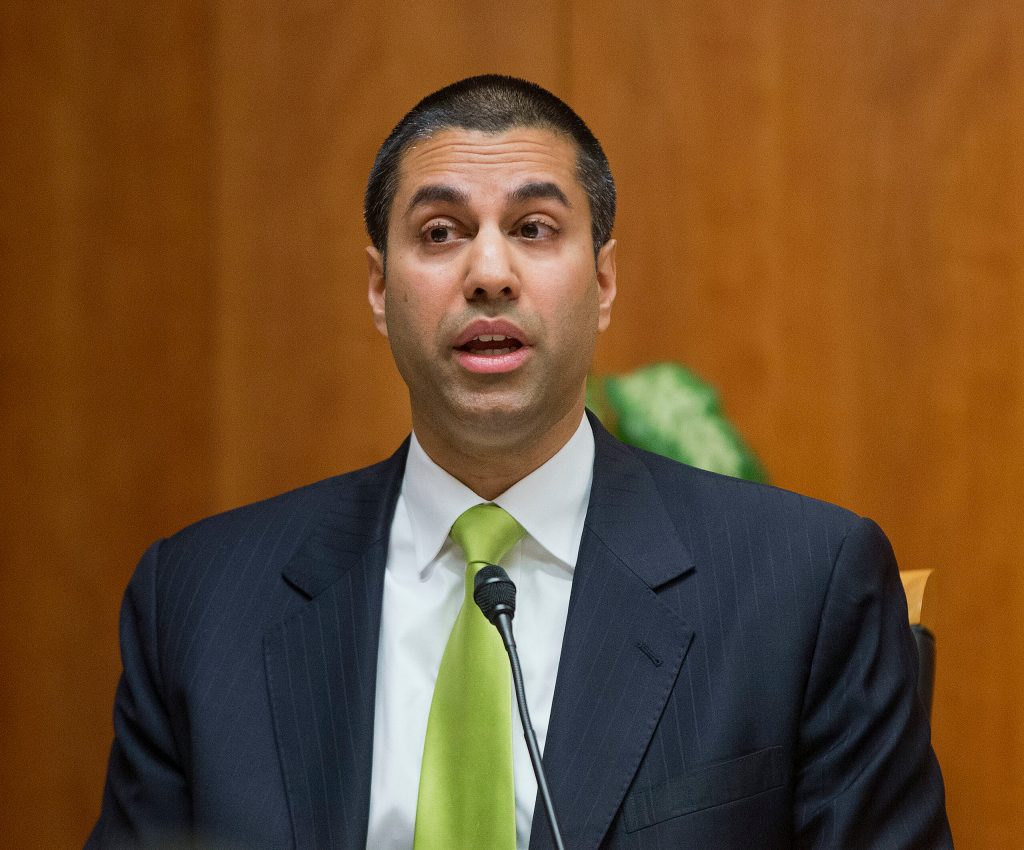
Despite this revolution, federal regulation remains an anachronism, imposing unique burdens on broadcasters to alleviate “diversity” concerns arising from the spectrum license scarcity of a bygone era. To make matters worse, groups on the left have relentlessly opposed FCC Chairman Ajit Pai’s efforts to level the regulatory landscape — most recently by opposing his reinstatement of the “UHF discount” to the national broadcast ownership cap.