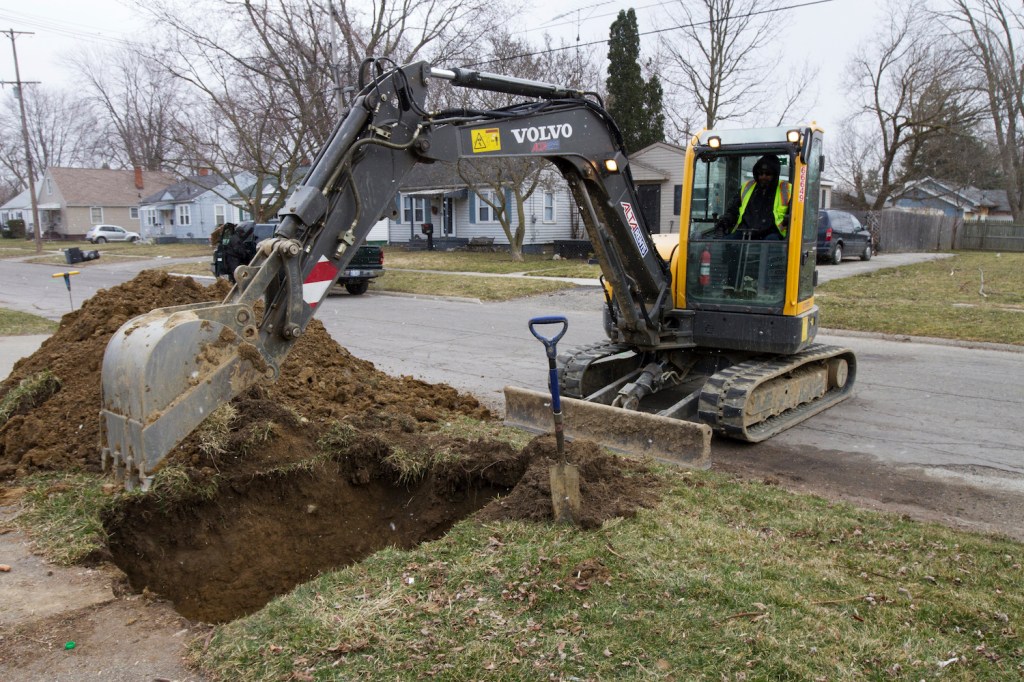
In the wake of the severe water-contamination crisis that put Flint, Michigan’s 100,000 residents at risk of lead poisoning, fixing the nation’s decaying underground water infrastructure is a task that can no longer be ignored. Addressing the problem will require a serious discussion about how to spend water systems’ limited resources so as to make the best use of the innovative products and technologies that are available today.
In his April 4 article in the Washington Examiner, “Cheap Pipes Will Cost Communities Over Time,” Darren Bearson paints an inaccurate picture of efforts underway in state legislatures aimed at removing barriers to competitive bidding in underground water infrastructure projects. For example, the claim that bills pending in Ohio and Michigan would “force municipalities to solely consider cost on the front-end of the decision making…” is false.