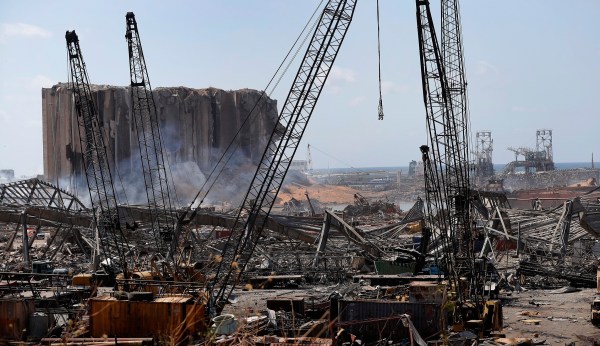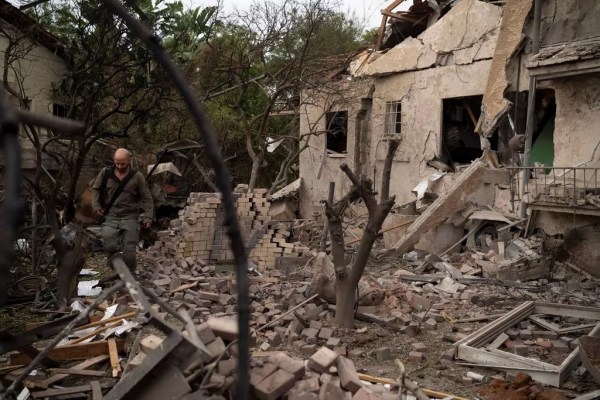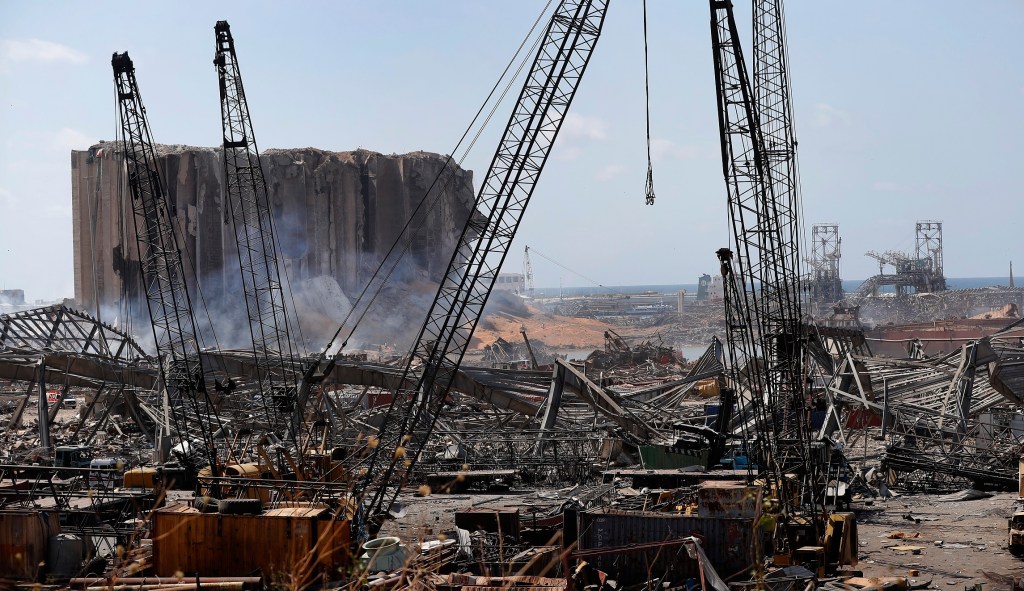
The explosion in Beirut’s port was a human tragedy. Hundreds died in the blast, and thousands more were wounded. The victims transcended Lebanese society: Christians, Sunni, Shi’ites, Druze, supporters of Hezbollah, and Hezbollah’s most diehard opponents. Conspiracy theories erupted — Hezbollah munitions stored in the port, an Israeli airstrike, even a nuclear bomb — but the reality was more mundane. The reason for one of the largest accidental explosions since the 1917 Halifax explosion and the Texas City disaster three decades later was simple incompetence: Authorities offloaded highly explosive cargo into an unsecured warehouse, largely forgot about it, and then allowed welders unaware about the danger they faced into the warehouse to conduct repairs.
The government has put port managers under house arrest while the investigation gets underway. But if there is any lesson from recent Lebanese history, only the weak and never the powerful face accountability for their actions. That was what occurred when Hezbollah detonated a bomb in the heart of Beirut in order to assassinate former Prime Minister Rafic Hariri. In the aftermath, Lebanese were outraged in much the way they are today. The resulting Cedar Revolution forced the withdrawal of Syrian troops and gave Lebanon a chance, albeit one squandered by Lebanon’s self-serving elite, at a better future.