

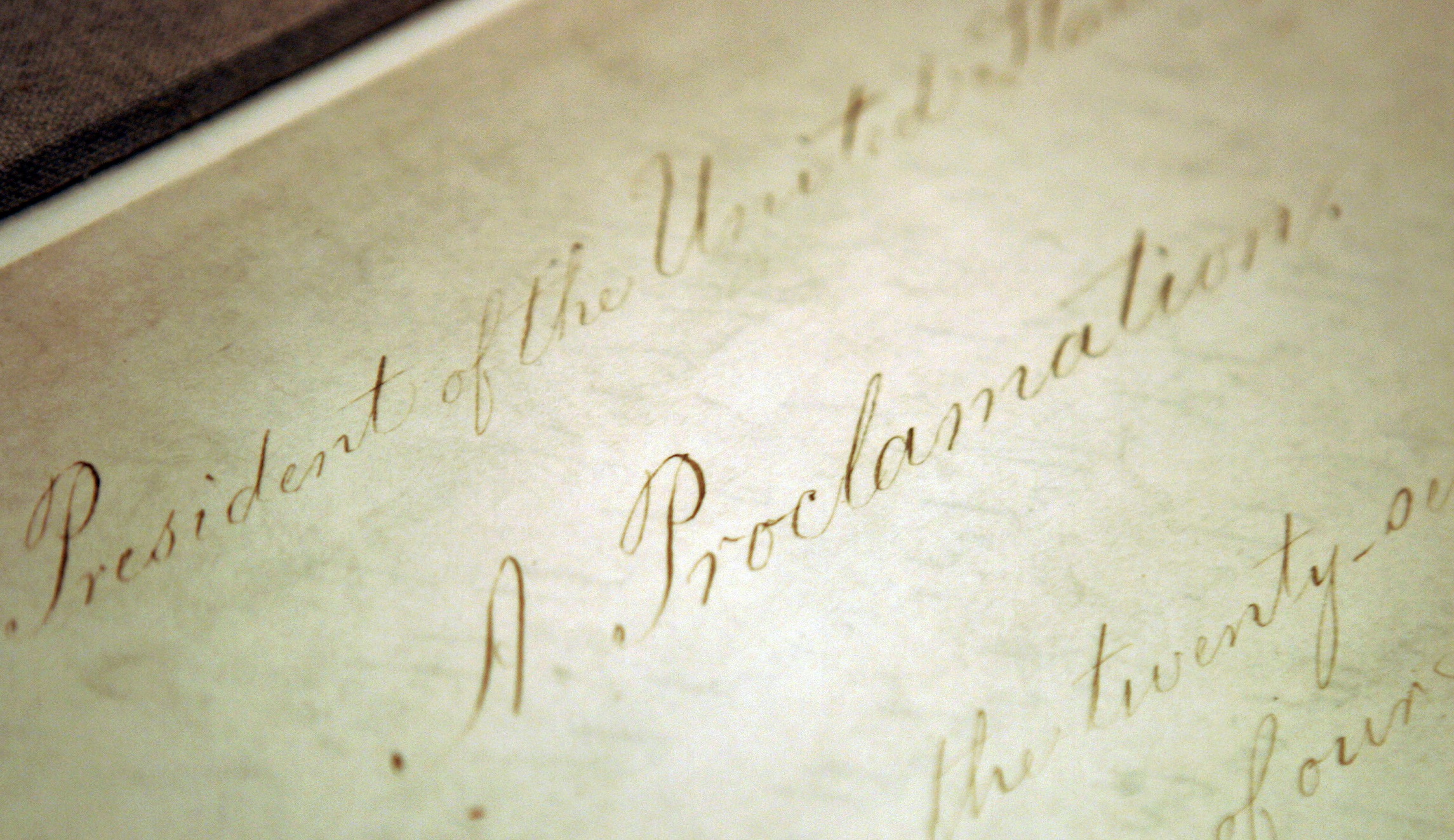
This week, the Senate unanimously passed a bill declaring Juneteenth a national holiday — commemorating June 19, 1865, when a Union general informed the last enslaved people in Texas that, thanks to the 13th Amendment, they were free. This was the denouement of a long process, begun more than fourscore years before and cruelly delayed for many decades.
There was virtually no articulate opposition to slavery, except among Quakers, in the North American colonies that rebelled against British rule in the 1770s. But there was an obvious tension between slavery and American assertions of individual rights, encapsulated in Jefferson’s phrase “all men are created equal.” Revolutionaries were uncomfortably aware of the great English writer and lexicographer Samuel Johnson’s remark, “How is it that we hear the loudest yelps for liberty among the drivers of negroes?”
Stay informed.Stay ahead.
Join Washington Examiner for unlimited access to the news, analysis, and commentary that matter most.
Already a member? Log in
