

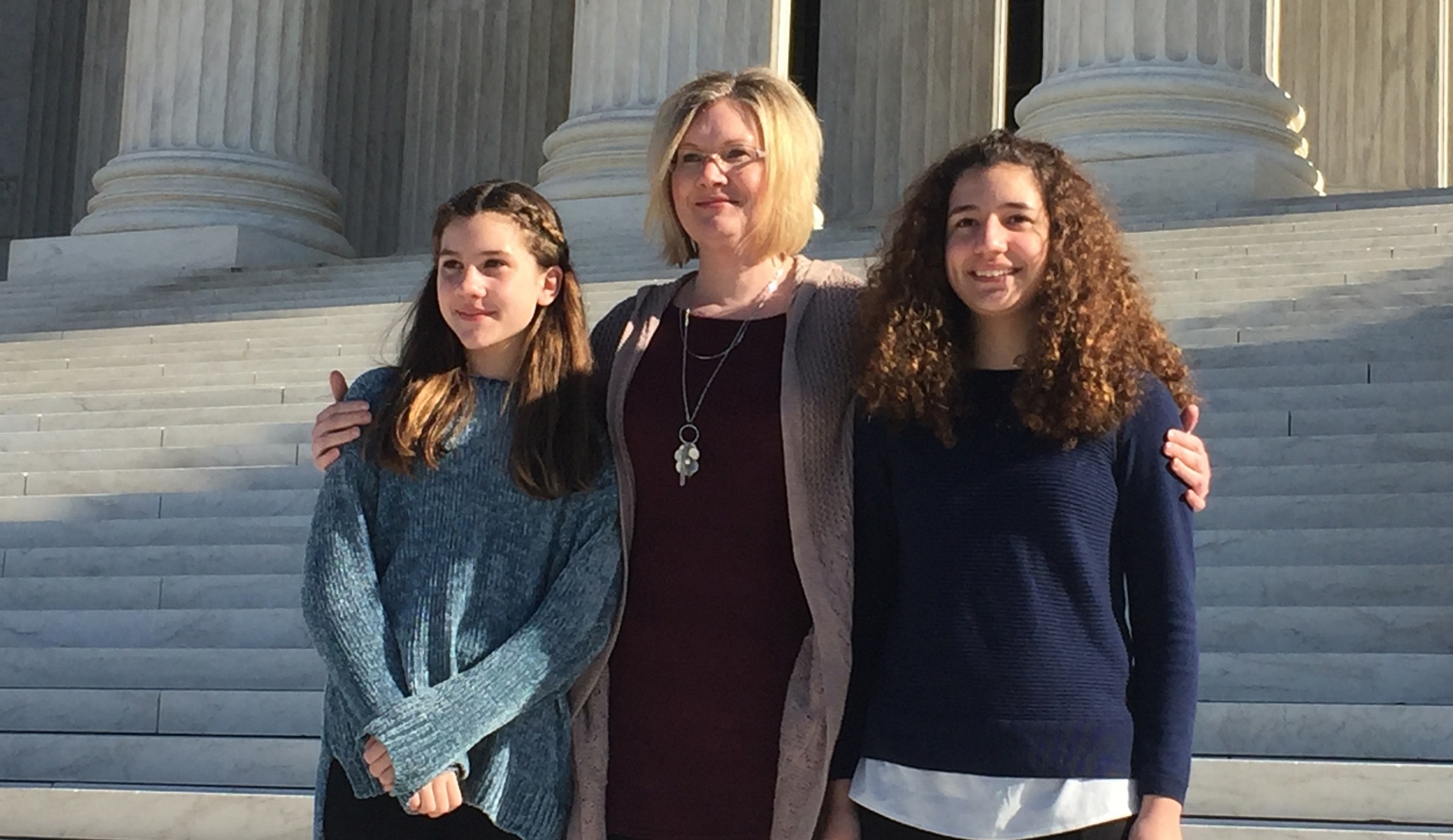
On Tuesday, in a 5-4 decision, the Supreme Court released a ruling ensuring students in Montana can use their tax credit for faith-based schools. Although this was a niche case that garnered little media attention, the ruling actually has more broad implications than many may realize at first. There are all sorts of ways religious groups partner with the government, and this ruling protects their liberties.
Espinoza v. Montana Department of Revenue asked the Supreme Court to determine whether the Montana Department of Revenue discriminated against religion in violation of the free exercise clause when it prohibited Kendra Espinoza, a single mother of two daughters, from using the state’s neutral Tax Credit Scholarship Program to send her daughters to a religious school. The Montana Supreme Court, which earlier had ruled in favor of the Department of Revenue, said it was complying with the state constitution and the archaic Blaine Amendment, a 19th-century, anti-Catholic provision that banned tax credits from going to religious schools. Blaine Amendments are adopted in many state constitutions and are a scourge for many religious liberty advocates since they are rooted in bigotry and so constrictive.
Stay informed.Stay ahead.
Join Washington Examiner for unlimited access to the news, analysis, and commentary that matter most.
Already a member? Log in
