
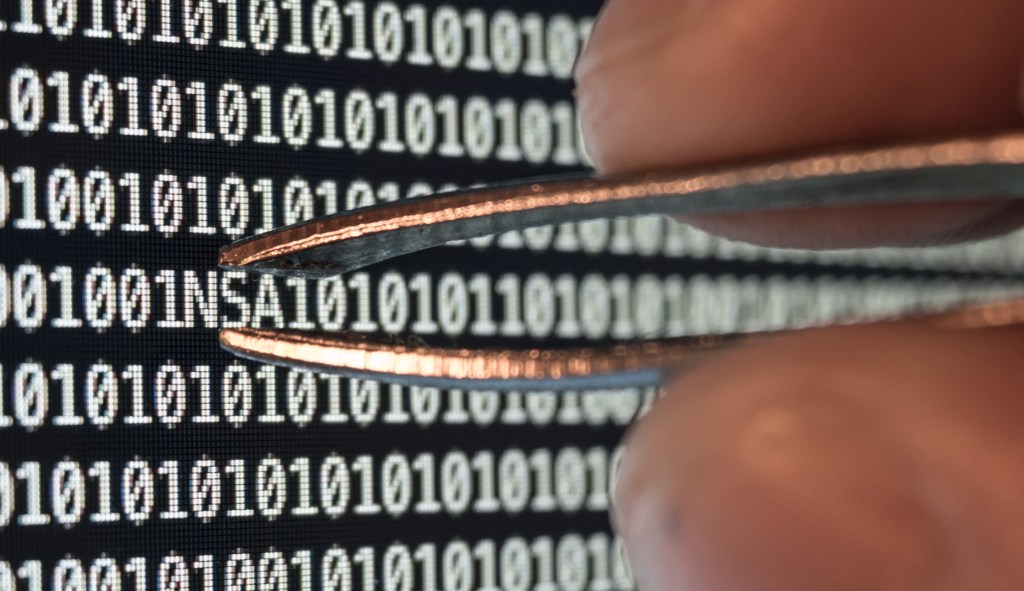
Google will lay a new undersea communications cable between the United States and Britain and Spain. The cable will support increased data flows across the Atlantic. But “Grace Hopper,” as the cable is named, will also attract some interesting intelligence activity.
The first point to note is that the British end of the cable will come ashore in Bude, Cornwall, on England’s southwest coast. While many U.S. cables land at Bude, that location is also home to a joint base of the U.S. National Security Agency and its British equivalent, Government Communications Headquarters. GCHQ-Bude conducts a range of signals intelligence activities, but its particular focuses are the monitoring of undersea cable traffic, supporting NATO sea control, and interception of data and communications running across numerous satellites. But its position on the picturesque coast gives GCHQ-Bude a particular opportunity to assess data moving across undersea networks quickly.
Real journalism.Trusted by millions.
Unlimited access to in-depth reporting, expert analysis, and the stories that shape our country.
Already a member? Log in