Throughout the 2016 presidential campaign and the first year of his presidency, Donald Trump’s struggle to win over traditional center-right voters has been well-documented. But while the president’s aggressive, populist economic proposals and nationalistic rhetoric on trade has long given pause to proponents of a free market, his message on foreign affairs is generally met with more approval.
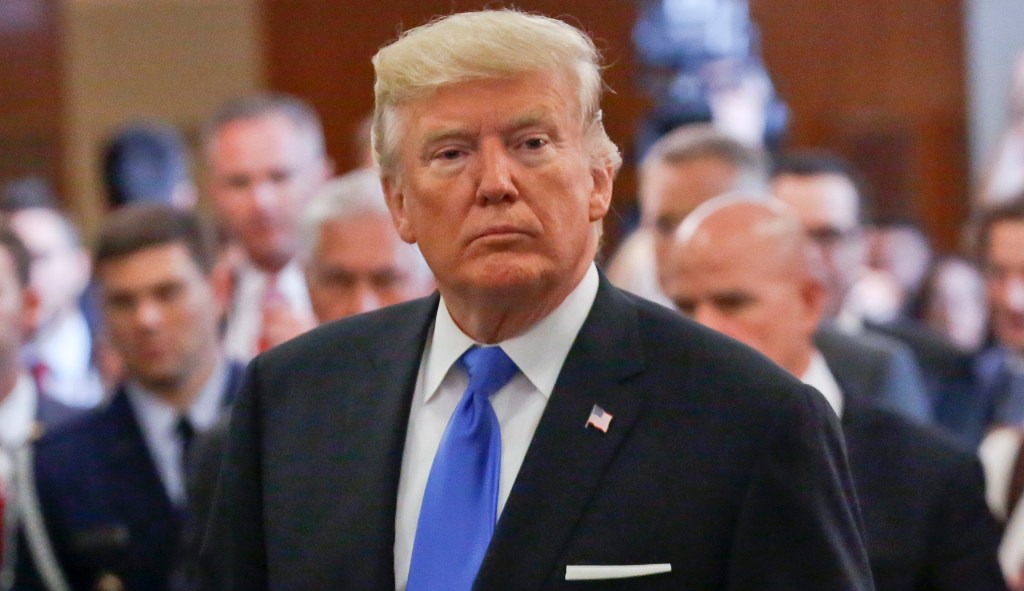
For a war-weary country that elected his predecessor on promises to bring the troops home, America’s current commander-in-chief has consistently expressed a desire for less foreign intervention, occasionally causing him to be branded an isolationist. On Tuesday, in his first address to the United Nations, President Trump walked a line between intervention and isolationism, possibly finding his voice on foreign policy in the process.