


As Republicans take full control of Congress on Tuesday, the party welcomed into its ranks six new women, and one (Sen. Shelley Moore Capito of West Virginia) who moved from the House of Representatives into the Senate.
Each woman brings a unique background and set of experiences to Capitol Hill, making all of them worth watching in the coming years.
Recommended Stories


Shelley Moore Capito, R-W.Va.
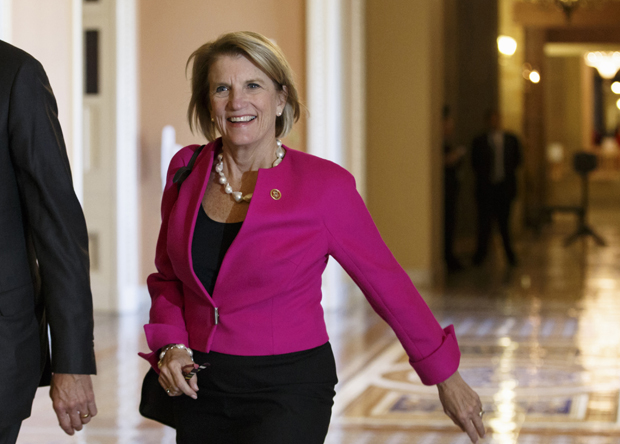
Capito easily defeated her opponent, Natalie Tennant, during the 2014 elections by capitalizing on the “war on coal” narrative in West Virginia. Tennant struggled to distance herself from President Obama’s coal policies in a state where energy is a top issue.
For this, Capito was provided a seat on the Senate Energy and Natural Resources committee and the Environment and Public Works committee, as well as the Appropriations and Rules and Administration committees.
Capito was first elected into the House of Representatives in 2000, and will be the first woman to represent West Virginia in the U.S. Senate.
Joni Ernst, R-Iowa
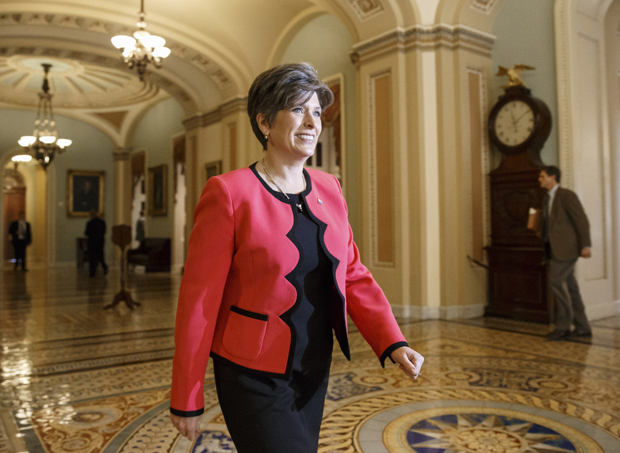
Ernst is the first woman elected to the U.S. Senate from the state of Iowa, and will naturally serve on the Senate Agriculture, Nutrition and Forestry committee. Her background in the Iowa Army National Guard also gained her a seat on the Senate Armed Services committee. She will also serve on the Homeland Security and Governmental Affairs as well as the Small Business and Entrepreneurship committees.
Ernst was on the receiving end of sexist remarks during her campaign, with an ad from her opponent, Rep. Bruce Braley, using an image of a chick.
Barbara Comstock, R-Va.
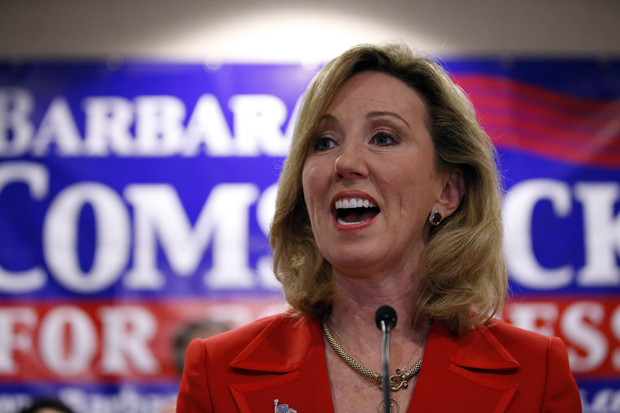
Comstock faced an uphill battle in Northern Virginia, which is becoming increasingly Democratic, but the popular and politically savvy Virginia delegate was able to best her opponent, Democrat John Foust.
Comstock was targeted by the Clinton machine because of her role as an opposition researcher against President Clinton in the 1990s. Her opponent claimed she had never had a “real job.”
Comstock will serve on the House Transportation committee, the only Virginian on a committee handling traffic — something the new congresswoman knows all too well living in Northern Virginia.
Elise Stefanik, R-N.Y.

Stefanik is the youngest woman ever elected to Congress after defeating her opponent, documentary film producer Aaron Woolf. She is reportedly serving on the powerful House Armed Services Committee.
Stefanik faced multiple sexist remarks from Woolf and his campaign, and she handled them with the grace and composure of a seasoned politician.
Mia Love, R-Utah
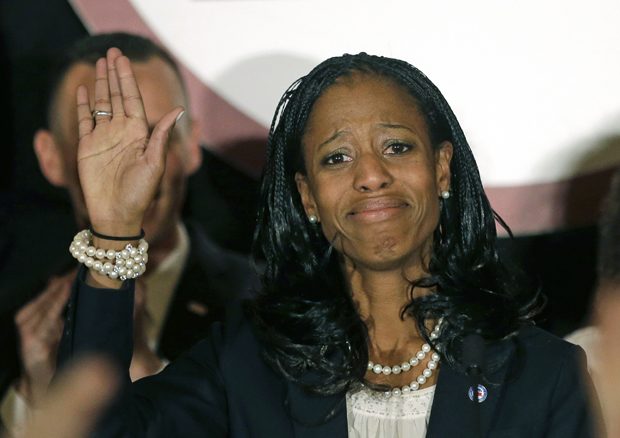
Love won her second attempt at a congressional seat, making her the first black Republican woman in Congress as well as the first Haitian-American representative. She has since been labeled “the new racial conscience of the GOP” by the Washington Post’s Nia-Malika Henderson.
Love had already gained a dedicated following in the conservative movement as a firebrand for her steadfast support for conservative principles.
Mimi Walters, R-Calif.
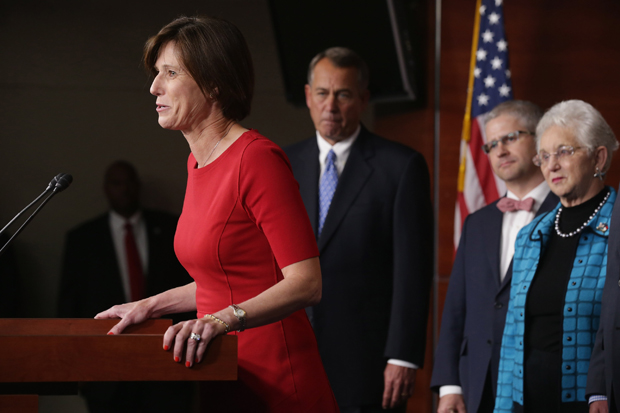
Walters is the only Republican congresswoman from California and was elected to GOP leadership as representative for the freshman class.
Walters has been in the state Senate since 2008, and previously worked as an executive at an investment-banking firm.
Martha McSally, R-Ariz.
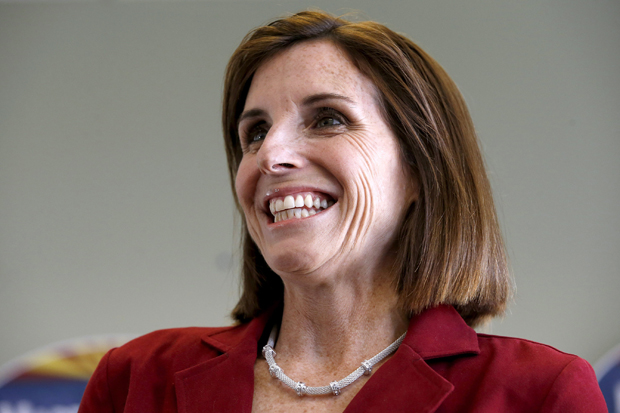
McSally is a retired Air Force officer and the first woman to fly in combat.
McSally should be a hero of the Right when it comes to gender issues. In 2002, she sued then-Defense Secretary Donald Rumsfeld for requiring female military personnel in Afghanistan to adhere to local customs — for example, to wear a head-to-toe covering, not drive automobiles, sit in the back seat and always be accompanied by a man. At the time, McSally was supported by feminists.
An earlier version of this article appeared in the aftermath of the 2014 elections.
