

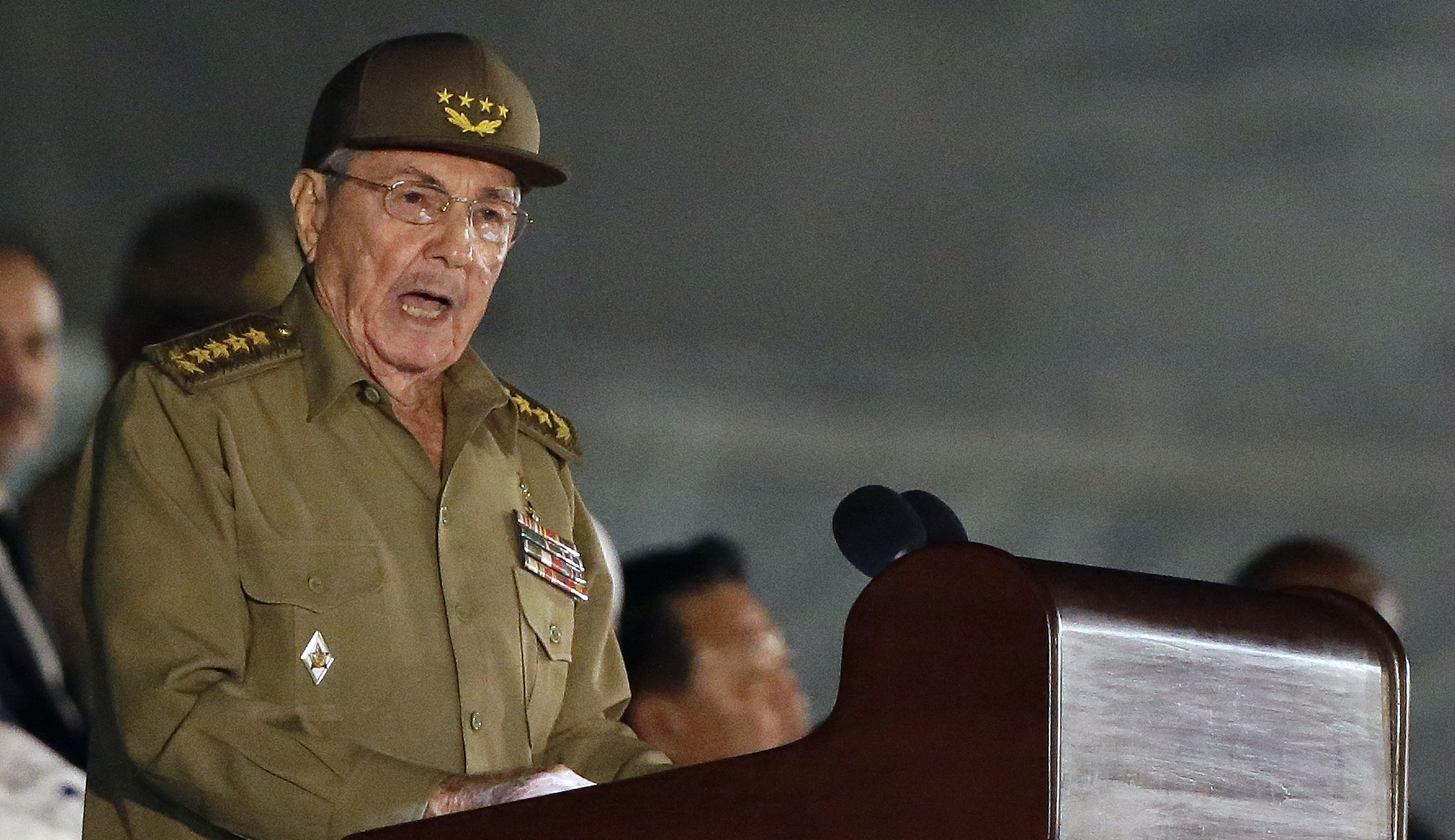
Cuba’s Castro regime did more than reorient the country’s entire economic, social, and political systems. It birthed an activist foreign policy that saw the little nation play a large role in the world—the effects of which we are still living with today.
The Castro government uses its spy service — the Dirección de Inteligencia (DI), formerly the Dirrección General de Inteligencia (DGI) — to project power far from Cuban shores. Like its Soviet forebears, under whose auspices it was created in 1961, Castro’s intelligence services bolstered terrorist groups.
Stay informed.Stay ahead.
Join Washington Examiner for unlimited access to the news, analysis, and commentary that matter most.
See Options
Already a member? Log in
Print subscriber? Click here to login/register your account
Digital subscriber? Click here to login/register your account.
