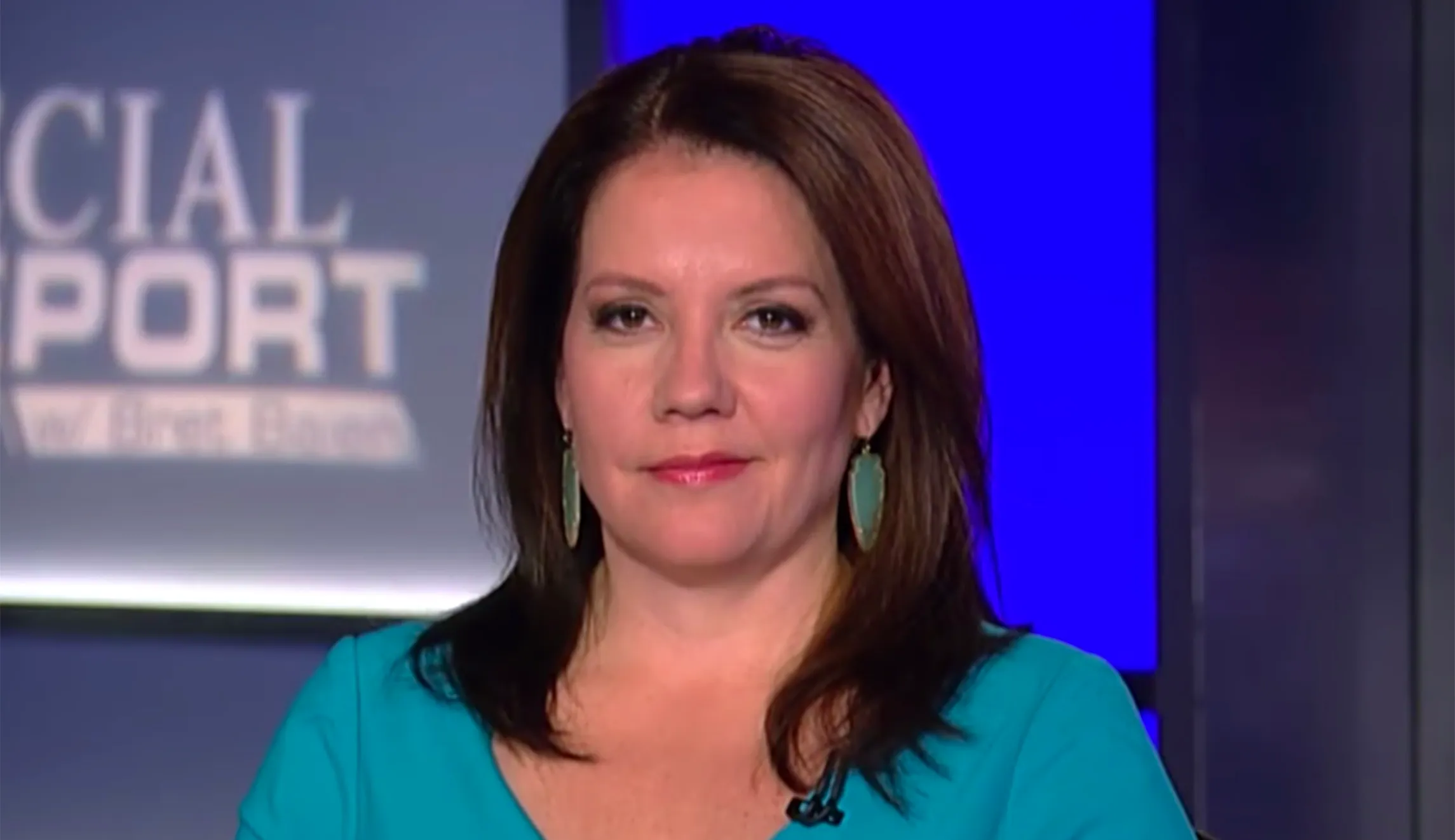
Hillsdale College is serving its students and journalism at large by recruiting the Federalist’s Mollie Hemingway to teach journalism.
Hemingway has rightly earned plaudits for her eloquent scrutiny of the Mueller investigation and media coverage of the same. While I strongly disagree with Hemingway on some of these issues, she has been proven more right more often over the past two years than the vast majority of other journalists in America.
The fact is, we need more diverse media coverage that makes people think. In 2016, reflexive support for Hillary Clinton distracted most reporters from Donald Trump’s rise to power. Between 2017-2019, we were told that Trump and all his administration were going to be brought down by special counsel Robert Mueller. And now that this reporting has been debunked, we see the very journalists who presented it patting themselves on the back. Which is kind of like Titanic’s entertainment supervisor reacting to the iceberg collision with the words, “Come and be merry, I have succeeded in restocking the bar supply of ice.”
So, no, recent journalistic failures have not had a positive introspective effect.
The journalism profession must endeavor to do better. While objective news reporters are rightly regarded as the most important in the journalistic profession, too few are sufficiently objective. Too few have gone through the rigorous objectivity education and standards, for example, that BBC News — albeit imperfectly — applies. Hopefully that will change, but even if it does, it will take time.
But what do we do until that change we can believe in? How can we deliver more informative and less ideologically tainted coverage to the public? I think the answer is to offer a more pluralistic array of informed analysis. That means raising the profile of journalists who sit at the margin of investigative journalism and analysis. With their ideological biases open and understood, the best of these journalists spark original thinking that motivates observers to do their own research and form their own assessments.
Hemingway is one of the very best here. As with Christopher Hitchens, even when you disagree with Hemingway, you have to listen to her. Recognizing Hemingway’s penchant for seizing the heart of an issue, Hillsdale also notes that its students need educations that challenge them to think. Yes, students will have to read around what Hemingway says. But they’ll learn a lot from her. And maybe, just maybe, some will enter the same field. That would be good for America.
That would be good for journalism: delivering more knowledge and curiosity to more Americans. Hillsdale has set an example here for recruitment in journalistic education.
[Also read: NYU’s journalism school is now hiring from the gutter]