

“One person’s trash is another person’s treasure.” How many times have we heard this expression?
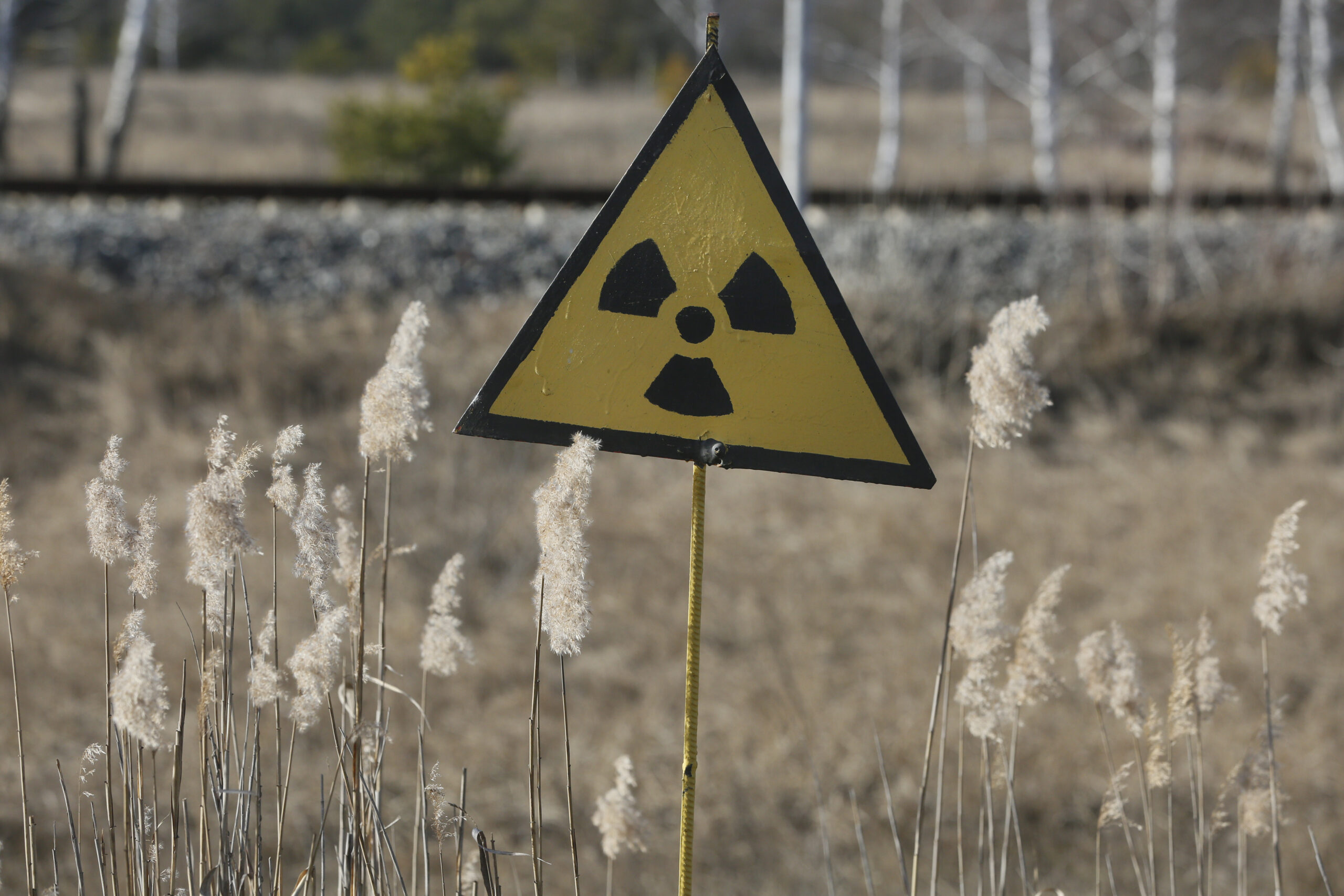
There are endless polarizing debates including how and where to store nuclear waste safely for 10,000-plus years (due to radiation levels harmful to humans). But little attention is given to the fact that only 4% of the energy value has been consumed from our used nuclear fuel, which is actually a national treasure. In fact, the amount of untapped energy in America’s used nuclear fuel could power the world for almost 20 years. That’s the motherlode of clean energy.
Recommended Stories


So how do we tap into this fantastic clean energy source? It’s clear as day: We recycle it.
Through already established technologies, we can turn a 10,000-year problem into a manageable 300-year project. Such action would offer a reevaluated opportunity for nuclear energy and give our nation a chance in meeting our climate goals. Unlike geologic repositories and interim storage, recycling de-risks nuclear energy buildup and ensures a cleaner planet for all humanity.
Don’t take my word for it — just ask the French, the Russians, or the Chinese. These countries don’t have problems with nuclear waste because they don’t have nuclear waste holding them back. Neither should we.
Over the next 15 years, China has claimed to be investing $440 billion in nuclear infrastructure development. Because once you solve the nuclear waste problem, anything is possible.
And the value proposition doesn’t end there. In a classic trash-to-treasure story, a single recycling plant the size of a football field can literally produce 40% of our nation’s current nuclear fuel requirements. Doing so puts the United States back on the playing field and boosts our efforts to reestablish our critical nuclear infrastructure. In concert with current uranium miners and enrichment facilities, a nuclear recycling facility rationalizes additional investment in nuclear fuel production and decouples us from Russian and Chinese dependence. American energy independence is absolutely attainable through this process of recycling nuclear waste.
Looking back, there were huge implications and consequences for our decision as a nation to forgo recycling. Today, waste ranks as the primary cause of public opposition to nuclear power. Twelve states have moratoriums on nuclear facility construction. There is no doubt that yesterday’s nuclear waste is holding back the nuclear reactors of tomorrow.
The good news is the Department of Energy is already committed to supporting the buildup of next-generation reactors. The bad news is that under current U.S. law, we continue to classify a valuable treasure as waste and completely ignore the vast potential for clean energy production and so much more.
This leaves us with a choice: We can either saddle future generations with a huge unresolved problem or take the logical step to recycle and offer a future of clean energy, abundance, and prosperity.
Our current energy demand and future projections should provide the road map for whether to treat this material as trash or treasure. As I mentioned, France has been recycling nuclear fuel for over 30 years, so what are we waiting for? The U.S. nuclear energy sector has the know-how, technology, and the companies to utilize this treasure effectively as well. All it takes is the will to address used nuclear fuel for what it is: one of the greatest assets of this generation.
Nuclear power is without a doubt the most reliable clean source of energy to power our nation. With recycling as the bedrock of the second nuclear era, America can offer a clean, safe, secure future.
Ed McGinnis, a 30-year veteran of the Department of Energy and former assistant secretary of the Office of Nuclear Energy, is CEO of Curio.
