

Would you rather spend money bailing out unprofitable power plants or solving real threats to national security? I bet most Americans would choose the latter, but unfortunately that is not the direction that the Trump administration is taking when it comes to a system that directly impacts every one of us – the electricity grid.
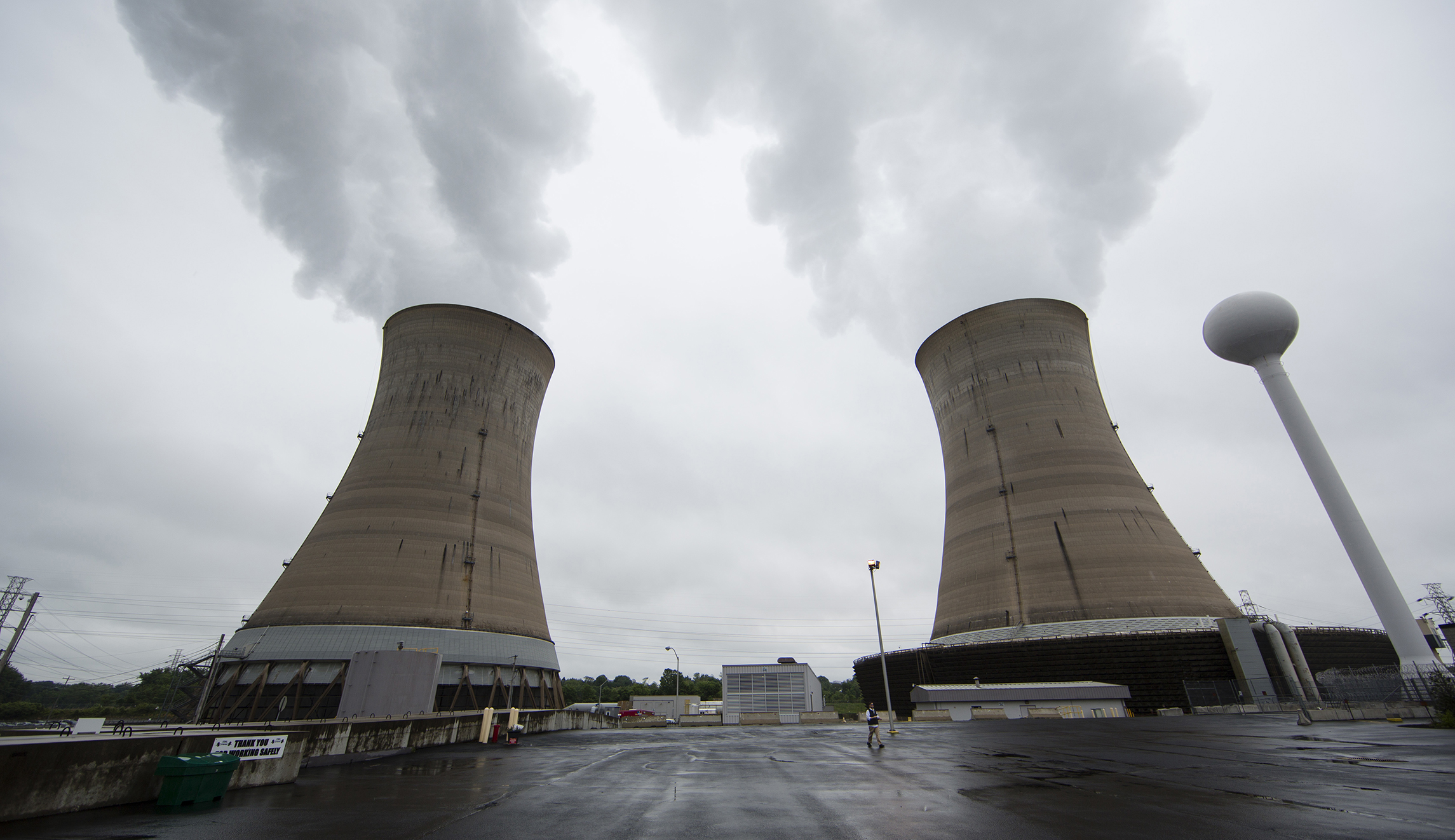
President Trump has been trying to find ways to save the struggling coal industry since taking office. On Thursday night, Bloomberg reported that the Department of Energy plans to invoke two rarely-used emergency statutes to require grid operators to purchase electricity from unprofitable coal and nuclear plants. The intervention is intended as a “stop-gap measure” while the DOE takes two years to study threats to the energy system.
Recommended Stories



This follows a request last month from bankrupt power producer FirstEnergy Solutions, calling on the DOE to use one of those rare emergency orders to save its struggling coal and nuclear plants. And last year, Energy Secretary Rick Perry, citing economic and national security, proposed a rule for federal regulators that would have shielded certain coal and nuclear power plants from the competitive market – a rule the regulators ultimately rejected.
These proposals would do little to protect national security, and are a distraction from other, more significant threats to the grid – notably severe weather and cyberattacks. Let’s consider cyber for a minute. The Department of Energy’s 2017 Quadrennial Energy Review stated that the grid faces “imminent danger” from cyberattack. In March, the FBI and the Department of Homeland Security issued an unprecedented alert, warning that Russian government hackers had undertaken cyber efforts targeting U.S. critical infrastructure, including nuclear power.
There is broad agreement that propping up unprofitable power plants is not the way to improve grid reliability and resilience. Just last month, Mid-Atlantic grid operator PJM reported that the closure of FirstEnergy’s nuclear power plants in the region by 2021 will not threaten grid reliability and stability. The truth is that more than 90 percent of all outages are the result of failures in electricity transmission and distribution systems – the wires that deliver electricity – not power plants.
And while proponents have focused on the amount of fuel that power plants have on site as the measure of a plant’s value to grid resilience, a recent study of DOE data found that between 2012 and 2016 only 0.00007 percent of all hours in which customers lost electric service were due to fuel emergencies or deficiencies at power plants. That’s less than one hour of outages in a million.
Now compare the size of this minuscule problem to the cost of solving it. According to one estimate Secretary Perry’s proposed rule would have cost ratepayers in states covered by PJM up to $288 billion over ten years. A separate study estimated that payments to coal and nuclear plants could have amounted to $11.2 billion per year. Given the scope of risk the funding would address, that’s not much bang for the buck.
The real challenge the administration should focus on is how to improve energy resilience at military bases and other critical infrastructure, so the lights stay on even when the grid goes down. Earlier this year, the Department of Energy set up a new office of Cybersecurity, Energy Security, and Emergency Response to focus on real threats to the grid.
That is a step in the right direction. This bailout, on the other hand, is a useless distraction.
Joe Bryan is a senior fellow at the Atlantic Council’s Global Energy Center and a former Deputy Assistant Secretary of the Navy for Energy.
