
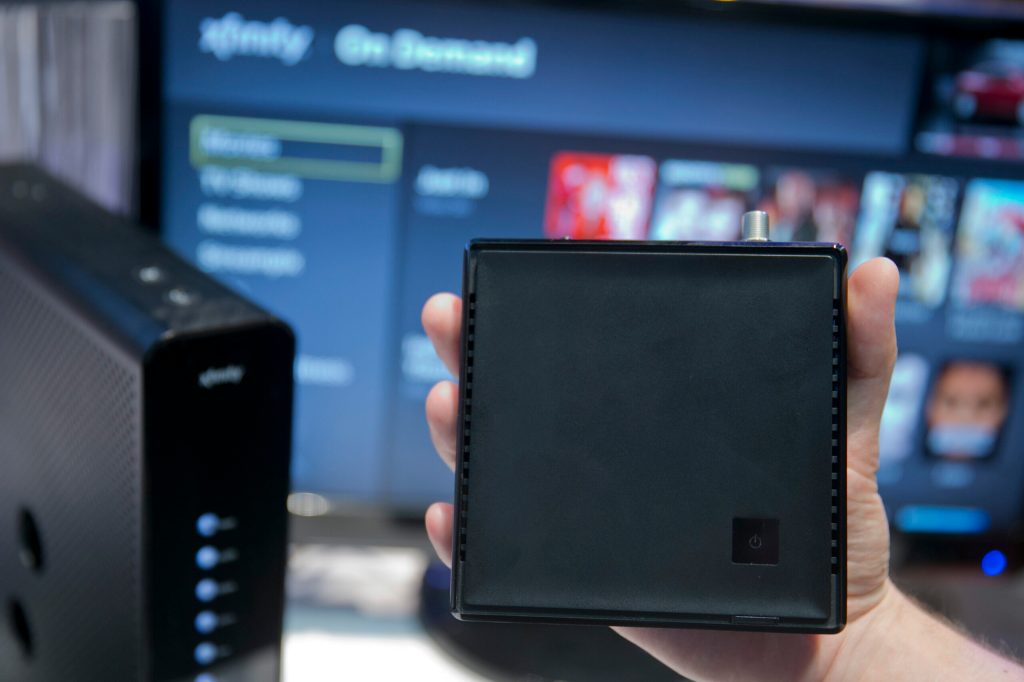
Twenty years ago it was an uphill battle to give African Americans access to previously unavailable video programming in education, health, culture and politics. Despite the challenge, I founded the Black Education Network, just as passionate then as I remain today that there was a desire for uplifting and diverse programming and that it would be beneficial inside black households.
Black Entertainment Television, then primarily a music and comedy channel, was the single alternative. In my mind this was simply not acceptable. Families deserved more choices. But in 1996 cable systems made it virtually impossible to enter, and in 2016 the outdated cable box model continues to exert massive control over what kind of video programming African Americans can watch on their televisions. Considering how technology has advanced with streaming services and smart TVs, it shouldn’t be this way, and the Federal Communications Commission now has an opportunity to finally fix this problem.
Real journalism.Trusted by millions.
Unlimited access to in-depth reporting, expert analysis, and the stories that shape our country.
Already a member? Log in