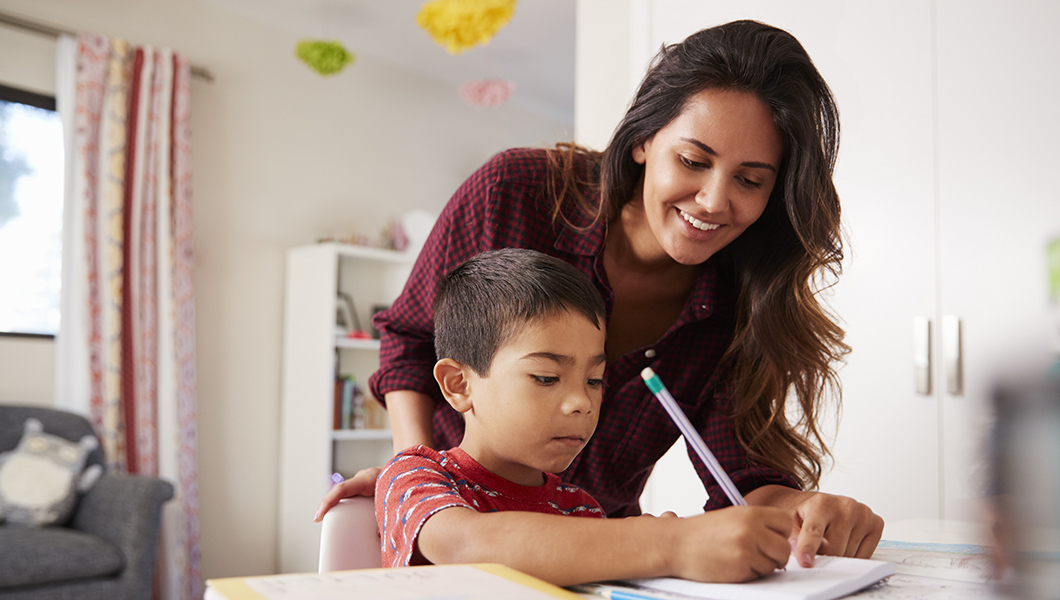
Parents learn that educating their children is an art, not a science

By
Published May 2, 2020 4:00am ET


Across the nation, the pressure to achieve perfection is at an all-time high as parents work to fill the hole left by school closures amid the coronavirus pandemic. At-home learning seems like an obtuse, distant concept to many parents who fear their lack of training will set their child on a path for failure. But parents who feel this way should give themselves more credit. While the task of instruction has long been delegated to teachers, many are quick to forget parents are the most natural teachers of their kids.

From the first days of a child’s life, the parent is his or her primary educator. A lot of teaching happens outside the classroom, and some of the most important lessons are taught by parents at home.

Today, parents run the risk of delegating the task of educating their children too early, or too much. As a former teacher and school principal, I met many parents who felt that their children’s previous school had held them at arm’s length. Lunch, after school care, and daily instruction were all handled by the school, which left parents feeling shut out of the process. The school’s message had always been, “We know better.”

But that’s all backward: schools should work to invite parents in, to recognize the essential role that parents play. When educators speak as experts and invoke their technical knowledge, they push parents away.

Now, with COVID-19, parents are the ones at home with their children, and teachers are remote participants in the process. Students are at home with the people who were their first teachers.

Even before the pandemic, many parents felt overwhelmed, especially those who juggle their own professional lives with the demands of raising children. It’s understandable.

But participating in a child’s education doesn’t require hours of preparation. There are simple steps parents can take to get involved. First, we can simply ask questions of our children — and make them good questions. A child’s curiosity is a powerful thing, and thoughtful questions show a child that a parent is interested while encouraging deeper thinking. Second, we can read with our children, choosing real books, not fluffy ones. Find some great stories and take the time to read them to and with children. It’s a process you’ll enjoy and one that will have a real impact on your children.

Parents, you are not in this alone. You can do this. The education of your children belongs to you, and it always has.

Kathleen O’Toole is the Assistant Provost for K-12 Education at Hillsdale College, which produces free resources to help parents and teachers bring classical education back into America’s schools.
