
Russia’s deployment of two Tu-160 strategic bombers to Venezuela is unlikely to pose a threat to the United States. But those bombers should meet U.S. Air Force intercepts if they are flown toward U.S. air identification zones in the Gulf of Mexico or off Florida’s east coast.
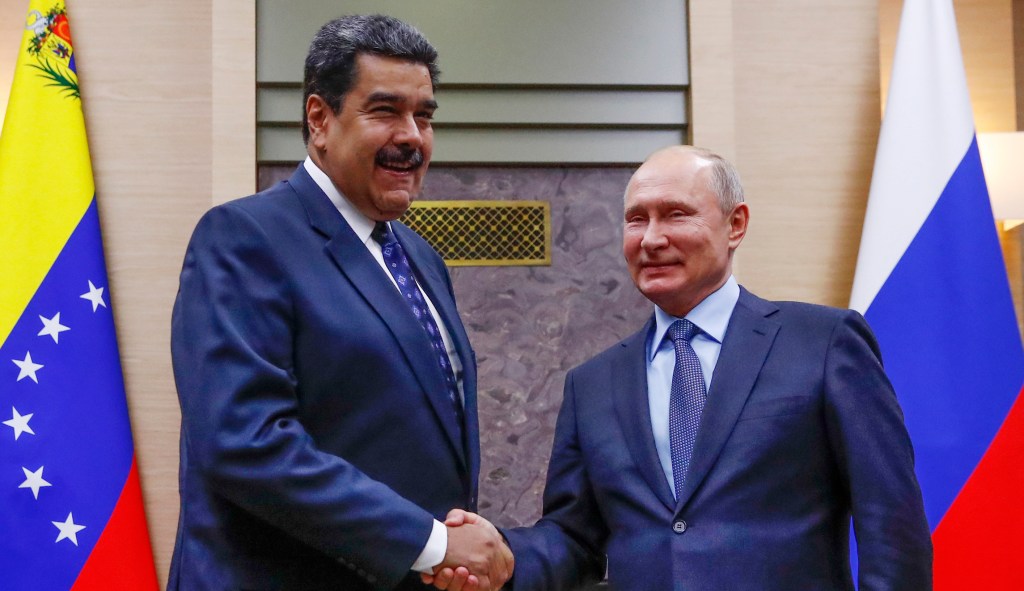
The key here is calibration. If Russia keeps the Tu-160s in the Caribbean Sea or to airspace off Venezuela’s coast, the U.S. should ignore them. To launch fighter intercepts in this scenario would be to give easy propaganda to Russia and Venezuela. The possibly psychotic Venezuelan president, Nicolas Maduro, is constantly whipping up his base with warnings of imminent “Yankee aggression.” As such, any U.S. military intercept off Venezuela’s territory would assist the despot rather than counter him. Instead, the U.S. should work alongside regional actors such as Colombia and Brazil to escalate diplomatic pressure on Maduro’s regime.
Real journalism.Trusted by millions.
Unlimited access to in-depth reporting, expert analysis, and the stories that shape our country.
Already a member? Log in