

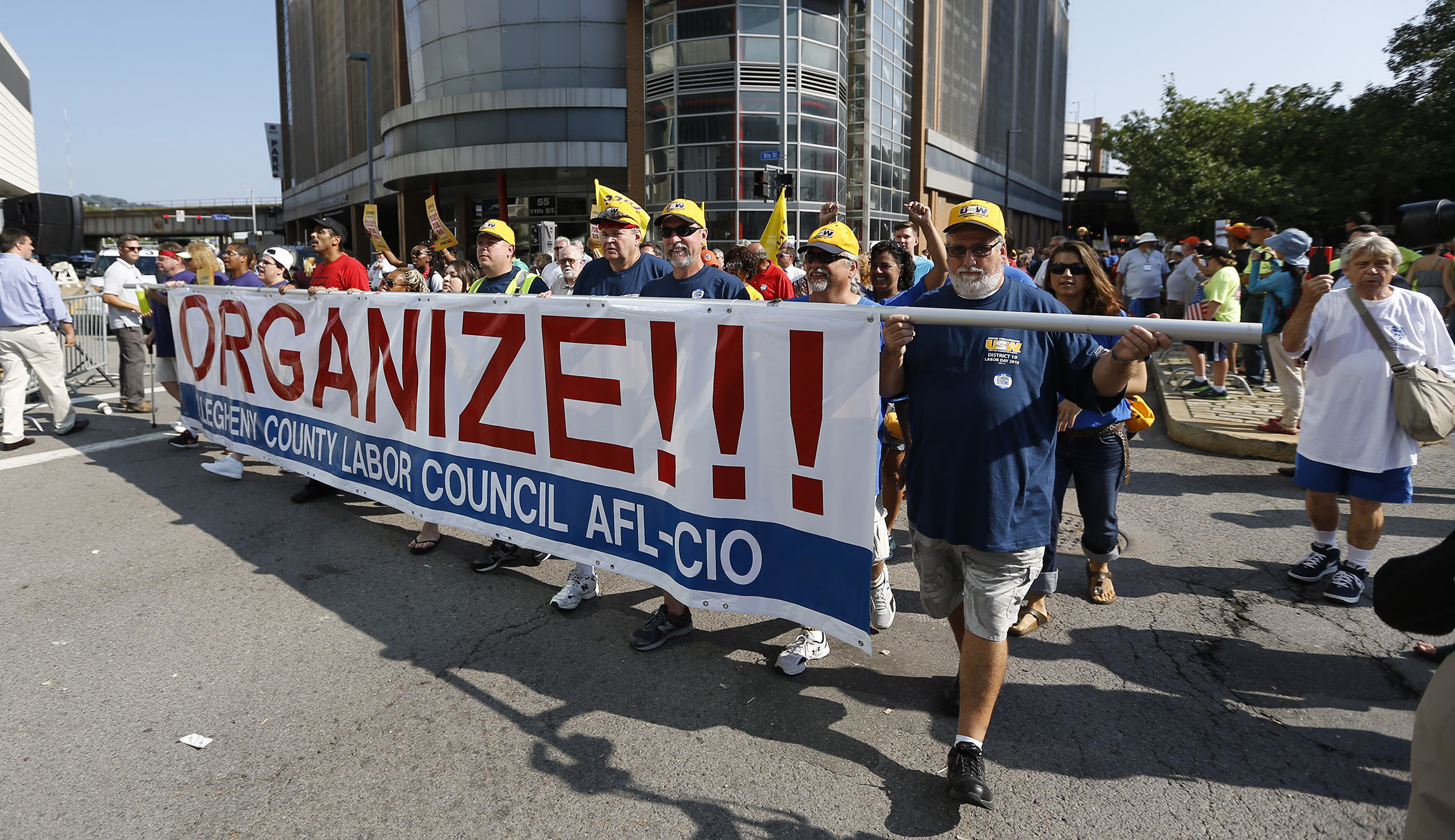
Americans are enjoying picnics, parades, and politicking. Another Labor Day is upon us, the time when we unofficially say so long to those lazy, crazy, hazy days of summer and hello to the start of the new school year.
You may not know it, but this particular Labor Day is special. This year marks Labor Day’s 125th anniversary as a federal holiday. It was a long road to achieving holiday status, too.
Recommended Stories


The organized labor movement began picking up steam in the years after the Civil War. The Industrial Revolution had produced working conditions that would make modern Americans cringe. As a result, trade unions began popping up as workers grew tired of being treated like feudal serfs rather than respected employees. Oregon became the first state to declare a Labor Day holiday in 1887. Other states followed suit, though each picked its own date for observing it.
A national holiday honoring the country’s working men and women had been kicked around since the early 1800s. Interestingly, two men with nearly identical last names each claimed to have put forth the idea of a holiday specifically observed in September.
Peter McGuire, an early American Federation of Labor vice president, said he proposed a “general holiday for the laboring classes” in the spring of 1882.
Another account traces the holiday’s roots to a big labor parade through New York City’s streets that September. It was sponsored by the Central Labor Union, whose secretary Matthew Maguire also said he put forth the idea.
It’s worth noting McGuire and Maguire both recommended an early September celebration. The timing was perfect, coming far enough after the Fourth of July and far enough away from Thanksgiving to avoid competition on the calendar. Perhaps most importantly, it was safely removed from the troublesome May 1, too.
Radical elements within the labor movement had already seized on that date. It later became International Workers’ Day and for decades was the biggest holiday of the year in the Soviet Union and other communist countries.
On top of that, the day was too close to the May 4 anniversary of the deadly labor-related 1886 Haymarket Riot. While Congress was willing to appease the growing labor movement with a holiday, it didn’t want to encourage socialists and anarchists, either. When President Grover Cleveland finally came out in support of an early September date, that was that. In 1894, Congress officially settled on the first Monday in September. Americans have been partying on that date ever since.
However, one early Labor Day-related idea did not catch on. Fifteen years after the holiday was established, the American Federation of Labor’s convention declared the day before the holiday as Labor Sunday. The idea was for Americans to spending it reflecting on the labor movement’s spiritual and education aspects. As it turned out, Americans were more interested in drinking beer at Labor Day picnics on Monday instead. So, Labor Sunday died a quiet death.
Whether you wear a white collar, a blue collar or, in this age of casual attire in the workplace, no collar at all while you work, here’s to all of us who power the economy through our daily labor. Just remember to put your white clothes back in the closet come Tuesday. That tradition, at least, hasn’t changed.
J. Mark Powell (@JMarkPowell) is a contributor to the Washington Examiner‘s Beltway Confidential blog. He’s VP of communications at Ivory Tusk Consulting, a South Carolina-based agency. A former broadcast journalist and government communicator, his “Holy Cow! History” column is available at jmarkpowell.com.
