

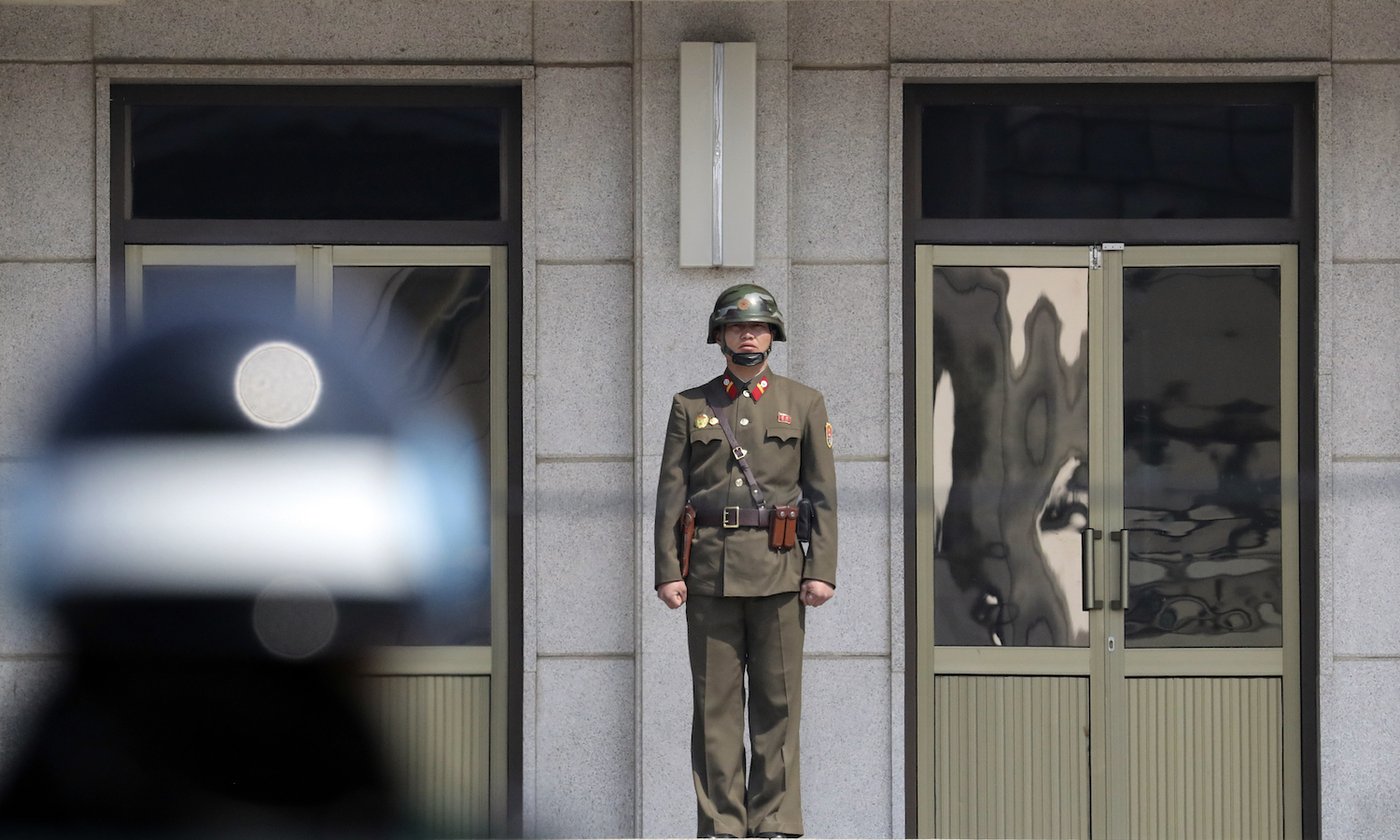
Now that former South Korean President Park Geun-hye has left office, the pendulum of South Korean politics is set to swing back to an era of liberal governance. If current polls and predictions hold, South Korea’s next president Moon Jae-in will push an agenda on the foreign policy front that will look with skepticism at the South Korean alliance with the United States, seek to placate Chinese sensibilities, and, most worryingly, attempt to realize rapprochement with North Korea. In other words, South Korea is about to experience, in Pyongyang propaganda parlance, a “thrice-cursed” period of geopolitical uncertainty and volatility.
The U.S.-South Korean partnership is one of the enduring crown jewels of the United States’ post-World War II efforts to establish a new liberal order that would sow the seeds of peace, stability, and democracy around the world. The U.S. and South Korea have mutually benefited from this alliance, with South Korea, in particular, under the protection afforded by the U.S. security umbrella, rising like a phoenix from the devastation of total war to the pinnacle of prosperity in just over a generation — a feat unprecedented in world history.
Stay informed.Stay ahead.
Join Washington Examiner for unlimited access to the news, analysis, and commentary that matter most.
Already a member? Log in
