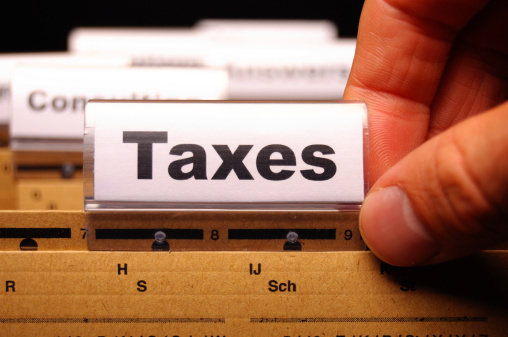
Some conservatives oppose Republicans cutting a deal to avert the “fiscal cliff” because they are convinced that the GOP would be in a better bargaining position if America went over it. Some of them would oppose cutting a deal, even if it means the outcome could be worse in the new year. According to this strain of thinking, Republicans made a commitment to voters not to raise taxes, defining a tax increase as any legislation that does not extend all current tax rates. They don’t want to break this pledge under any circumstances.
It’s this thought process that drove a critical mass of conservative members of the House of Representatives — many fearing potential primary challenges — to reject Speaker John Boehner’s “Plan B” approach, which would have protected all income below $1 million from a tax increase. These conservatives object to allowing taxes to go up for income beyond that.