

Direct democracy is inefficient and, ironically, sometimes even anti-democratic. Anyone who doubts this should take a closer look at the re-election circus that arrived this week in Florida and look at two counties in particular, Miami-Dade and Broward.
Since the election, officials in Miami-Dade have regularly worked through the night to ensure accurate voting tallies. Officials in Broward haven’t been so diligent. They refused to report back to the state as required by law. They clocked out early with work still left to do on Election Day. They mixed approved absentee ballots in with rejected absentee ballots.
Recommended Stories


With a Senate seat and the governor’s mansion on the line, Miami-Dade has been the picture of good government. They were more than halfway finished with their recount by Monday. Broward has been a national disgrace — they hadn’t even started.
What is the difference between the two counties? Why has Miami-Dade better protected the democratic process than Broward? For one, Miami-Dade picks its supervisors of elections by qualification, versus Broward, where the supervisor is picked in a popularity contest.
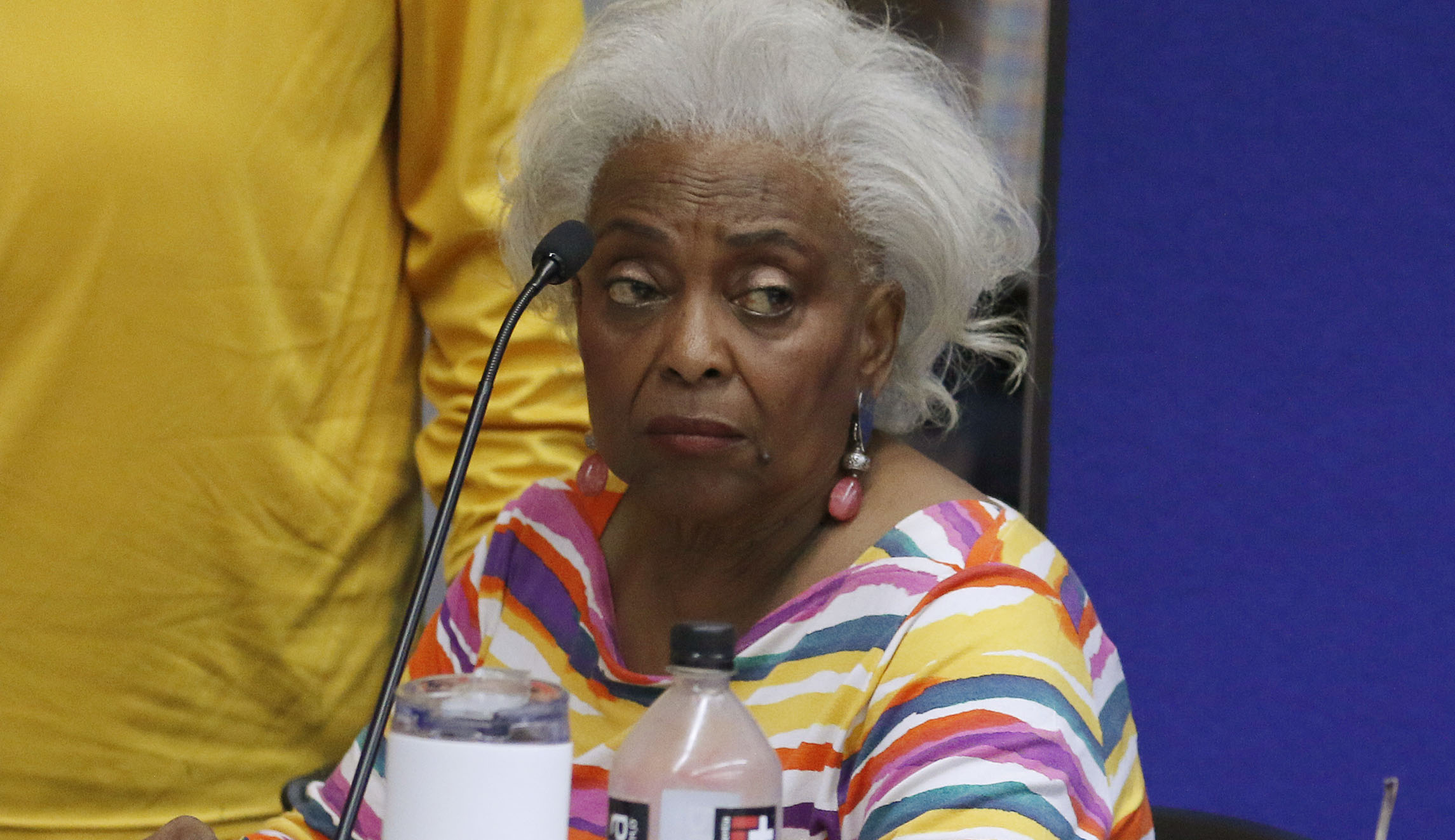
Brenda Snipes shouldn’t be allowed within 100 miles of a polling place, but the people of Broward keep electing her election supervisor. Either they don’t remember how she lost between 6,000 and 58,000 absentee ballots ahead of the 2004 presidential election, or they don’t care about the time she broke the law in 2016 and prematurely destroyed ballots that were subject to an ongoing lawsuit. Snipes has been a train wreck for the better part of two decades. But somehow Snipes has been re-elected four times.
[Read more: Who is Broward County elections supervisor Brenda Snipes?]
Now Broward is suffering for their oversight. Because they didn’t bother to look closely, their county is the laughing stock of the nation once again, just like it was during the 2000 presidential election. Even worse, the people of Broward can’t be completely confident that their votes will accurately be counted.
Miami-Dade doesn’t have these troubles, in part because people don’t vote on the election supervisor directly. As the Miami-Herald reports with some pride, the election supervisor is appointed by the mayor, then confirmed by the County Commission. Miami-Dade Commissioner Jose “Pepe” Diaz has the job now and his county has none of the problems that plague Broward.
Before the secretary of state even ordered the recount, Diaz had his staff prep the machines. Knowing what was bound to come, they even won special permission to start the process early. Their nine high-speed counting machines were ready to roll and have been humming around the clock since the state gave the recount signal Saturday afternoon.
Granted, plenty of other counties with directly elected election supervisors have been working overtime. Those public servants have been serving with distinction — unlike Snipes, who has demonstrated a special capacity for incompetence. But even if Snipes is the exception, the extra level of infrastructure guards against needless and stupid mistakes.
Don’t misunderstand me: A special election czar is not needed and is not preferable. What is better is that the people who understand the business of elections have a direct hand in carrying them out. Miami-Dade got this right when they removed the election supervisor from the ballot and made it an appointed position. This is more efficient and this better protects the democratic process.
Voters in Miami didn’t blindly vote for a position they don’t understand fully. They weren’t given the chance. Instead, voters in Miami voted for a mayor and a county commission who they entrusted to put the right person in the position. By all accounts, Mayor Francis X. Suarez made a good decision when he appointed Diaz.
This won’t be the case for long though. In their infinite wisdom, the people of Florida approved a constitutional amendment this year that requires the direct election of election supervisors. They may have ensured future failures like the ones they are enduring in Broward right now.
