

Congress is wrapping up its last week of business before heading home for the holidays. Unfortunately, politicians in Washington appear ready to drop a few unpleasant surprises on taxpayers before the calendar hits 2020. The D.C.-backed surprises of particular concern are ones that purport to address prescription drug costs or surprise medical bills.
It’s not terribly surprising that Congress feels pressure to act on these issues. People overwhelmingly believe both parties are not doing enough on prescription drug costs. It’s no wonder why people hate surprise medical bills and worry about them, given that some patients have been charged thousands of dollars in these scenarios.
Recommended Stories


But that doesn’t mean patients and taxpayers should accept a surprise legislative bill, jammed into a huge, end-of-year government spending package that could make the landscape for prescription drugs or surprise bills even worse. Indeed, the leading provisions that would address “surprise billing” involve moderate to severe government price controls — and price controls never work for consumers or patients.
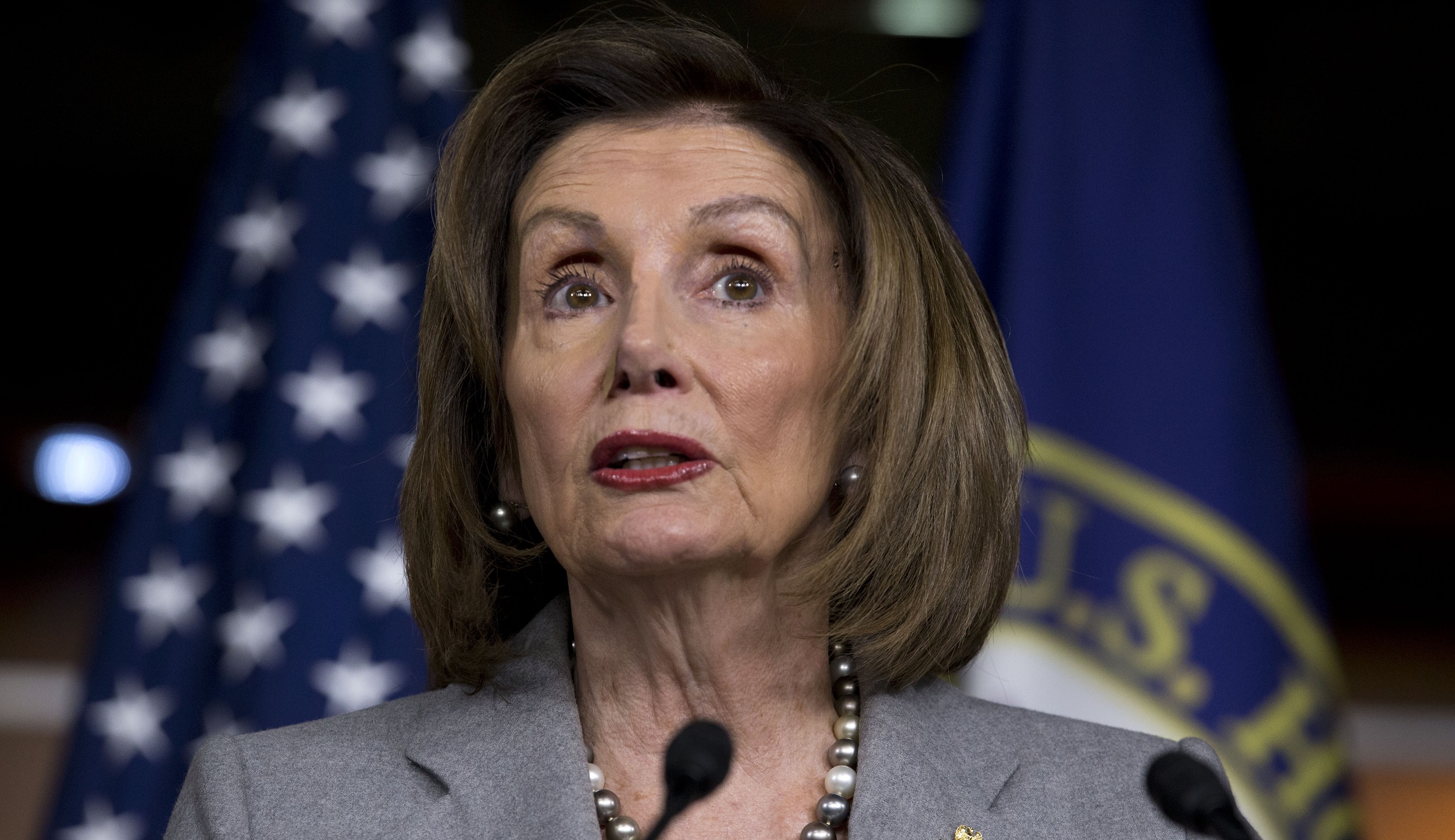
The House of Representatives just passed H.R. 3, House Speaker Nancy Pelosi’s prescription drug pricing bill. The bill is a grab bag of heavy-handed government interventions in the biopharmaceutical industry. The Congressional Budget Office estimates that these forced price negotiations and punitive taxes will lead to eight to 15 fewer cures coming to market over the next decade.
Even less onerous proposals have their pitfalls, though. The Senate is focused on S. 1895, the Lower Health Care Costs Act. While there are a few aspects of S. 1895 worth passing into law, such as modernizing the lists of approved treatments, some provisions of S. 1895 may have unintended negative consequences on drug prices for patients.
For instance, Section 407 of the latest version of the bill would hurt generic drug manufacturers by starting the six-month clock on their exclusivity period after 33 months — even if they have not yet received FDA approval. Similar legislation that passed the House, the BLOCKING Act (H.R. 938), would start the clock after 30 months.
While this is meant to avoid application “parking,” a legitimate concern, what it would do in practice is punish some generic manufacturers for the bureaucratic delays caused by the lengthy FDA approval process.
It’s worth keeping in mind that the generic drug approval process took 37 months on average in 2017. That means generic manufacturers’ exclusivity rights would be shorter than the average time it takes to get generic drugs approved by the FDA. This would penalize many generic manufacturers that are simply caught in the lengthy FDA approval process. And fewer generic drugs eventually means higher costs for patients and taxpayers.
The Lower Health Care Costs Act has been subject to considerable debate in the Senate. However, discussion over Section 407 has been drowned out by more contentious battles over surprise billing and more expansive drug pricing legislation like Pelosi’s bill, H.R. 3. It would be a mistake for Congress to jam the Lower Health Care Costs Act or the BLOCKING Act into a year-end piece of legislation, where an important policy issue would likely be overlooked.
Congress can legislate on the issues of drug prices and surprise billing in a thoughtful manner that still delivers relief to patients in early 2020. If they force big-government proposals into a spending bill, though, they risk creating confusion and disorder in a very short amount of time. This could have direct impacts on patient access to care and cures, and will ultimately come out of taxpayer and patient pockets. That would be the worst kind of surprise in a holiday season full of them.
Andrew Lautz is a policy and government affairs associate with the National Taxpayers Union.
