Four reasons Iran attacked Saudi Arabia

Published September 16, 2019 5:28pm ET


Why would Iran choose this weekend to launch an aggressive attack on Saudi Arabian oil facilities?

After all, until this weekend it was highly likely that President Trump would have met with Iranian President Hassan Rouhani at the United Nations General Assembly next week. That meeting would have given Iran hope of sanctions relief it desperately needs. But the attack has probably scuppered the prospect of talks. So why attack now?

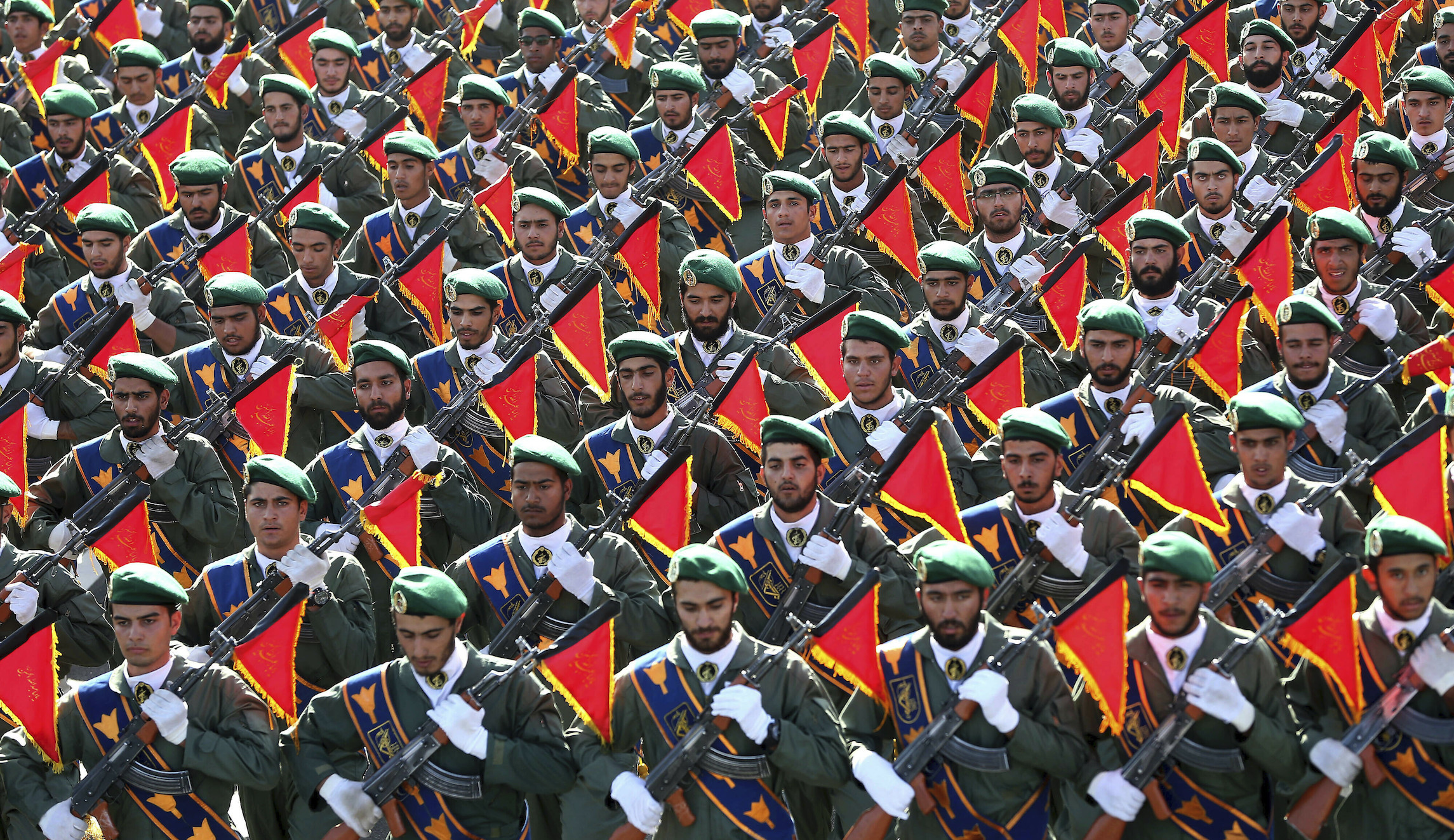
First off, because Iran’s Islamic Revolutionary Guard Corps-aligned hardliners hate Saudi Arabia.

Second, because the IRGC wants to test Trump.

Third, because this attack serves Iran’s own short-term economic interests.

Fourth, because the hardliners want to obstruct Rouhani from negotiating a new nuclear deal that would limit Iran’s ballistic missile and nuclear weapons agenda.

On the first count, we must keep focused to the pathological hatred with which the Iranian hardliners view Saudi Arabia. This hatred reaches back more than 1,300 years to the Battle of Karbala. There, the great schism between Shia and Sunni Islam was calcified by the Umayyad Caliphate’s execution of Shia hero Husayn ibn Ali. Iranian revolutionary theory rests on the ideal of a heroic struggle in Ali’s name. And part of this struggle entails eventually subjugating the Sunni monarchies under Iran’s Khomeinist ideology.

Iran views the Sunni monarchy, the most powerful heir to the Umayyad Caliphate, with special hatred. The IRGC has a standing reason to strike against it.

Then there’s the IRGC’s belief that Trump can be forced into concessions by a covert pressure campaign. Trump rightly did not respond with military action to Iran’s June downing of a U.S. drone. But while the United States has taken appropriate action against Iranian threats to U.S. warships, the IRGC hopes that Trump is fearful of a conflict. It therefore also hopes that Trump will view this weekend’s attack as a reason to make concessions and cool tensions. The IRGC embraces a careful calculation here: launching a destructive attack against U.S. interests, but not actually endangering U.S. lives.

Third, this attack serves Iran’s own short-term economic interests. The attack has sent the price of Brent crude up 12%. And while Iran is barred from selling most of its oil, it is able to sell some. At the margin, the price spike serves Iran’s ability to earn more revenue on its sales.

Finally, it is likely that the hardliners see this attack as a way to obstruct Rouhani from conceding anything to Trump. The key here is the two leaders’ prospective UN meeting. While Rouhani regards that meeting as a chance to rid Iran of U.S. sanctions, the hardliners fear that Rouhani might come out of the meeting with the framework for a new nuclear deal. The hardliners know that suffering Iranians will view a new deal positively, even if it includes prohibitive new safeguards against Iran’s ballistic missile and nuclear weapons programs. If Rouhani is able to build public favor for such a deal, Ayatollah Khamenei may break from the hardliners in support of it. In that sense, this attack serves as preemptive action. It encapsulates Clausewitz’s lesson that war is a continuation of politics by other means.

Of course, the hardliners know that if they push too far they risk not simply the prospect of sanctions relief, but also destructive U.S. military retaliation. What we’re seeing here is thus a careful effort to pressure Trump and Rouhani, but to keep open the avenue to sanctions relief on hardliner terms.

The nature of this attack on the U.S.-led international order is a stark reminder that the hardliners are aggressive American adversaries, not afraid to escalate.
