

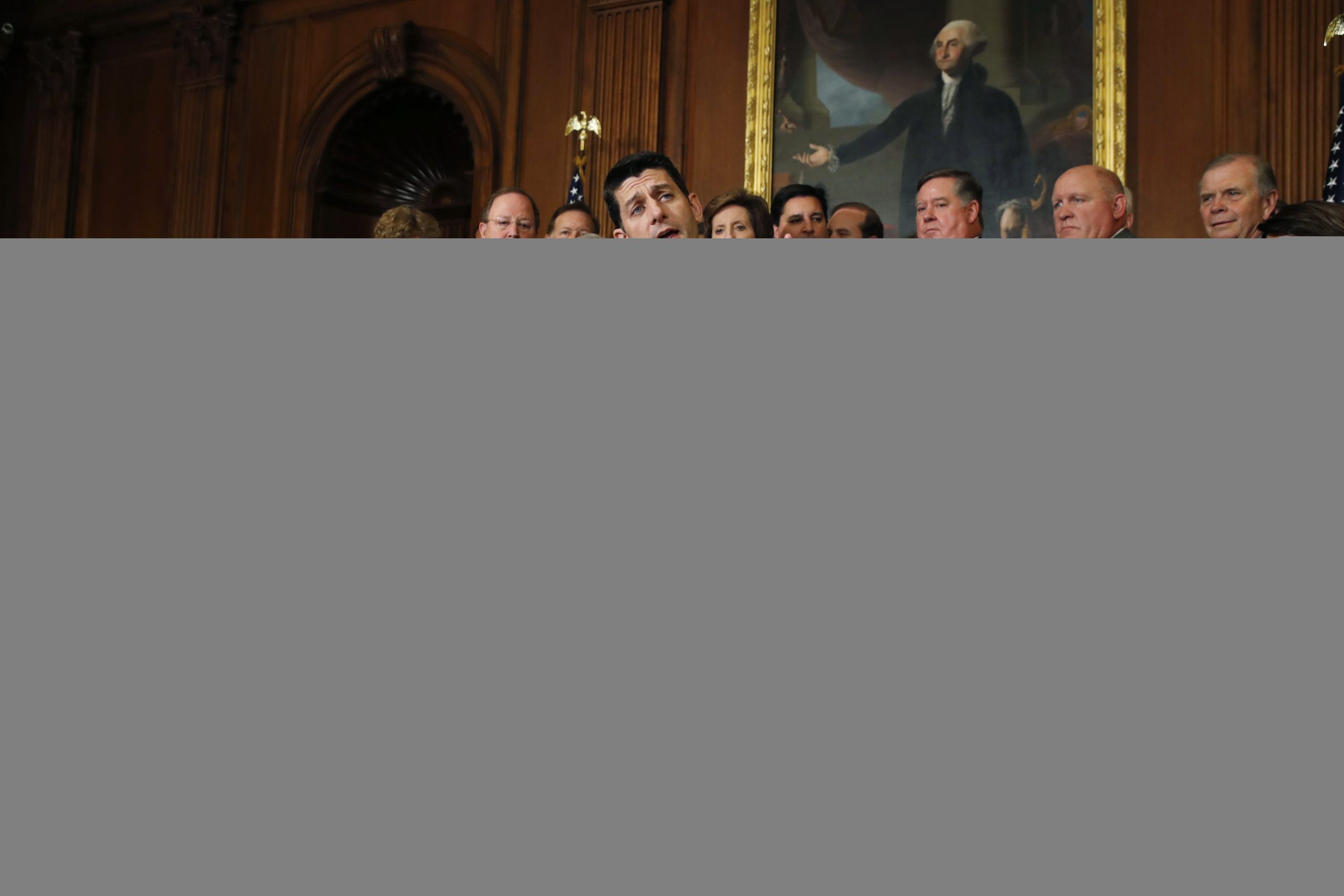
By all accounts, the House of Representatives will consider what Beltway types are referring to as “Tax Reform 2.0” sometime before the scheduled August recess. While legislating in an election year is always difficult, this exercise is a good one in that it lays the groundwork for how the GOP Congress would like to build on the successes and correct the deficiencies of the Tax Cuts and Jobs Act of 2017. One area that Tax Cuts 2.0 should focus on is finally, fully, and forever repealing the death tax.
There is no more unfair federal tax than the “estate, gift, and generation-skipping transfer” tax, better known as the “death tax.” Consider its effect: After working a lifetime and paying taxes every year, a successful business owner or family farmer passes away only for their family to discover that even more taxes are owed on after-tax savings and investments — often to be paid by laying off “close-as-family” employees or selling land and other assets. The death tax rate can run as high as 40 percent federally. In addition, 12 states plus the District of Columbia have their own state death taxes (median top rate, 16 percent), and six states have inheritance taxes (Maryland actually has both, incredibly).
Stay informed.Stay ahead.
Join Washington Examiner for unlimited access to the news, analysis, and commentary that matter most.
Already a member? Log in
