

The United Nations Security Council has generally been a feckless institution on the Syria file. The council’s ineptitude was exposed at the very start of the 12-year civil war. A body that was crafted out of the ashes of World War II to maintain international peace and security instead looked like a meaningless debating society, with Russia (often supported by China) on one side and the United States, Britain, and France on the other. Whenever the U.S. or its partners tried to present a resolution penalizing Syrian President Bashar Assad’s government, the Russians blocked it.
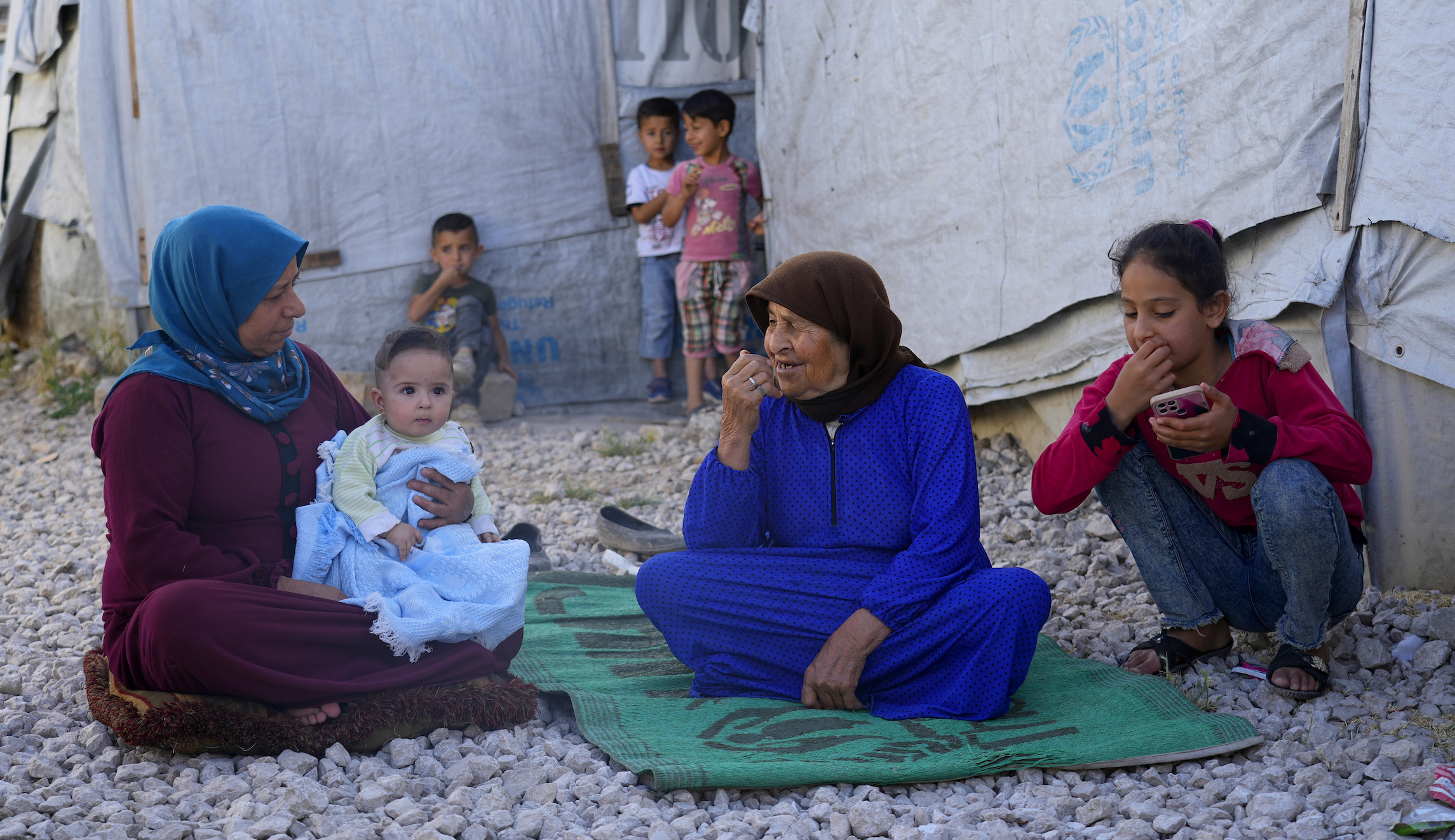
The one topic that was somewhat insulated from the council infighting was the provision of emergency relief supplies to vulnerable Syrians in non-government-controlled areas of the country. Washington and Moscow disagreed on pretty much everything with respect to Syria. However, ensuring millions of people didn’t starve to death or die from treatable diseases due to a lack of medicine was at least something the two could come together on. In 2014, the Security Council authorized U.N. agencies and humanitarian organizations to use four border crossings (two in Turkey, one in Iraq, and one in Jordan) to deliver humanitarian aid to Syrians who lived in opposition-held areas, whether Assad liked it or not.
Stay informed.Stay ahead.
Join Washington Examiner for unlimited access to the news, analysis, and commentary that matter most.
Already a member? Log in
