

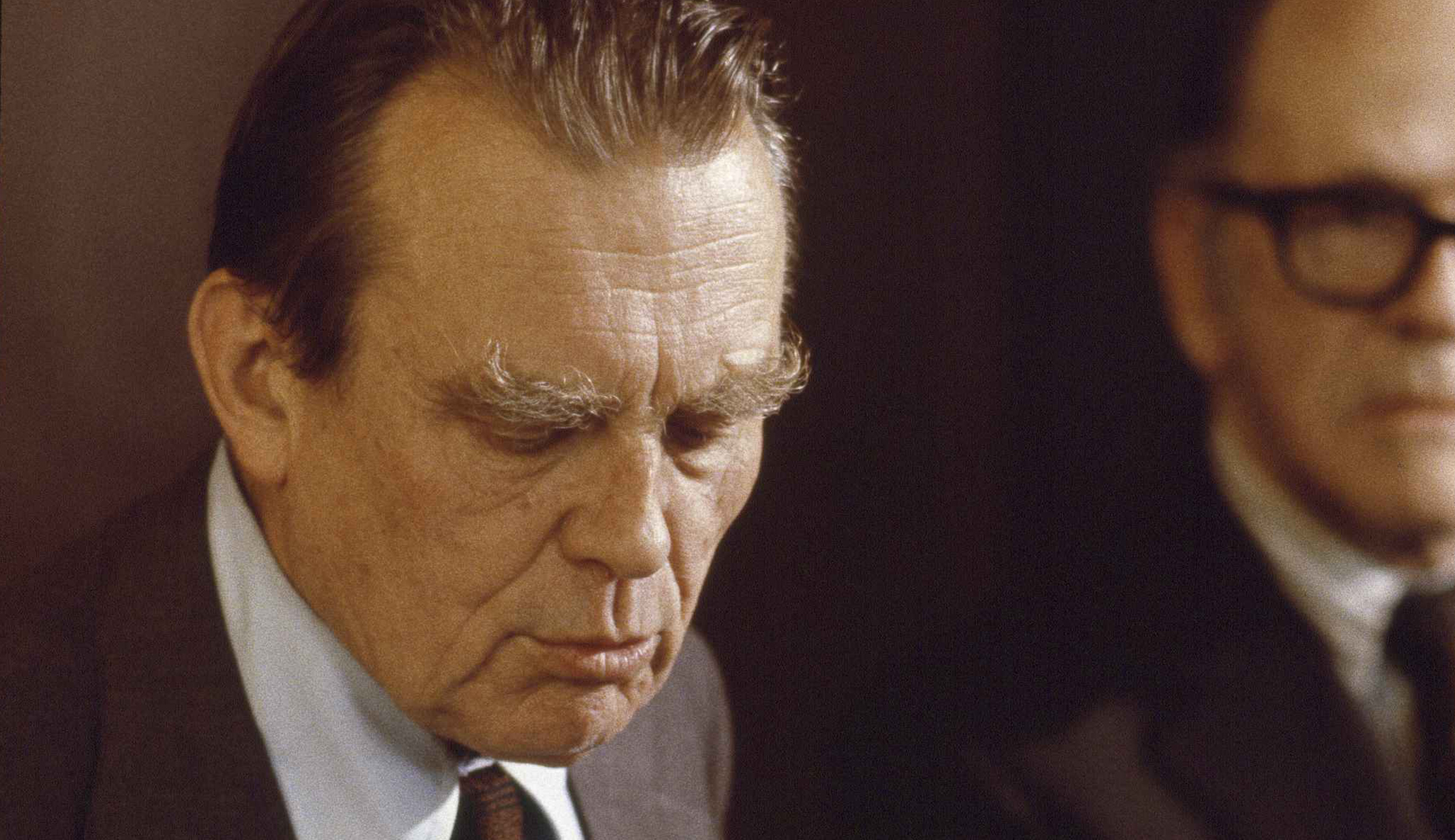
Perhaps Polish writer Czesław Miłosz’s most unsettling poem, “Campo dei Fiori,” compares the Warsaw Ghetto to Giordano Bruno’s execution. Just as Rome’s taverns were full even before the flames had died, so Warsaw’s citizens enjoyed carnival tunes and carousels outside the Ghetto. “The bright melody drowned / the salvos from the ghetto wall, /and couples were flying / high in the cloudless sky.” He had in fact witnessed that very sight when his tram carriage stopped outside the Ghetto while the Germans were extirpating the Uprising. “The wrenching irony of the poem,” writes Eva Hoffman in her new, sensitive study On Czesław Miłosz, “comes from the spectator’s utter indifference to the tragedy unfolding in such close proximity.”
Irony, Miłosz once remarked, is the slave’s weapon. Subjugated by successive tyrannies, Miłosz knew how to wield it. Here’s another irony: those who resisted totalitarianism most bravely tended to feel guilty because they hadn’t done more, while collaborators emerged with their egos intact. Camus, who supported Miłosz in his Parisian exile, had been a courageous member of the Resistance but spoke little of it; Sartre, who had done almost nothing, strutted about as if he had behaved heroically and viewed Miłosz and other Eastern Bloc émigrés as political embarrassments. In Nazi-occupied Warsaw, Miłosz sheltered Jews from the Gestapo, but he too felt troubled by guilt expressed, as Hoffman notes, in a poem where he calls himself “among the helpers of death: / The uncircumcised.”
Stay informed.Stay ahead.
Join Washington Examiner for unlimited access to the news, analysis, and commentary that matter most.
Already a member? Log in
