
Most writers who graduate from the subsistence level of their careers come to live inside the dream of something they haven’t written yet, will never write, and probably don’t have the ability to write. If the corpse of a poet rots in the attic of every notary, as Flaubert believed, then a writer’s crawl space is crammed with stories and people who were just too big or too hard for their overwhelmed spirits to transcribe. Every round of self-imposed busywork becomes part of a writer’s lifelong conspiracy to delay those greater works, putting the final verdict of mediocrity as far off in time and in mind as possible. They can accomplish this by futzing around on Twitter, or by writing mid-length book reviews for national political magazines.

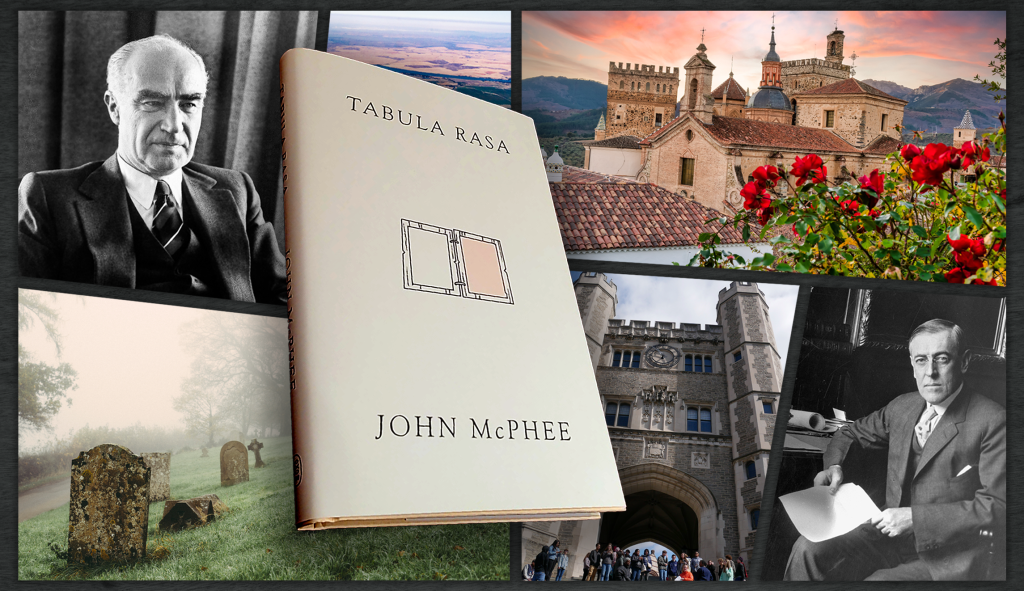
John McPhee, one of the demigods of postwar American nonfiction, is 92 years old. He knows that his self-reckoning can’t be put off any longer, and he has the honesty and the talent to share its results with the rest of us. The hopefully titled Tabula Rasa: Volume 1 is McPhee’s review of projects he considered or began but never completed. Here, McPhee gives a valedictory on his remarkable life by describing the things that even he couldn’t do. A memoir of working for Henry Luce, an account of a hypothetical container ship voyage through California’s inland delta, and the exploration of the unlived future of a dead friend from childhood only exist in this volume as three- to five-page precis of unwritten works.
Real journalism.Trusted by millions.
Unlimited access to in-depth reporting, expert analysis, and the stories that shape our country.
Already a member? Log in