

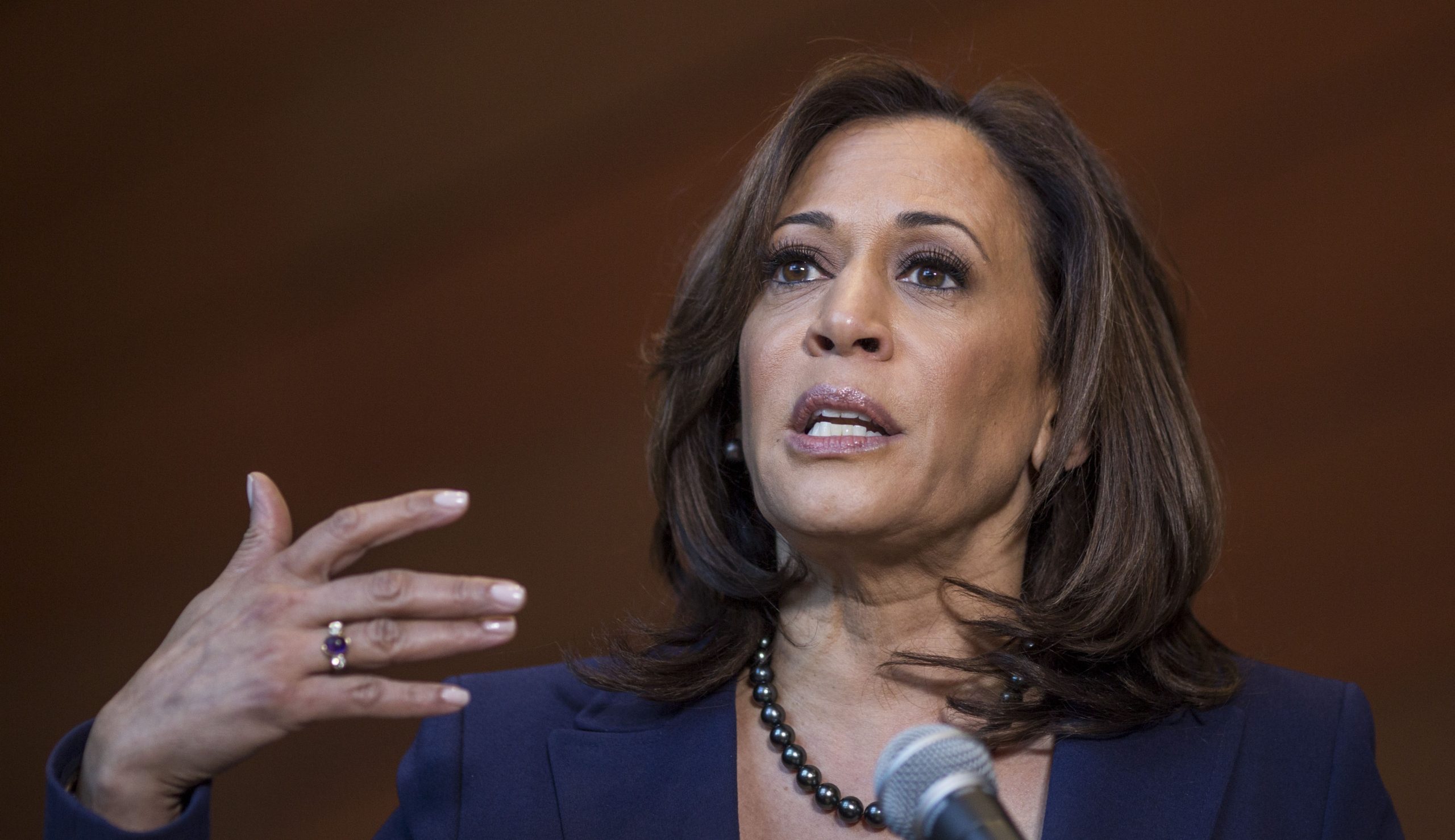
With the massive 2020 presidential campaign rollout from Sen. Kamala Harris, D-Calif., on Jan. 27 will come more talk of one of her policy proposals: the LIFT Act, a $500 monthly tax credit to help struggling working families. It is not quite a basic income, a sum of cash paid out monthly to citizens as a modern form of welfare and income redistribution, but it comes very close. Combined with the not-quite-basic-income proposal from candidate Sen. Cory Booker, D-N.J., — “baby bonds” that give $1,000 to newborns, and supplementary deposits to children of poorer families, that will grow to five figures by the time most are 18 years old — the idea of simple cash transfers or tax cuts as a cutting edge welfare policy is sure to be front and center from now through 2020.
Not just Democrats are interested in a basic income. Some call it the most libertarian of welfare systems, because of its presumed low administrative costs and lack of top-down moralizing — everyone gets a check of the same size every year. Prominent conservative/libertarian Charles Murray wrote a favorable book backed by just such reasoning. If there is a bipartisan idea to reform the welfare system in the U.S., the basic income is it.
Stay informed.Stay ahead.
Join Washington Examiner for unlimited access to the news, analysis, and commentary that matter most.
Already a member? Log in
