

This week, Newsweek ran a basic analysis of the Israeli-Iranian balance of power. It’s an important question in the context of growing regional tensions and specific tensions between Israel and Iran.
My take: In a full scale war between the two nations, Israel would impose such punitive costs on Iran that its government would have to choose between a cease fire and regime collapse. I believe the Israelis have three key advantages that would allow them to dominate Iran in the event of a major conflict.
Recommended Stories


First off, within a matter of two weeks, the Israelis could achieve effective dominance of the near-battlespace of Lebanon, Syria, and Gaza. The Iranian revolutionary guards would almost certainly want to use these locales to launch a range of missile attacks and ambush operations against Israeli soldiers and settlements. Yet since the 2006 Israel-Lebanon war the Israeli government has markedly improved its intelligence and targeting capabilities in these areas. That would allow Israeli aircraft and special operations forces to locate and capture or destroy Iranian-aligned rocket teams and facilitation networks – many of which are already known to the Israelis – so as to marginalize their ability to inflict Israeli casualties.
Second, the Israelis dominate Iran in relation to long-range strike capabilities. While Iran has missile platforms such as the Ghadr-110 and Shahab 3 that are capable of reaching Israeli soil, even the revolutionary guards know that Israel would regard any ballistic missile attack as a major escalation, and respond with much greater force. The Israelis would almost certainly retaliate by striking Iranian command and control targets in Tehran and likely also Iran’s nuclear infrastructure. Cognizant of their unreliable missile targeting systems, the Iranians may also fear inadvertently hitting the al-Asqa mosque in Jerusalem.
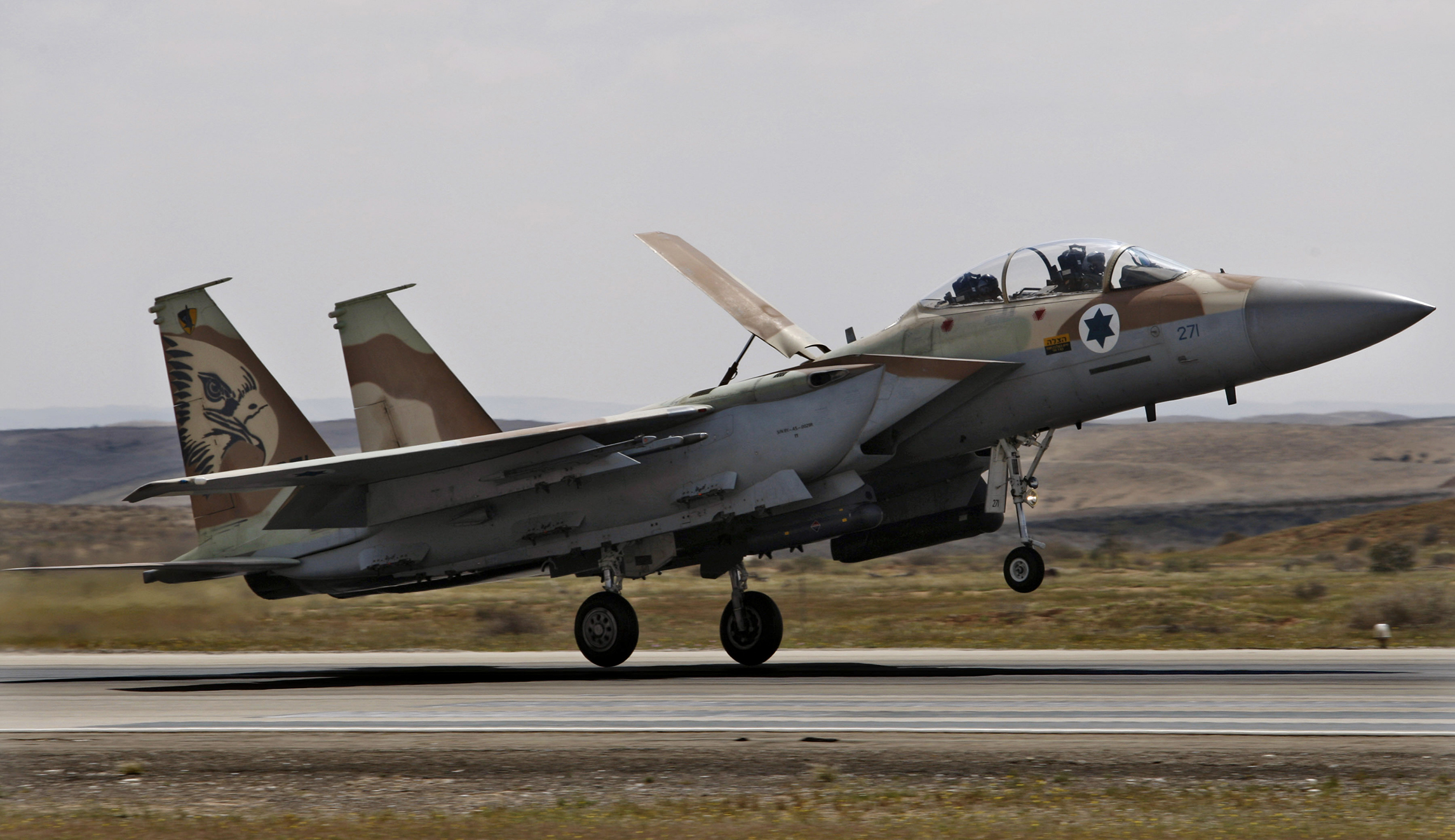
In contrast, the Israelis have both the ranged ballistic missiles (Jericho series) and the close-in delivery systems (F-35, F-15, and F-16 fighter jets) to annihilate a large portion of command and control targets across Iran. Iranian fighter forces cannot effectively contest the air with their Israeli counterparts and the Israelis could penetrate Iran’s air defense network with confidence. This is true even considering the presence of Russia’s S-300 air defense network on Iranian soil.
Third, the Israelis would have a vast force multiplier in the form of U.S. intelligence and military support. Assisting with target identification and the tracking of Iranian forces, the U.S. would act as a silent partner to the Israeli war effort. While the Iranians might attempt to shut down trade transits thru the Strait of Hormuz, that choice would risk the destruction of their fleet at the hands of the U.S. Navy. Facing this range of dominance, the Iranian hardliners would sue for peace so as to avoid crippling their power base, losing irreplaceable military assets and inviting an economic depression that might eventually lead to an internal revolution.
All this said, Iran would have one advantage in the field of indiscriminate asymmetric warfare. Activating its sleeper cells and covert operations officers around the world and employing terrorist groups such as the Lebanese Hezbollah, the Iranians would target Israeli diplomats and Jewish interests such as cultural centers. Yet the Israelis and the vast majority of foreign governments would be aware of this threat and would take robust action to counter it. The Iranians would also have to give close consideration as to whether foreign governments would retaliate against Iran following any successful Iranian attack on their soil.
Put simply, Israel would win a war with Iran. And it wouldn’t be close.
