
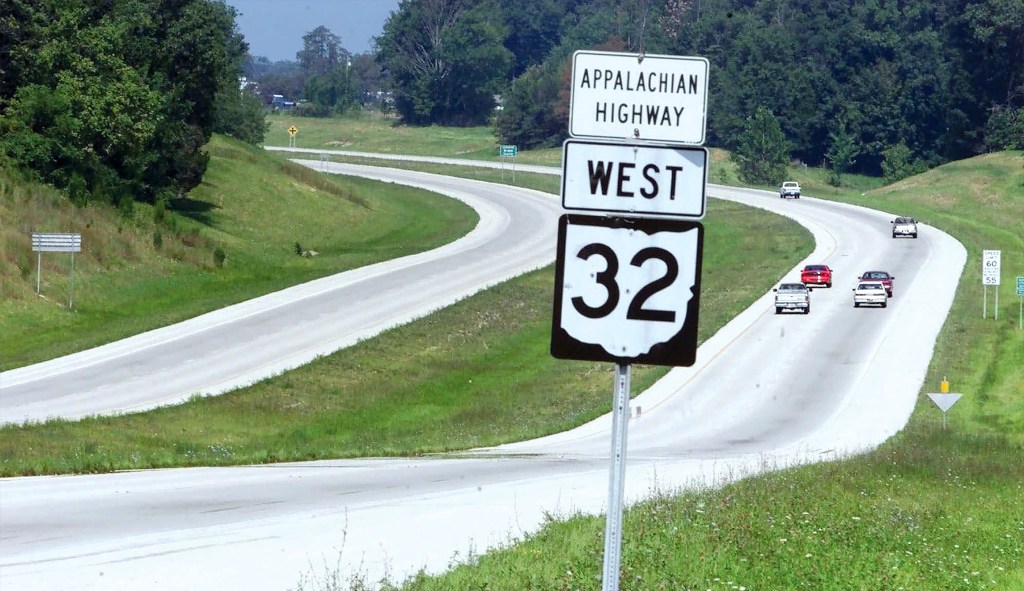
When the celebrated country musician Hank Williams died on New Year’s Day in 1953 in a car on his way to a performance in Canton, Ohio, he had been traveling from Charleston, West Virginia, on U.S. Route 19, one of a series of north-south arteries that had conveyed millions of struggling Southern white people from Appalachia to new lives in the industrial Upper Midwest. This “Hillbilly Highway,” as historian Max Fraser calls it, was a dense network of interstate roads that couriered the job-seekers northward. It played a pivotal role in facilitating one of the most consequential migrations in American history.

“Over the first three-quarters of the twentieth century,” Fraser writes, “somewhere around eight million poor white southerners — perhaps even more — left economically marginal parts of the southern countryside and traveled north in search of work.” The vast majority of these migrants, who hailed from the Mississippi Delta to the Appalachian foothills and everywhere in between, settled in the big industrial cities surrounding the Great Lakes. In Hillbilly Highway, he seeks to uncover the Southern white exodus to the same degree that the contemporaneous and much more carefully studied Black Great Migration and Dust Bowl departure have been described. In short, he seeks “to redeem the hillbilly highway from the dustbin of history.”
Real journalism.Trusted by millions.
Unlimited access to in-depth reporting, expert analysis, and the stories that shape our country.
Already a member? Log in