

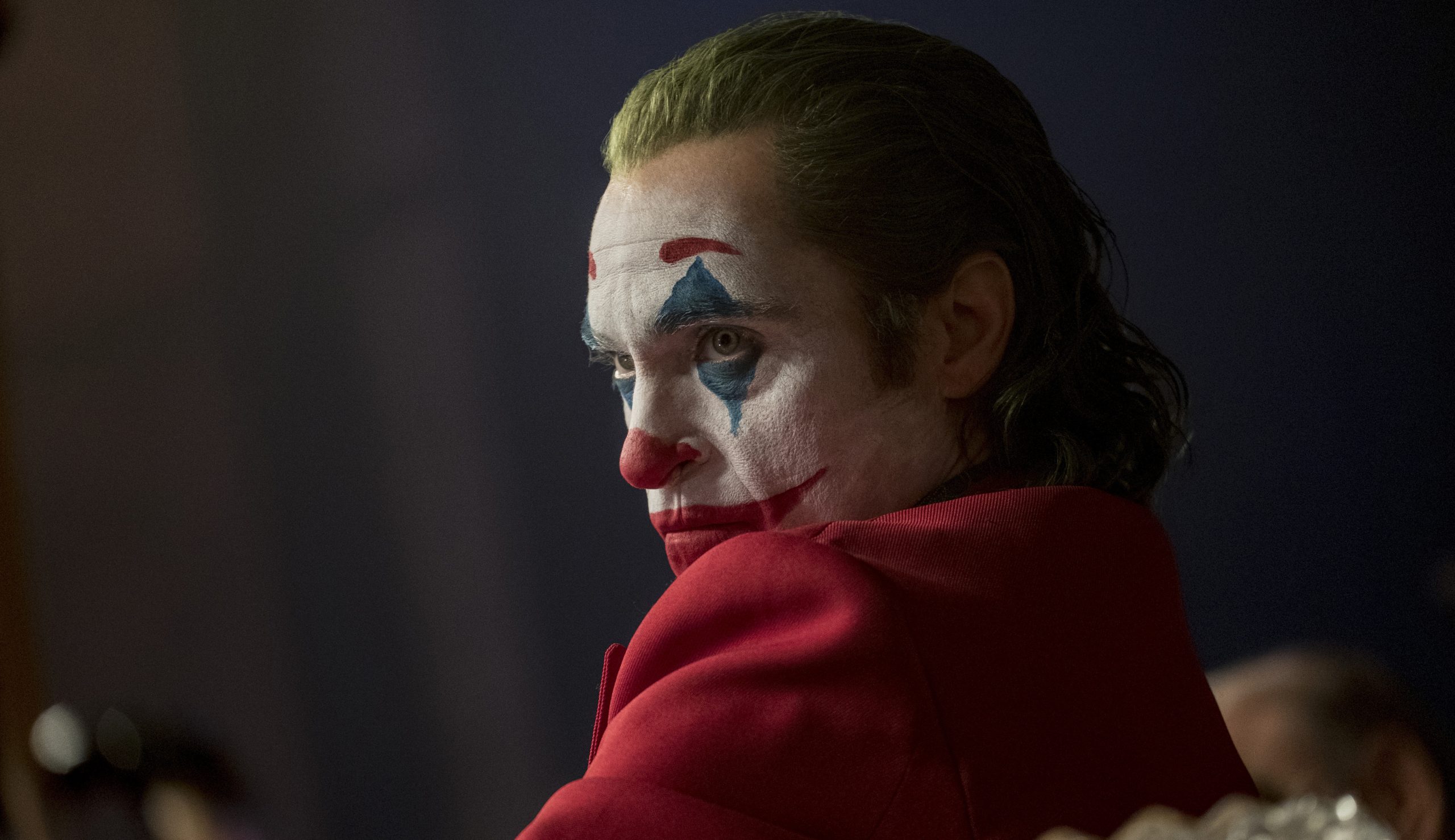
He’s not the villain we deserve and he probably isn’t the one we need right now, either. The Joker is making its big screen debut next month, and apparently the FBI is worried that violent reactions to the film may put some moviegoers in danger.
The U.S. Army recently came across information, provided by the FBI, involving potential threats from so-called incels (“involuntary celibate” men) and screenings of the new film.
Recommended Stories


The military has no knowledge of a specific plot or suspects but a separate memo, issued earlier this week by senior officials in the U.S. Army’s criminal investigation division, stated the Army had obtained “credible” intelligence from Texas law enforcement officials pertaining to “disturbing and very specific chatter” on the dark web “regarding the targeting of an unknown movie theater during the release,” according to Gizmodo, which broke the news.
Unfortunately, this is all déjà vu for the families of the victims of the shooting in Aurora, Colorado, where a deeply psychologically disturbed gunman killed 12 people and injured 70 during a showing of The Dark Knight Rises in 2012.
Even before the FBI issued its warning, five people connected to Aurora victims sent a letter to Warner Bros. asking it to donate to gun-control causes in light of a film they see as glorifying a killer.
The company responded with a long, corporate-speak statement about its past donations to “victims of violence” and its involvement in “bi-partisan” gun control legislation, which ended with a statement that, if true, is essential to understanding the upcoming film: “Warner Bros. believes that one of the functions of storytelling is to provoke difficult conversations around complex issues. Make no mistake: neither the fictional character Joker, nor the film, is an endorsement of real-world violence of any kind. It is not the intention of the film, the filmmakers or the studio to hold this character up as a hero.”
The film tells the origin story of the infamous Batman villain, and the role of Joker has done actors no favors in the past. Some moviegoers are worried that Joker might try to humanize the character who goes from failed comic to murderous fiend.
Thanks to our increasing fascination with villains — we have stories with villainous protagonists ranging from Hustlers to Disney’s Maleficent — the entertainment industry has ample opportunity to learn the line between understanding and a voyeuristic sort of glorification. Warner Bros., of course, would like us to think it’s pursued the former, and hopefully it’s right.
But at the end of the day, movies aren’t wholly responsible for turning people violent. The Dark Knight Rises was violent, but it didn’t glorify violence. The Joker may be the same way. The problem doesn’t lie at the feet of Warner Bros. or sweeping gun-control legislation. It begins with a society that fosters loner-loser culture in the first place and internet forums where violent people lacking the ability to connect socially feel free to spread their hatred.
The Joker is not the cause of the problem, but just like any material for those looking for provocation, it may be fuel to the flame.
