Many crises of the still-young 21st century are readily associated with symbols or pictures. If I were to show you a hanging chad, for example, it would bring to mind the presidential election crisis of Bush v. Gore in 2000. Surely, planes crashing into the World Trade Center in 2001 powerfully depict the story of Sept. 11 and the subsequent war on terror. Shrinking icebergs bespeak climate change; a pile of colorful pills, an opioid crisis; a police officer on George Floyd’s neck, a cry for racial justice.
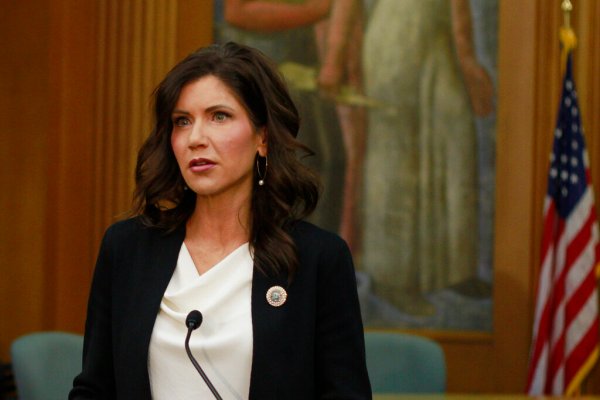
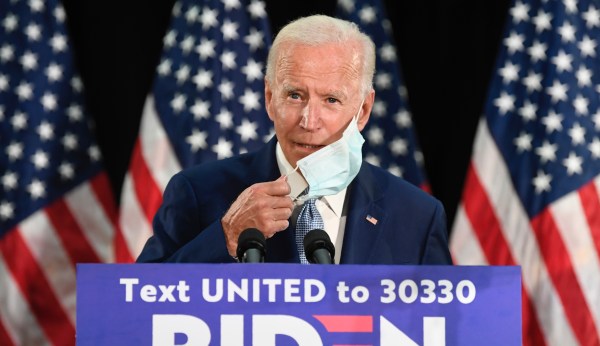
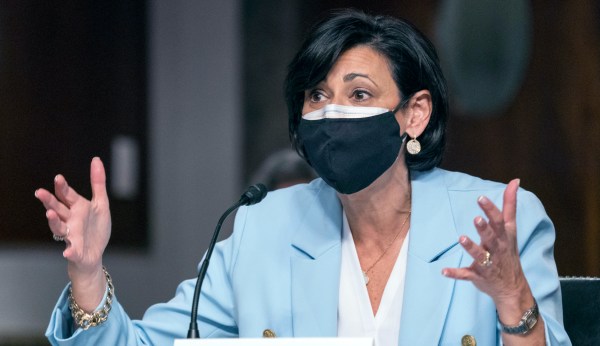
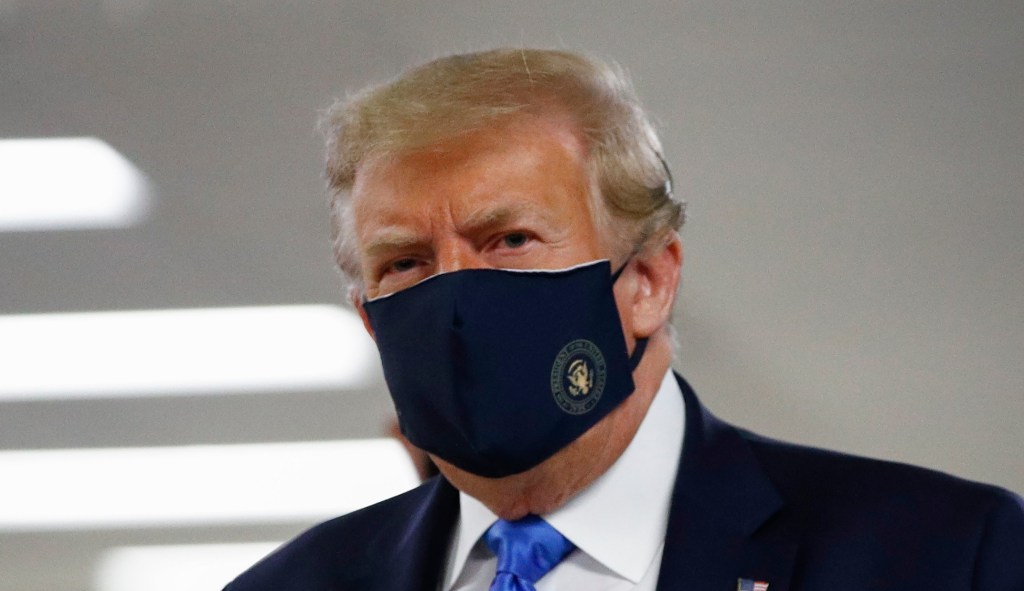
Oddly, then, the obvious symbol of the current crisis, COVID-19, is a mask, a simple blue mask previously worn only by medical professionals in a dentist’s or doctor’s office. Remarkably, this mask has become a symbol not just for the health crisis itself, but it has also triggered crises of trust, law, politics, and culture, just to name a few. How did a simple mask become so much more than a form of medical protection?