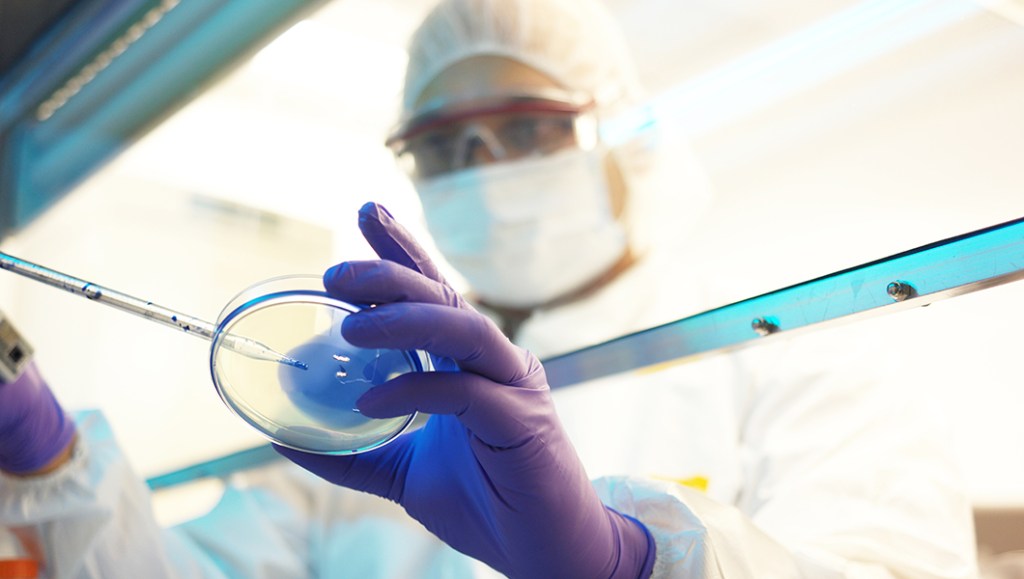
Foreign-born scientists such as myself have long been a key component of the U.S. research workforce. The work that scientists do greatly benefits the United States and the world. A significant share of the biomedical science talent in the pipeline at most American research universities are foreign-born. The ability of U.S. institutions to attract top talent from all over the world has been pivotal in maintaining the nation’s innovation, productivity, and dominance in science and technology.
But since the beginning of this year, there has been an accelerated push to disrupt this science talent pipeline that greatly benefits the U.S. The most recent attempt came in the form of an announcement that foreign students cannot remain in the country if all of their classes are online. Earlier, in February, people from Eritrea, Kyrgyzstan, Sudan, Myanmar, Nigeria, and Tanzania were added to the list of eight other countries banned from traveling to the U.S. on certain visas. And in June, the H1B visa ban was announced.